- DIRECT CONTACTS:
- +256 766 009 702
- +256 772 166 444
- info@menlyntours.com

Top Cultural Experiences in Uganda
When people think of Uganda, they often picture mountain gorillas, breathtaking national parks, and incredible wildlife. While these attractions are undoubtedly among the country’s biggest highlights, Uganda also offers a rich and diverse cultural heritage that is equally rewarding to explore. With more than 50 ethnic groups, Uganda is home to a fascinating mix of languages, traditions, music, dance, food, beliefs, crafts, and customs that have been passed down through generations.
For travelers looking to experience more than wildlife, exploring Uganda’s cultural attractions provides an opportunity to connect with local communities and understand the traditions that shape everyday life. The Uganda Tourism Board also highlights cultural heritage tours as an important part of Uganda’s tourism experiences, including traditional kingdoms, historical sites, culinary experiences, and community experiences.
From visiting historic royal sites in Kampala to experiencing traditional dances, tasting local food, and spending time with indigenous communities, there are many ways to make your Uganda safari more meaningful.
Visit the Kasubi Tombs
The Kasubi Tombs are one of Uganda’s most important cultural and historical sites. Located in Kampala, the site is the burial ground of several former kings, known as Kabakas, of the Buganda Kingdom. The main tomb structure, traditionally constructed using natural materials such as grass, reeds, and poles, demonstrates the remarkable architectural skills of the Baganda people.
A visit to the Kasubi Tombs allows travellers to learn more about the history, traditions, leadership, and spiritual practices of the Buganda Kingdom. Local guides provide valuable information about the royal family, the significance of the tombs, and the cultural traditions associated with the site. It is an excellent experience to include during a Kampala city tour.
Explore the Kabaka’s Palace
Another important cultural attraction in Kampala is the Kabaka’s Palace, commonly known as Lubiri. Located on Mengo Hill, the palace is the official residence of the Kabaka of Buganda and has played an important role in the history of the kingdom.
Visitors can explore the palace grounds and learn about the history of Buganda and its traditional leadership. The site also contains historical areas that tell stories about Uganda’s political past. Combining the Kabaka’s Palace with the Kasubi Tombs provides travellers with a deeper understanding of Buganda culture and its influence on Uganda’s history.
Experience the Batwa Culture
For travellers visiting southwestern Uganda for gorilla trekking, a Batwa cultural experience can add a unique and meaningful dimension to the safari. The Batwa are traditionally known as forest-dwelling communities who lived in and around the forests of the Albertine Rift.
A Batwa cultural experience provides an opportunity to learn about their traditional way of life, knowledge of the forest, hunting techniques, medicinal plants, music, dance, and storytelling. Visitors can interact with community members and gain insight into their relationship with the forest and the changes they have experienced over time.
Participating in a community-led Batwa experience can also contribute to local livelihoods and support cultural preservation. It is important for travellers to approach such experiences respectfully and listen to community members as they share their history and traditions.
Visit a Traditional Cultural Village
Cultural villages across Uganda offer visitors an opportunity to experience traditional lifestyles, crafts, food, music, and dance. These experiences vary depending on the region and community you visit, making each cultural encounter different.
Travellers may have the opportunity to participate in traditional cooking demonstrations, learn about local farming practices, watch traditional performances, or observe artisans making handmade crafts. These experiences provide a more personal connection with Uganda and allow visitors to interact directly with local communities.
Including a cultural village visit in your itinerary is especially rewarding for travellers who want to understand how Ugandan communities live beyond the country’s famous national parks.
Experience the Ewaffe Cultural Village
The Ewaffe Cultural Village is another interesting cultural experience for travellers looking to discover traditional Ugandan life. Located near Kampala, Ewaffe provides visitors with an opportunity to learn about local customs, food, farming, traditional medicine, storytelling, and community life.
One of the highlights is the opportunity to participate in activities rather than simply observing them. Visitors can learn about traditional cooking, experience local agricultural practices, interact with community members, and discover some of the traditions that have shaped Ugandan society.
For travellers with limited time in Uganda, cultural experiences around Kampala can be easily incorporated into a Uganda holiday.
Discover Uganda Through Traditional Food
Food is one of the best ways to experience a country’s culture, and Uganda is no exception. Ugandan cuisine reflects the country’s agricultural heritage and the diversity of its communities.
Travellers can try traditional dishes such as matoke, a staple made from steamed green bananas, often served with groundnut sauce, beef, chicken, or other accompaniments. Other popular foods include Rolex, a combination of chapati and eggs, posho, cassava, sweet potatoes, beans, and different types of local meat and fish.
Trying Ugandan food allows visitors to experience everyday life in a way that sightseeing alone cannot provide. A local food experience can be included in a Kampala city tour, cultural visit, or community-based tourism activity.
You can also explore the Uganda Tourism Board’s official tourism information for more information about Uganda’s cultural and culinary tourism experiences.
Enjoy Traditional Music and Dance
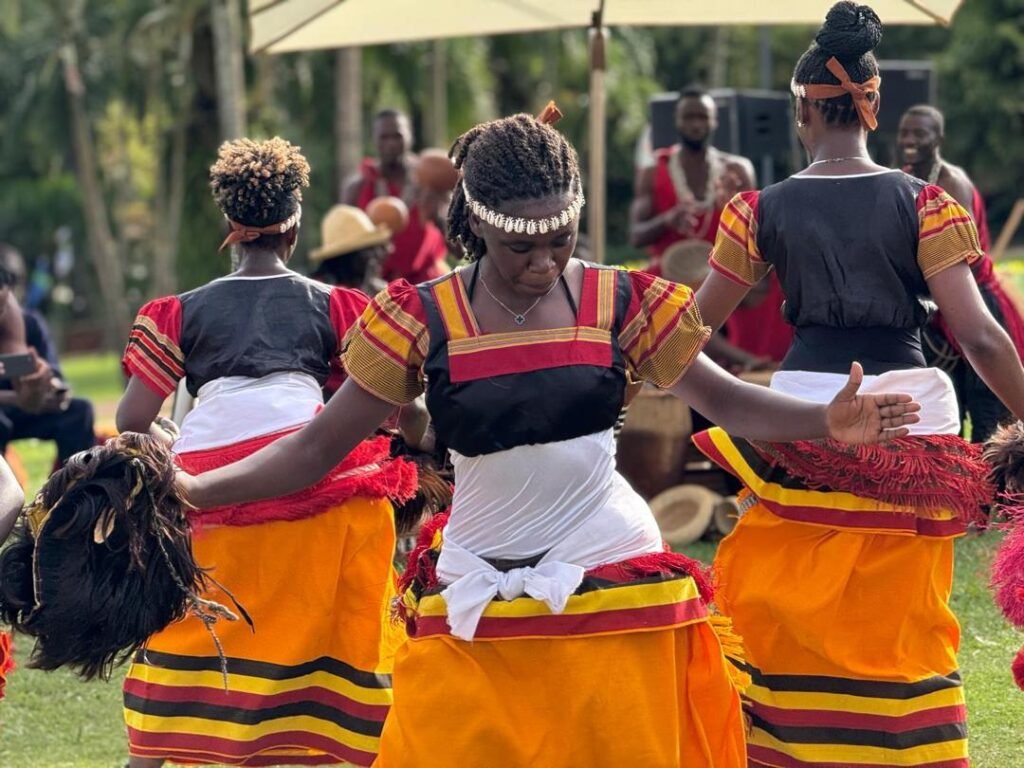
Music and dance are an important part of Ugandan culture. Different communities have their own traditional instruments, dances, songs, and performance styles, often used during celebrations, ceremonies, storytelling, and community gatherings.
Travellers may encounter energetic traditional performances featuring drums, local instruments, singing, and colourful cultural clothing. In some cultural experiences, visitors are also encouraged to participate in the dancing, creating a fun and memorable interaction with the local community.
Traditional performances are particularly enjoyable when combined with a cultural village visit or community experience because they help visitors understand the stories and traditions behind the music and dance.
Visit the Uganda Martyrs Sites
The Uganda Martyrs are an important part of Uganda’s religious and cultural history. The most famous site is the Uganda Martyrs Shrine at Namugongo, where visitors can learn about the history of the Christian converts who were killed between 1885 and 1887.
The shrine attracts visitors from Uganda and around the world, particularly during the annual Uganda Martyrs Day celebrations on 3 June. The site provides an opportunity to learn about Uganda’s religious history and the role the martyrs played in the development of Christianity in the country.
For visitors interested in history, religion, and culture, Namugongo can be an important addition to a Kampala cultural itinerary.
Discover the Kingdoms of Uganda
Uganda has a rich history of traditional kingdoms, each with its own cultural identity and traditions. Among the most well-known are the Buganda, Bunyoro, Tooro, and Busoga kingdoms.
Exploring these regions provides travellers with an opportunity to understand traditional systems of leadership, royal history, ceremonies, architecture, and customs that continue to influence Ugandan society. Visiting royal sites and interacting with local communities can make a safari much more than a wildlife adventure.
The Uganda Tourism Board recognizes traditional kingdoms and Uganda’s cultural diversity as part of the country’s cultural heritage tourism offering.
Experience the Tooro Culture in Fort Portal
Fort Portal and the surrounding region are known for their beautiful landscapes, tea plantations, crater lakes, forests, and rich cultural heritage. The area is closely associated with the Tooro Kingdom, making it an excellent destination for travellers interested in culture.
Visitors can learn about the history of the kingdom, traditional leadership, local customs, music, dance, and community life. Cultural experiences in the region can be combined with visits to nearby attractions such as Kibale Forest National Park, making it possible to experience both Uganda’s cultural and natural heritage in one journey.
Visit a Local Community During Your Safari
One of the simplest ways to experience Ugandan culture is by spending time with local communities during your safari. Many communities live close to Uganda’s national parks and tourism destinations, and community-based tourism provides opportunities for visitors to interact with local people.
Depending on the destination, you may visit local homes, farms, craft centres, schools, markets, or community projects. These interactions provide a better understanding of daily life and allow travellers to see how tourism contributes to local communities.
When participating in community experiences, responsible tourism is important. Travellers should respect local customs, ask permission before taking photographs, and support locally owned businesses and craftspeople whenever possible.
Explore Local Markets
Uganda’s local markets are vibrant places where travellers can experience everyday life. Markets provide opportunities to see fresh produce, clothing, handmade crafts, spices, fruits, vegetables, and other products used by local communities.
A market visit can also be a great opportunity to purchase souvenirs such as handmade baskets, traditional fabrics, jewellery, wooden carvings, and other locally produced crafts. Buying directly from local artisans and businesses can help support communities and preserve traditional skills.
Kampala has several markets where visitors can experience the energy of the city while discovering locally made products and Ugandan crafts.
Experience a Coffee Farm
Uganda is one of Africa’s important coffee-producing countries, and a coffee experience provides another way to connect with the country’s agricultural culture. Visitors can learn how coffee is grown, harvested, processed, roasted, and prepared.
A coffee farm visit can be particularly interesting for travellers who want to understand where their coffee comes from and meet the farmers involved in its production. Depending on the experience, visitors may also have the opportunity to participate in some of the farming or processing activities before tasting freshly prepared Ugandan coffee.
This type of experience is ideal for travellers who want to combine cultural learning with Uganda’s agricultural heritage.
Why Include Cultural Experiences in Your Uganda Safari?
Adding cultural experiences to a Uganda safari allows travelers to see a different side of the country. Wildlife encounters may introduce you to gorillas, chimpanzees, elephants, lions, giraffes, and other incredible animals, but cultural experiences introduce you to the people, traditions, history, and communities that make Uganda unique.
Cultural tourism also creates opportunities for visitors to support local communities. Choosing community-based experiences, purchasing locally made crafts, eating local food, and hiring local guides can contribute to local livelihoods while encouraging the preservation of cultural traditions.
A well-planned Uganda safari package can combine wildlife, nature, adventure, and culture. You can spend time tracking gorillas in Bwindi, searching for chimpanzees in Kibale, exploring the savannah, visiting cultural sites in Kampala, and interacting with local communities.
Plan Your Cultural Experience in Uganda
Uganda offers much more than breathtaking landscapes and unforgettable wildlife. Its cultural heritage is a major part of what makes the country such a fascinating destination. From the historic Kasubi Tombs and Kabaka’s Palace in Kampala to Batwa cultural experiences in southwestern Uganda, traditional food, music, dance, local markets, coffee farms, and community visits, there are countless ways to discover the heart of Uganda.
Whether you are planning your first Uganda safari or returning for another adventure, consider adding at least one cultural experience to your itinerary. It can transform your trip from simply visiting a destination into creating meaningful connections with the people and traditions that make Uganda special.
Ready to experience Uganda beyond wildlife? If you are looking for professionally planned Uganda safari packages, Menlyn Tours & Travel can help you create a personalised journey combining cultural experiences, wildlife, nature, adventure, and relaxation.
Plan your next Uganda adventure with Menlyn Tours & Travel and let us help you create an unforgettable experience.