- DIRECT CONTACTS:
- +256 766 009 702
- +256 772 166 444
- info@menlyntours.com

Uganda Safari for First Timers: A Practical Planning Guide
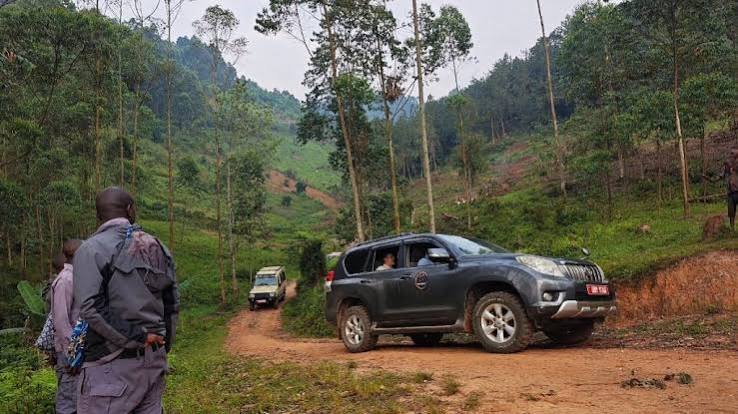
Uganda safari for first timers: A practical planning guide. Planning your first safari can feel exciting, but it can also be confusing. Uganda has many national parks, wildlife experiences, accommodation options and activities to choose from. Knowing where to start can make the planning process much easier.
Uganda is known for its mountain gorillas, chimpanzees, wildlife, beautiful landscapes and rich cultural experiences. From the forests of Bwindi to the open savannah of Murchison Falls, there is something for different types of travelers.
This Uganda safari for first timers guide explains what you need to know before booking your trip. It covers where to go, how long to stay, what to pack, when to travel and how to choose the right safari.
Why Choose Uganda for Your First Safari?
Uganda offers a mix of wildlife, forests, lakes, rivers and cultural experiences. You can see elephants, lions, giraffes, hippos, buffaloes and many other animals during a safari.
The country is also home to mountain gorillas and chimpanzees. This gives first-time safari travelers the chance to combine traditional wildlife viewing with forest experiences.
Another advantage is the variety of destinations. You can visit one national park for a short safari or combine several destinations for a longer Uganda safari.
How Many Days Do You Need for a Uganda Safari?
The length of your safari depends on your interests, budget and available travel time.
A 3-day safari can work well if you want a short wildlife experience. For example, you can visit Lake Mburo, Queen Elizabeth or another destination that is relatively easy to reach from Kampala or Entebbe.
A 4- to 5-day safari gives you more time for wildlife viewing and travel between destinations. This can allow you to combine two national parks.
If you have 7 days or more, you can explore several destinations and include activities such as gorilla trekking, wildlife drives, boat cruises and cultural experiences.
For first-time visitors, it is important not to fill every day with activities. Allow enough time for driving, resting and enjoying each destination.
Where Should First-Time Visitors Go?
Uganda has several safari destinations, and each offers a different experience.
Murchison Falls National Park
Murchison Falls is a popular choice for first-time visitors. The park offers game drives, boat cruises on the Nile and a visit to the famous Murchison Falls.
You may see elephants, giraffes, buffaloes, lions, hippos and other wildlife. A boat cruise can also provide close views of hippos, crocodiles and many bird species.
For more information about Uganda’s protected areas and wildlife, visit the [Uganda Wildlife Authority].
Queen Elizabeth National Park
Queen Elizabeth National Park is another good option for a first Uganda safari. The park is known for savannah landscapes, wildlife and the Kazinga Channel.
A typical safari can include a morning or afternoon game drive and a boat cruise along the Kazinga Channel. The area is home to elephants, buffaloes, lions, hippos and many bird species.
You can also explore nearby crater lakes and communities as part of a longer itinerary.
Lake Mburo National Park
Lake Mburo is a convenient option for travelers who have limited time.
The park is known for zebras, impalas, buffaloes, giraffes and other wildlife. Activities can include game drives, boat trips, nature walks and cycling.
Its location makes it suitable for a short safari from Kampala or Entebbe.
Bwindi Impenetrable National Park
If seeing mountain gorillas is one of your main goals, Bwindi should be part of your plans.
Gorilla trekking takes place in the forest and involves hiking through sometimes steep and uneven terrain. The experience can take several hours, depending on where the gorilla family is located.
You should plan your accommodation and transport carefully because Bwindi is far from Entebbe and Kampala.
You can learn more about [Uganda gorilla trekking] when planning a forest safari.
Kibale National Park
Kibale is well known for chimpanzee tracking and its rich forest environment.
Chimpanzee tracking is different from a traditional savannah game drive. You walk through the forest with trained guides while looking for chimpanzees and other primates.
Kibale can be combined with Queen Elizabeth National Park for a longer western Uganda safari.
When Is the Best Time for a Uganda Safari?
Uganda can be visited throughout the year. However, weather conditions can affect road travel, hiking and wildlife activities.
The drier months are often preferred for many safari activities because roads can be easier to travel on and some wildlife may be easier to spot around water sources.
The wetter months can bring greener landscapes and good conditions for photography. They can also be a good time for travelers who prefer fewer visitors.
If gorilla trekking is part of your trip, remember that Bwindi is a rainforest. Rain can occur even during traditionally drier periods.
Instead of choosing a travel date based only on weather, consider your activities, budget and preferred travel experience.
How Much Does a Uganda Safari Cost?
The cost of a Uganda safari depends on several factors. These include the number of days, accommodation level, transport, activities, park fees and the number of travelers.
Budget safaris normally use more affordable accommodation and focus on essential activities.
Mid-range safaris provide more comfort while keeping costs reasonable.
Luxury safaris use higher-end accommodation and may include more exclusive services.
Gorilla trekking can also have a major effect on the total cost because of the gorilla permit and the logistics involved in reaching Bwindi.
When comparing [Uganda safari packages], do not look only at the headline price. Check what is included and excluded before making your decision.
Should You Choose a Group or Private Safari?
First-time travelers often wonder whether they should join a group or book a private safari.
Group safaris can help reduce the cost because transport and other services are shared. They can also be a good way to meet other travelers.
Private safaris provide more flexibility. You can often choose your preferred travel dates, accommodation and activities. You may also have more control over the daily schedule.
The right choice depends on your budget, travel style and the experience you want.
If you want more information about the difference, read our guide to [Group Tours vs Private Tours in Uganda].
What Type of Accommodation Should You Choose?
Accommodation is available in different price ranges across Uganda’s safari destinations.
Budget lodges and camps are suitable for travelers who want to keep costs low. They provide basic facilities while allowing you to spend more of your budget on activities.
Mid-range lodges offer a balance between comfort and price. They are a popular choice for travelers who want a comfortable stay without choosing the most expensive options.
Luxury lodges provide higher levels of comfort, location and service.
For first-time visitors, the best accommodation is not always the most expensive. Consider the location, reviews, facilities and distance from the activities you want to do.
What Should You Pack for a Uganda Safari?
Packing for your first safari does not have to be complicated.
Light and comfortable clothing is useful during game drives and warm days. Neutral colors can also be practical for wildlife activities.
For gorilla trekking and forest walks, comfortable hiking shoes are important. A light rain jacket is also useful because weather conditions can change quickly.
Other useful items include sunscreen, insect repellent, a hat, sunglasses, a reusable water bottle, personal toiletries and a camera.
If you are planning gorilla trekking, read our guide on [What to Pack for a Uganda Safari] for more practical packing advice.
What Should You Expect on a Game Drive?
A game drive is different from visiting a zoo. Animals move freely through large natural areas, so sightings cannot be guaranteed.
Your guide will look for tracks, movement and other signs of wildlife. Early morning and late afternoon drives are often popular because many animals are more active during these periods.
Be patient and keep your eyes open. Sometimes the most memorable sighting can happen when you least expect it.
Always follow your guide’s instructions and maintain a safe distance from wildlife.
What Should You Expect During Gorilla Trekking?
Gorilla trekking is a physically active experience. You may walk for several hours through forest terrain before finding the gorilla family.
The difficulty can vary from one trek to another. Some groups may be closer to the starting point, while others may require a longer hike.
Once you find the gorillas, your guide will explain the rules for observing them.
Because the experience involves hiking, it is helpful to prepare by doing regular walks before your trip.
How Do You Travel Between Safari Destinations?
Road travel is the main way to move between Uganda’s safari destinations.
Driving times can be long, especially when visiting western Uganda. A journey between Entebbe and Bwindi, for example, takes several hours depending on the route, traffic and road conditions.
This is why a good safari itinerary should balance activities with travel time.
Do not choose an itinerary simply because it includes many destinations. A well-planned safari should give you enough time to enjoy each place.
Should You Hire a Tour Operator?
First-time visitors may find safari planning easier with the help of a local tour operator.
A tour operator can assist with transport, accommodation, activities, park arrangements and itinerary planning. They can also help you understand the practical details of your trip.
If you are planning activities such as gorilla trekking, working with a licensed local operator can also make the booking process easier.
Before booking, check the company’s contact details, reviews, safari inclusions and cancellation terms.
Common Mistakes First-Time Safari Travelers Make
One common mistake is trying to visit too many destinations in a short period.
Long driving times can take up a large part of your safari. A shorter itinerary with enough time in each destination can sometimes provide a better experience.
Another mistake is choosing a safari based only on price. A very low price may mean fewer inclusions, basic accommodation or additional costs later.
It is also important to understand what your package includes. Ask about accommodation, meals, transport, park fees, activities and airport transfers before confirming your booking.
Finally, do not forget travel insurance and important travel documents.
Simple Tips for Planning Your First Uganda Safari
Start by deciding what you most want to see and do. Your priorities could be wildlife, gorillas, chimpanzees, scenery, culture or a combination of these experiences.
Next, decide how many days you have available. This will help you choose destinations that fit your schedule.
Set a realistic budget and compare packages carefully. Check the accommodation category and activities included in the price.
Choose comfortable travel dates and allow enough time for road travel.
Most importantly, leave some room to enjoy the journey. A Uganda safari is not only about ticking destinations off a list. It is also about the landscapes, people, wildlife and experiences along the way.
Plan Your First Uganda Safari With Menlyn Tours & Travel
Planning your first safari can be much easier when you have a clear itinerary and reliable local support.
At Menlyn Tours & Travel, we help travelers plan Uganda safari packages based on their travel dates, interests and budget. Whether you want a short wildlife safari, a gorilla trekking experience or a longer Uganda adventure, we can help you plan your trip.
Explore our Uganda safari packages or get in touch with us to start planning your first Uganda safari.