- DIRECT CONTACTS:
- +256 766 009 702
- +256 772 166 444
- info@menlyntours.com

Ugandan Culture: What Travelers Should Know
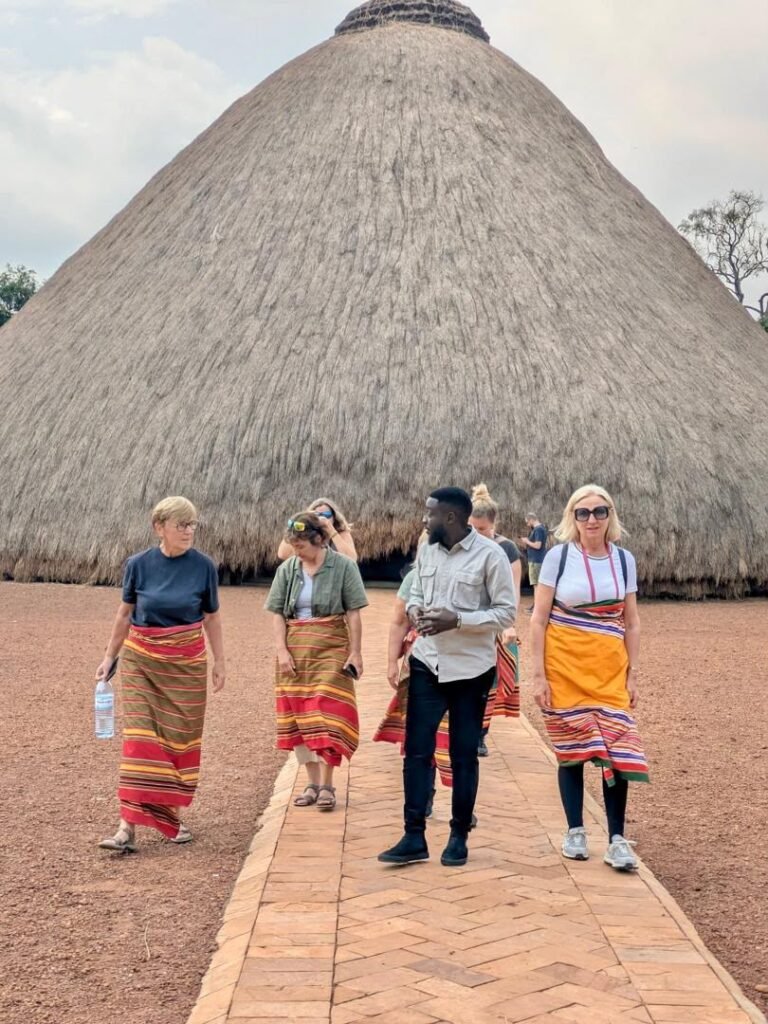
Ugandan Culture: What Travelers Should Know
Uganda is a culturally diverse country with communities that have their own languages, traditions, foods, music, dances and customs.
For visitors, learning a few things about Ugandan culture before arriving can make interactions easier and help you approach cultural experiences with respect.
Uganda Has Many Cultural Communities
Uganda is home to many different ethnic communities, each with its own cultural identity.
This diversity is one reason travelers can have very different cultural experiences depending on the region they visit.
A cultural experience in western Uganda may be quite different from one in northern or eastern Uganda.
Rather than expecting one definition of Ugandan culture, approach the country as a place with many cultural traditions.
Greetings Are Important
Greetings are an important part of social interaction in Uganda.
When meeting people, take time to greet them rather than immediately asking for directions, taking photographs or starting a conversation.
Your guide can help you understand appropriate greetings in the local language.
Even learning a simple greeting can be a friendly way to show interest in the community you are visiting.
Dress Respectfully
Uganda is generally welcoming to visitors, but appropriate clothing is important when visiting communities, religious places and cultural sites.
Comfortable clothing is useful during a safari, while modest clothing is often more appropriate when visiting cultural or religious sites.
If you are unsure about what to wear, ask your local guide.
Ask Before Taking Photographs
One of the most important cultural habits for travelers is asking before taking someone’s photograph.
Do not assume that a person wants to be photographed simply because they are in a tourist area or participating in a cultural activity.
Ask politely and respect the answer if they decline.
This is especially important when photographing children, ceremonies or private activities.
Food Is Part of Hospitality
Food and sharing meals are important parts of social life.
During a cultural experience, you may be invited to try local food or learn how certain dishes are prepared.
Be respectful even if you do not want to eat something. You can politely explain that you would prefer another option.
If you have allergies or dietary restrictions, tell your tour operator and accommodation in advance.
Music and Dance Are Important
Traditional music and dance are part of Uganda’s cultural identity.
Different communities have their own instruments and performance traditions. Uganda’s cultural heritage includes traditional instruments, songs and dances that have been passed down through generations.
UNESCO also recognizes several Ugandan intangible cultural heritage traditions, including Bigwala music and dance, Empaako and barkcloth making.
Learn Before Judging
Some cultural practices may be unfamiliar to visitors.
Instead of immediately judging something because it is different from what you know, ask your guide to explain its meaning.
Cultural tourism works best when visitors are curious and local people are given the opportunity to explain their traditions themselves.
Support Local People
Cultural tourism can create opportunities for local guides, performers, craft makers, farmers and community businesses.
When you buy a locally made product or take part in an organized community experience, consider whether the activity provides a fair benefit to the people involved.
Your tour operator can help you choose experiences that are properly organized.
Be Careful With Cultural Sites
Historical and cultural sites should be treated with the same respect as wildlife areas.
Do not climb on structures, remove objects or touch fragile items unless you are told that it is allowed.
Some sites have spiritual or religious importance to local communities.
Travel With Respect
You do not need to know every Ugandan tradition before arriving.
A respectful attitude, willingness to listen and interest in learning can make a big difference.
Culture is one of the most rewarding parts of travel because it allows you to understand a destination through the people who live there.
Do you want to experience Uganda’s diverse culture? Menlyn Tours and Travel can help you plan an itinerary that matches your interests.