- DIRECT CONTACTS:
- +256 766 009 702
- +256 772 166 444
- info@menlyntours.com

Meeting Local Communities on a Uganda Safari
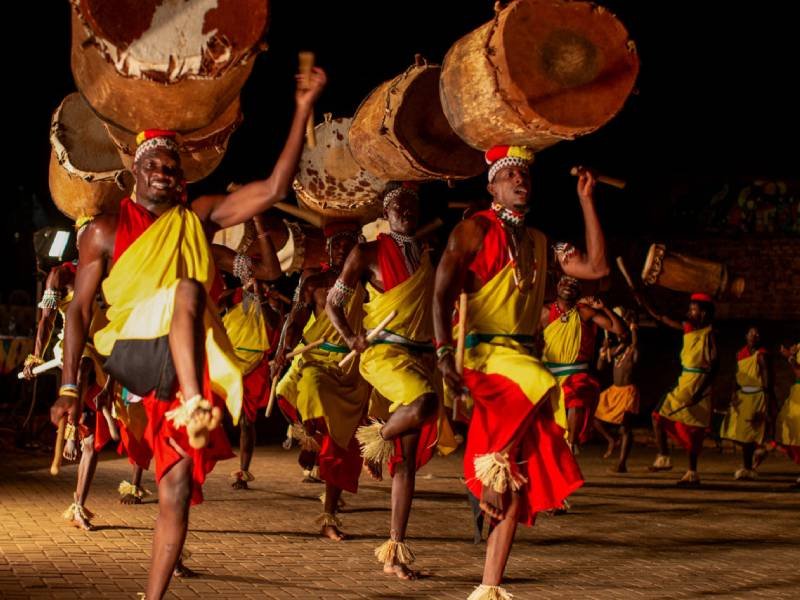
Meeting Local Communities on a Uganda Safari
A Uganda safari is often associated with wildlife, game drives and national parks, but the people you meet along the way can become an important part of the journey.
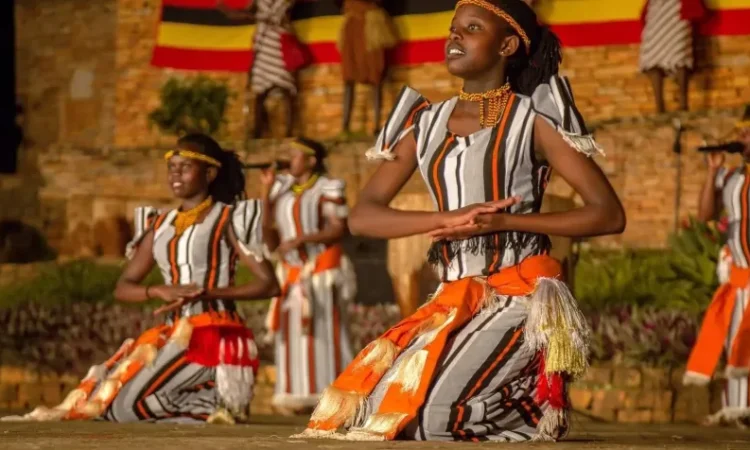
Community experiences allow travelers to learn about local life, traditions, crafts, food and daily activities while supporting tourism opportunities outside the national parks.
What Is a Community Experience?
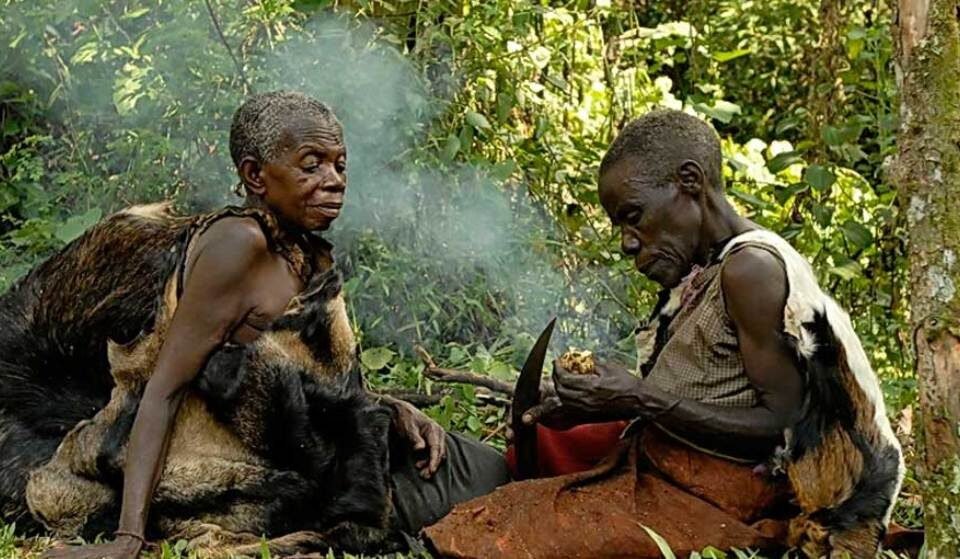
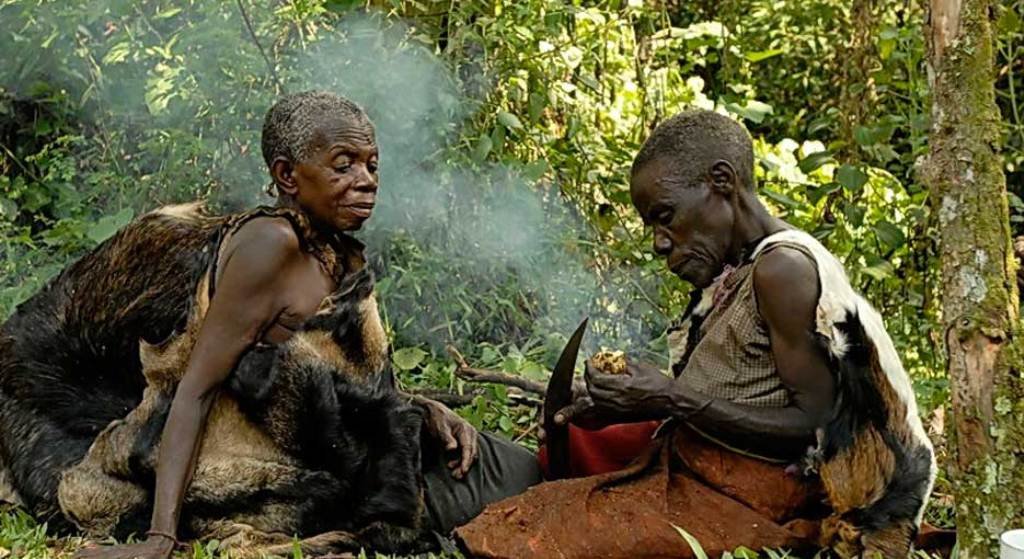
A community experience is an organized opportunity for travelers to meet and interact with local people.
Depending on the destination, it may involve visiting a community project, learning a traditional skill, preparing food, seeing local crafts or taking part in a cultural activity.
The exact experience varies from one community to another.
Why Include a Community Visit?
Community visits can help travelers understand the places they are visiting.
A wildlife safari may show you Uganda’s landscapes and animals, but a community experience can help you learn about the people who live around those landscapes.
It also creates an opportunity to ask questions and hear stories directly from local people.
Learn About Local Crafts
Crafts can provide a practical introduction to local culture.
Depending on the community, you may see basket weaving, pottery, carving, textiles or other handmade products.
Instead of simply buying a souvenir, ask how it was made and what materials are used.
This can turn a shopping stop into a genuine learning experience.
Try Local Food
Food is another way to connect with a community.
A local experience may include preparing or tasting traditional dishes. You can learn about ingredients, cooking methods and how food is shared within families.
If you have dietary restrictions, make sure your guide knows before the activity.
Learn About Daily Life
Community visits do not have to focus only on traditional activities.
You can also learn about everyday life, farming, education, local businesses and other activities that are important to the community.
These conversations can help travelers understand that communities are living, changing places rather than simply tourist attractions.
Respect Privacy
Not every part of community life is a tourism activity.
Do not enter private homes, take photographs or join activities unless you have been invited or the experience has been organized for visitors.
Your guide can explain what is appropriate.
Ask Before Taking Photographs
Always ask before photographing people.
This is particularly important when visiting homes, schools, ceremonies or private community activities.
If someone does not want to be photographed, respect their decision.
Support Local Businesses
Where appropriate, buying locally made products or using community-run services can help tourism benefits reach local people.
However, travelers should not assume that every purchase automatically benefits a community.
Ask your tour operator how the activity is organized and who provides the service.
Community Experiences and Wildlife Safaris
Community activities can fit naturally into a Uganda safari.
For example, you may visit a community before or after a game drive, spend time with local people near a national park or add a cultural activity to a gorilla trekking itinerary.
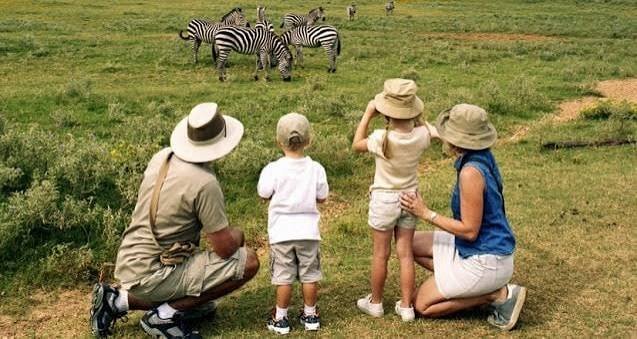
This gives you a more balanced trip that includes both wildlife and people.
Choose Meaningful Experiences
A good community experience should allow local people to participate on their own terms and should be respectful of their culture and privacy.
The goal should not be to treat people as an attraction.
Instead, the experience should create an opportunity for learning, conversation and responsible tourism.
Make People Part of Your Uganda Journey
Uganda’s landscapes and wildlife are major reasons to visit, but its people and cultures are also part of what makes the country interesting.
Adding a community experience to your safari can give you memories that go beyond photographs of animals and landscapes.
Menlyn Tours & Travel can help you include responsible community and cultural experiences in your Uganda safari itinerary.