- DIRECT CONTACTS:
- +256 766 009 702
- +256 772 166 444
- info@menlyntours.com

Traditional Ugandan Music and Dance Experiences
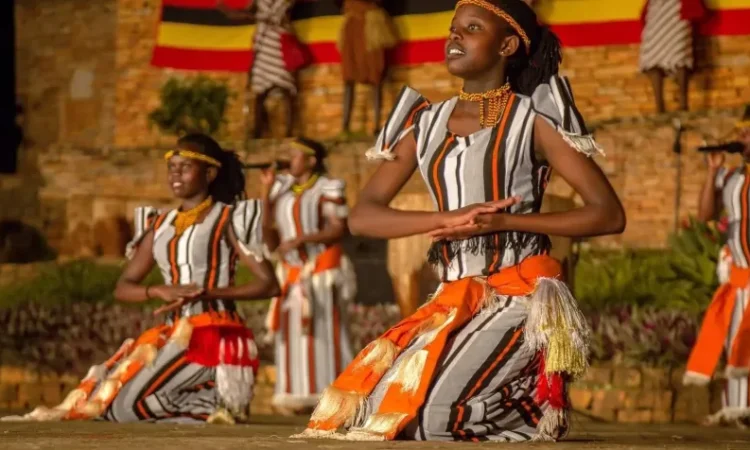
Traditional Ugandan Music and Dance Experiences
Music and dance are an important part of Uganda’s cultural identity. Different communities have developed their own instruments, rhythms, songs and dances, creating a diverse cultural landscape across the country.
For travelers, attending a traditional music and dance experience can be an enjoyable way to learn about Uganda beyond wildlife and landscapes.
Why Is Music Important in Ugandan Culture?
Traditional music can be connected to celebrations, ceremonies, storytelling, community gatherings and social life.
The instruments and styles vary between communities.
The Uganda Museum currently showcases more than 200 traditional musical instruments from more than 30 ethnic groups, including instruments associated with communities such as the Baganda, Acholi and Basoga.
Traditional Drums
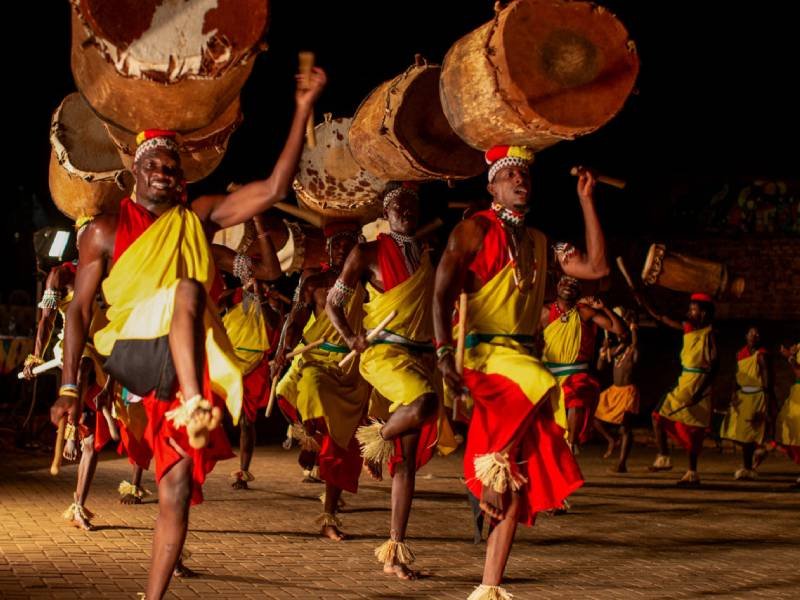
Drums are among the most recognizable instruments in many Ugandan cultural performances.
They can provide rhythm for dancing and are sometimes connected to ceremonies and traditional institutions.
Different communities use different types of drums and performance styles.
During a cultural performance, ask your guide or performer to explain the role of the instruments.
The Adungu
The adungu is a traditional bow-shaped harp associated with the Acholi people of northern Uganda.
It is one of the instruments visitors may encounter when learning about northern Ugandan musical traditions.
The instrument is also part of the broader collection of traditional musical heritage preserved in Uganda.
The Endongo
The endongo is a traditional instrument associated with the Baganda people.
It is a type of lyre and is part of Buganda’s musical heritage.
Learning about instruments such as the endongo shows how music can be connected to particular communities and histories.
Bigwala Music and Dance
Uganda’s cultural heritage also includes traditions recognized by UNESCO.
Bigwala is a gourd trumpet music and dance tradition of the Busoga Kingdom. UNESCO placed it on the List of Intangible Cultural Heritage in Need of Urgent Safeguarding in 2012.
This demonstrates that Ugandan traditional music is not simply entertainment but part of a wider heritage that communities and institutions are working to preserve.
Watch a Cultural Performance
Travelers can experience traditional music and dance at cultural centres and during organized cultural events.
In Kampala, cultural performances can be a convenient introduction before traveling to other parts of the country.
The experience may include music, dance, storytelling and explanations about different communities.
Join the Dance
Some cultural performances invite visitors to participate.
If you are invited, do not worry about getting every movement right.
The purpose is to enjoy the experience and learn something new.
Always follow the instructions of the performers and respect the cultural setting.
Music and Dance During a Safari
Traditional performances can also be included in a longer Uganda itinerary.
Depending on your destination, you may encounter local music and dance during community experiences, cultural visits or special events.
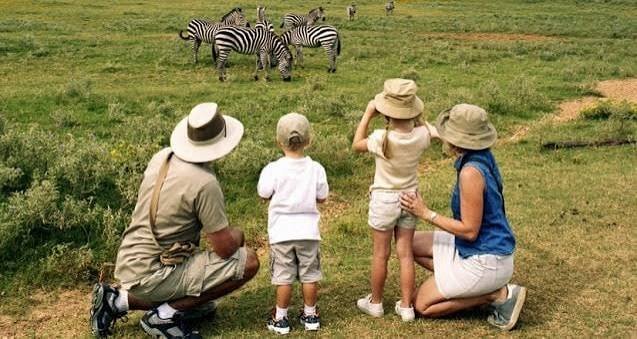
This can complement wildlife activities such as game drives and boat cruises.
Respect the Performance
When attending a cultural performance, remember that you are experiencing someone’s heritage.
Avoid interrupting performers, making inappropriate jokes or treating the culture as a costume show.
Listen to explanations and ask questions respectfully.
Discover Uganda Through Music
Traditional music and dance provide a lively introduction to Uganda’s cultural diversity.
From drums and stringed instruments to community dances and storytelling, each tradition offers something different.
If you want to add cultural performances to your Uganda trip, Menlyn Tours & Travel can help you combine them with wildlife safaris, city tours and other experiences.