- DIRECT CONTACTS:
- +256 766 009 702
- +256 772 166 444
- info@menlyntours.com

How to Plan for the Perfect Uganda Safari: A Complete Guide
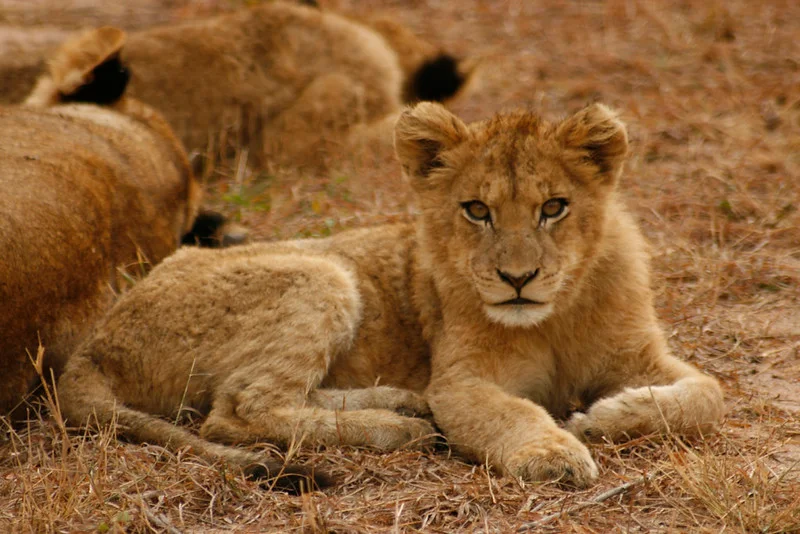
How to Plan for the Perfect Uganda Safari: A Complete Guide.Planning a Uganda safari is an exciting way to experience some of Africa’s most beautiful landscapes and wildlife. From mountain gorillas and chimpanzees to lions, elephants, and hippos, Uganda offers many unforgettable experiences.
However, good planning is important. Your choice of parks, activities, accommodation, travel dates, and budget can all affect your safari experience.
This guide explains how to plan for the perfect Uganda safari step by step.
1. Choose the Right Time to Visit Uganda
Uganda can be visited throughout the year. However, some months are more popular for safaris because they usually have drier conditions.
The dry seasons are generally from June to August and December to February. During these months, roads in some parks are easier to use, and wildlife may be easier to spot around water sources.
The wetter months can also be rewarding. The landscapes become greener, and there are fewer tourists in some destinations.
If you are mainly interested in gorilla trekking, chimpanzee trekking, or wildlife safaris, consider the activities you want to do before choosing your travel dates.
2. Decide What You Want to See
Uganda has many safari destinations, so it helps to decide what you want to experience first.
For mountain gorillas, Bwindi Impenetrable National Park and Mgahinga Gorilla National Park are the main destinations.
For chimpanzee trekking, Kibale National Park is one of the country’s key destinations.
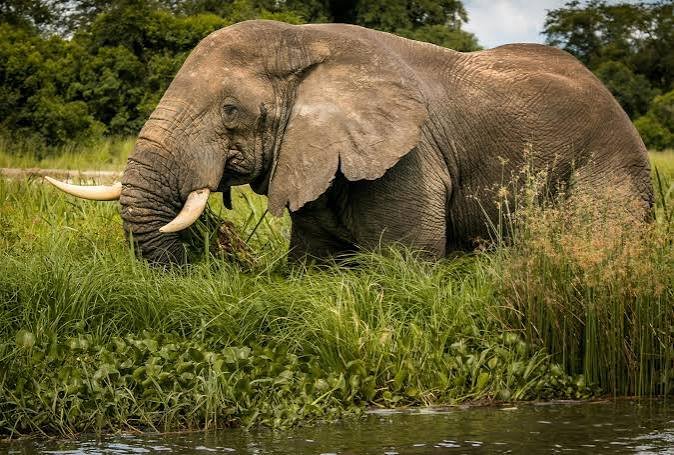
If you want a traditional wildlife safari, you can consider destinations such as Murchison Falls National Park, Queen Elizabeth National Park, and Lake Mburo National Park.
Think about the animals and activities that interest you most. This will help you create a safari that matches your expectations.
3. Choose the Right Safari Destinations
You do not need to visit every national park in Uganda during one trip.
Instead, choose destinations that work well together.
For example, a short safari could focus on Queen Elizabeth National Park and Bwindi. A longer trip could combine Kibale, Queen Elizabeth, Bwindi, and Lake Mburo.
When planning your route, consider the distance between destinations. Uganda is a large country, and road journeys can take several hours.
A well-planned route gives you more time to enjoy the parks and less time sitting in the vehicle.
4. Decide How Many Days You Need
The length of your safari depends on what you want to see.
A 3-day Uganda safari can work well for travelers with limited time. It can focus on one main destination and a few activities.
A 5- to 7-day safari gives you more time to combine wildlife viewing with other experiences.
If you want to include gorilla trekking, chimpanzee trekking, and several wildlife parks, consider a longer itinerary.
Do not try to fit too many destinations into a short trip. A relaxed itinerary is often more enjoyable than rushing from one park to another.
5. Plan Your Gorilla Trekking Early
If gorilla trekking is part of your trip, plan this activity before arranging the rest of your itinerary.
Gorilla trekking permits are limited. Your preferred trekking date may not always be available, especially during busy travel periods.
Once your trekking date is confirmed, you can build the rest of your safari around it.
Gorilla trekking also requires some preparation. The activity can involve walking through steep and sometimes muddy forest terrain, so comfortable hiking shoes and suitable clothing are important.
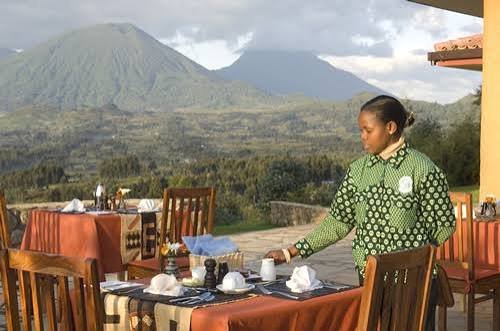
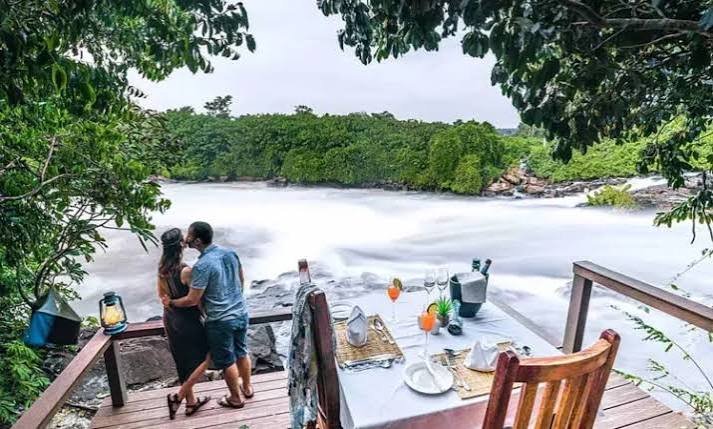
6. Choose Your Accommodation
Uganda has accommodation options for different budgets.
You can choose from budget camps and lodges, mid-range properties, and luxury lodges.
Your choice should also depend on location. Staying closer to the park or trekking starting point can make your safari more comfortable and reduce unnecessary driving.
When comparing accommodation, look at the location, meal options, facilities, and what is included in the rate.
A good safari does not always require the most expensive lodge. The right accommodation is one that fits your budget and travel plans.
7. Set a Realistic Safari Budget
Your safari budget should include more than accommodation.
Consider transport, park entrance fees, activities, accommodation, meals, permits, and any additional experiences you want to include.
Gorilla and chimpanzee trekking permits can have a significant effect on the overall cost of your trip.
Your travel style also matters. A private safari, for example, may cost more than joining a shared trip.
Before booking, ask for a clear quotation so you understand what is included and what you will need to pay separately.
8. Choose the Right Safari Transport
Most Uganda safaris are done by road.
A safari vehicle gives you the flexibility to travel between destinations and enjoy game drives along the way.
The type of vehicle you choose can also affect your comfort, especially on long journeys and rough park roads.
When booking your safari, ask about the vehicle being provided and whether it is suitable for the number of travelers in your group.
Your driver-guide is also an important part of the experience. A knowledgeable guide can help you understand Uganda’s wildlife, landscapes, and local communities.
9. Plan Your Activities Carefully
Uganda offers more than game drives.
Depending on your itinerary, you can enjoy gorilla trekking, chimpanzee trekking, boat cruises, nature walks, cultural experiences, bird watching, and other outdoor activities.
Try to balance your schedule.
For example, after a long drive or challenging trek, you may want some time to relax instead of immediately starting another activity.
Planning realistic activity times makes the safari less tiring and more enjoyable.
10. Pack for the Uganda Safari
Your packing list should match the activities and destinations on your itinerary.
Comfortable walking shoes are important for trekking and nature walks. Lightweight clothing can help during warm days, while a light jacket can be useful during cooler mornings and evenings.
A rain jacket is also useful because weather conditions can change quickly.
Other useful items include sunscreen, insect repellent, a hat, sunglasses, a reusable water bottle, and binoculars.
For gorilla or chimpanzee trekking, choose clothing that is comfortable and suitable for walking through forest environments.
11. Leave Some Space in Your Itinerary
It can be tempting to fill every day with activities.
However, leaving some free time can make your safari more enjoyable.
Travel between parks can take longer than expected because of road conditions, traffic, weather, or stops along the way.
A little flexibility allows you to enjoy the journey instead of worrying about reaching the next destination at a specific time.
You can also use free time to enjoy your lodge, take photographs, or experience the local surroundings.
12. Work With a Reliable Local Tour Operator
Planning a safari on your own can take time. A local tour operator can help organize transport, accommodation, activities, permits, and the overall itinerary.
A local operator can also help you choose destinations based on your available time and budget.
When choosing a company, check its website, reviews, safari packages, and contact information. Ask questions before making a booking and make sure you understand the booking and cancellation terms.
For travelers looking for Uganda safari packages, working with a local operator can make the planning process easier.
13. Plan Your Arrival and Departure
Do not forget to include your arrival and departure days when planning your safari.
Most international travelers arrive through Entebbe International Airport.
Depending on your itinerary, you may spend your first night in Entebbe or Kampala before starting the safari.
Your tour operator can arrange airport transfers and help you plan the best starting point for your trip.
Planning these details in advance can make your first and last days less stressful.
14. Respect Wildlife and Local Communities
A responsible safari helps protect Uganda’s wildlife and benefits local communities.
Follow the instructions of your guide and park authorities during wildlife activities. Keep a safe distance from animals and avoid disturbing them.
During gorilla and chimpanzee trekking, follow the rules provided by the guides and park authorities.
Respect local communities and ask for permission before taking photographs of people.
Responsible travel helps protect the places and experiences that make Uganda special.
Frequently Asked Questions About Planning a Uganda Safari
How many days do I need for a Uganda safari?
It depends on what you want to see. Three days can work for a short safari, while 5 to 10 days gives you more time to combine several destinations and activities.
What is the best time for a Uganda safari?
Uganda can be visited throughout the year. The drier months are popular for wildlife and trekking, while the wetter months offer greener scenery and can have fewer visitors.
How much does a Uganda safari cost?
The cost depends on the number of days, accommodation level, transport, activities, permits, and number of travelers. Requesting a detailed quotation is the best way to understand the total cost.
Is Uganda good for a first safari?
Yes. Uganda offers wildlife viewing, primate experiences, scenic landscapes, and cultural activities, making it possible to create different types of safari itineraries.
Can I combine gorilla trekking with a wildlife safari?
Yes. Gorilla trekking in Bwindi or Mgahinga can be combined with wildlife destinations such as Queen Elizabeth National Park, Ishasha, or Lake Mburo.
Plan Your Uganda Safari With Menlyn Tours & Travel
A perfect Uganda safari starts with choosing the right destinations, activities, travel dates, and budget. With good planning, you can enjoy Uganda’s wildlife and landscapes without trying to fit too much into one trip.
At Menlyn Tours & Travel, we help travelers plan Uganda safaris based on their time, interests, and budget. Whether you are interested in gorilla trekking, chimpanzee tracking, wildlife safaris, or a combination of experiences, we can help you create a suitable itinerary.
Get in touch with us today and start planning your Uganda safari.