- DIRECT CONTACTS:
- +256 766 009 702
- +256 772 166 444
- info@menlyntours.com

Chimpanzee Trekking vs Gorilla Trekking in Uganda
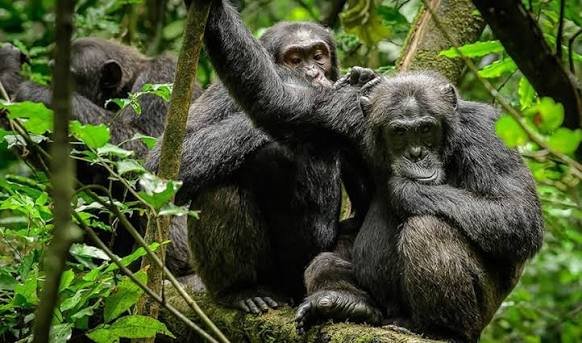
Chimpanzee Trekking vs Gorilla Trekking in Uganda.Uganda is one of the best destinations in Africa for seeing great apes in their natural environment. Visitors can enjoy chimpanzee trekking in forests such as Kibale National Park, while gorilla trekking takes place in Bwindi Impenetrable National Park and Mgahinga Gorilla National Park.
Although both activities involve walking through a forest to find primates, the experiences are different. Chimpanzees are active, noisy and often move through the trees. Mountain gorillas usually move more slowly and spend much of their time feeding, resting and staying together as a family.
If you are planning a Uganda safari, understanding the difference between chimpanzee trekking and gorilla trekking can help you choose the right experience for your trip.
What Is Chimpanzee Trekking?
Chimpanzee trekking is a guided forest walk to find wild chimpanzee communities. In Uganda, the most popular place for this activity is Kibale National Park, which is known for its large population of chimpanzees and many other primate species.
Visitors walk through the forest with trained guides and trackers. The chimpanzees may be on the ground or high in the trees. They can move quickly, call loudly and travel from one area to another.
Chimpanzee trekking is often an exciting and active experience. You may hear chimpanzees before you see them. Their calls, movements and social behaviour make every trek different.
What Is Gorilla Trekking?
Gorilla trekking is a guided walk through the forest to find a habituated mountain gorilla family. In Uganda, gorilla trekking is available in Bwindi Impenetrable National Park and Mgahinga Gorilla National Park.
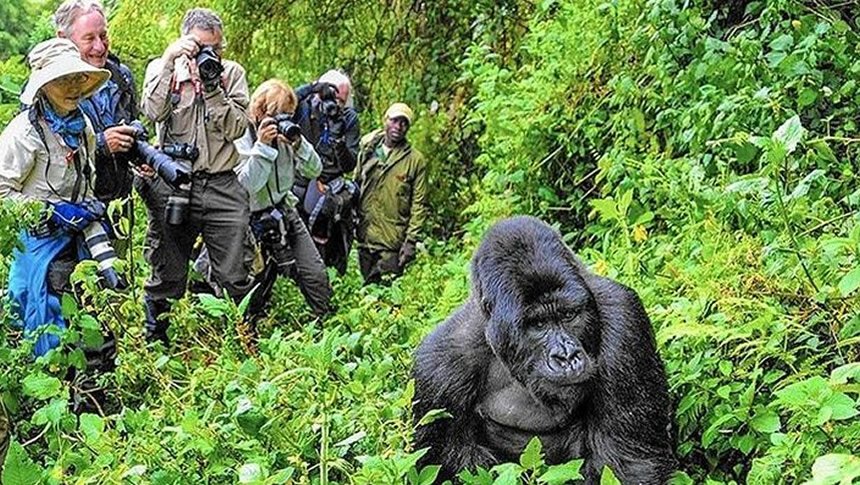
Once the gorilla family is found, visitors normally spend up to one hour observing the gorillas. The experience can be emotional because you may see adults feeding, young gorillas playing and the silverback watching over the group.
Gorilla trekking can be physically demanding. The forest may be steep, muddy and difficult to walk through. The time needed to find the gorillas can also change depending on where the family moved the previous day.
Chimpanzee Trekking vs Gorilla Trekking: Main Differences
Location
Chimpanzee trekking is commonly done in Kibale National Park. Other chimpanzee tracking locations in Uganda include Kyambura Gorge in Queen Elizabeth National Park, Budongo Forest and Kalinzu Forest.
Gorilla trekking takes place in Bwindi Impenetrable National Park and Mgahinga Gorilla National Park in southwestern Uganda.
Physical Difficulty
Gorilla trekking is usually more physically demanding because Bwindi and Mgahinga have steep forest trails and uneven ground. The walk may involve climbing hills, crossing muddy paths and moving through thick vegetation.
Chimpanzee trekking in Kibale is often less difficult because many trails are not as steep. However, the experience still requires walking for several hours, and chimpanzees may move quickly through the forest.
Your fitness level, age and travel plans should be considered before choosing either activity.
Time Spent With the Animals
During normal gorilla trekking, visitors are allowed up to one hour with the gorilla family after finding them.
Chimpanzee trekking also normally allows up to one hour with the chimpanzees. However, the experience may feel different because chimpanzees are often moving, climbing and calling.
Visitors who want more time with chimpanzees can consider a chimpanzee habituation experience. This activity allows participants to spend more time observing chimpanzees as they become used to human presence.
Age Requirements
The minimum age for gorilla trekking in Uganda is 15 years.
The minimum age for chimpanzee trekking is 12 years. This makes chimpanzee trekking a possible option for families travelling with children who are too young for gorilla trekking.
Age requirements should always be confirmed before booking because park rules and activity conditions may change.
Wildlife Behaviour
Chimpanzees are very active and social animals. They communicate through calls, movements and different sounds. They may move through the forest floor or climb high into the trees.
Mountain gorillas are usually calmer during viewing. Visitors may see them feeding, resting, grooming or caring for young ones. However, gorillas are wild animals, so their behaviour cannot be guaranteed.
Both experiences offer an opportunity to learn about primates and the importance of protecting their natural habitats.
Chimpanzee Trekking in Kibale National Park
Kibale National Park is a popular destination for chimpanzee trekking in Uganda. The forest has many primate species, making it an interesting destination for wildlife lovers and photographers.
A typical chimpanzee trekking experience begins with a briefing from park guides. Visitors then enter the forest in small groups. Trackers help locate the chimpanzees and guide visitors towards the community.
The chimpanzees may be close to the ground or high in the trees. You may hear loud calls, see them moving between trees or watch them interact with one another.
Kibale can be combined with other destinations, including Queen Elizabeth National Park, Bwindi Impenetrable National Park and Lake Bunyonyi.
Gorilla Trekking in Bwindi Impenetrable National Park
Bwindi Impenetrable National Park is one of Uganda’s main destinations for mountain gorilla trekking. The park is covered by ancient rainforest and has several gorilla trekking sectors.
The trekking experience begins with a briefing before visitors enter the forest. Guides and trackers then lead the group through the forest in search of a habituated gorilla family.
The walk may be short or may take several hours. The terrain can be steep and muddy, so good walking shoes and suitable clothing are important.
When the gorillas are found, visitors must follow the instructions of the guides. Keep a safe distance, avoid flash photography and do not visit the gorillas when you are sick.
Which Experience Is More Affordable?
Chimpanzee trekking is generally less expensive than gorilla trekking. However, the final cost depends on the permit category, nationality, park, accommodation, transport and number of days in Uganda.
Chimpanzee trekking in Kibale is usually more affordable for travellers who want to enjoy a primate experience while keeping their safari budget lower.
Gorilla trekking requires a more expensive permit, but it is a special experience that many travellers plan for several months or years in advance.
Permit prices can change, so travellers should confirm the current rates before making payment.
Which Experience Is Better for Families?
Chimpanzee trekking may be more suitable for families with children aged 12 to 14 because the minimum age for chimpanzee tracking is lower.
Gorilla trekking is suitable for families with older children and teenagers who meet the minimum age requirement and can manage a challenging forest walk.
Parents should also consider the child’s fitness, interest in wildlife and ability to follow forest rules. Both activities require patience, quiet behaviour and respect for wild animals.
For families who want to combine wildlife and cultural activities, Uganda offers many options beyond primate trekking.
Can You Do Chimpanzee Trekking and Gorilla Trekking on the Same Safari?
Yes. Many visitors choose to include both activities in one Uganda safari.
A combined itinerary may begin with chimpanzee trekking in Kibale National Park. The trip can then continue to Queen Elizabeth National Park for game drives and a boat cruise on the Kazinga Channel. After that, travellers can continue to Bwindi for gorilla trekking.
This type of safari allows visitors to experience chimpanzees, mountain gorillas, savannah wildlife, forests and local communities during one trip.
A combined safari normally requires more travel time and a higher budget. However, it can be a good choice for travellers who want to see more of Uganda.
What Should You Pack?
Whether you choose chimpanzee trekking or gorilla trekking, you should prepare for forest conditions.
Wear lightweight and comfortable clothing that covers your arms and legs. Strong hiking shoes are useful because forest paths may be muddy or slippery. A rain jacket is also important because rain can occur at any time.
Carry drinking water, insect repellent, sunscreen, a small backpack and a camera. Avoid using flash when photographing primates.
For gorilla trekking, visitors may also consider hiring a porter. Porters can help carry bags and provide support on difficult trails.
Responsible Trekking Rules
Chimpanzee and gorilla trekking help support conservation and local communities. Visitors should follow the instructions given by park guides and rangers.
Do not visit the forest when you are sick because humans can pass diseases to primates. Keep quiet, do not chase animals and never try to touch them.
Do not leave rubbish in the forest. Avoid flash photography and maintain the required distance from the animals.
Respect the forest, guides, trackers and local communities. Responsible tourism helps protect Uganda’s wildlife for future generations.
How to Choose Between Chimpanzee Trekking and Gorilla Trekking
Choose chimpanzee trekking if you are interested in active primates, forest sounds and social animal behaviour. It is also a useful option for travellers with a smaller budget or families with children aged 12 and above.
Choose gorilla trekking if you want to see mountain gorillas in their natural habitat and are prepared for a more challenging forest walk. It is ideal for travellers who have a strong interest in gorilla conservation and wildlife photography.
If your budget and travel time allow, you can include both experiences in one Uganda safari.
Plan Your Uganda Primate Safari
Chimpanzee trekking and gorilla trekking offer two different ways to experience Uganda’s forests and wildlife. Chimpanzees are active, vocal and often move through the trees. Mountain gorillas are usually calmer and stay together in family groups.
The right choice depends on your budget, age, fitness, interests and available travel time.
At Menlyn Tours & Travel, we can help you plan a Uganda safari that includes chimpanzee trekking, gorilla trekking, wildlife viewing and cultural experiences. Contact us to discuss your travel dates and create a safari that suits your plans.