- DIRECT CONTACTS:
- +256 766 009 702
- +256 772 166 444
- info@menlyntours.com

Kidepo Valley National Park: Wildlife and Travel Tips
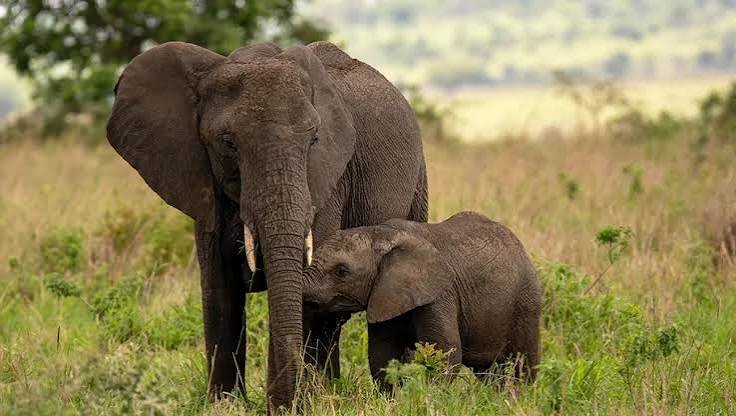
Kidepo Valley National Park: Wildlife and Travel Tips.Kidepo Valley National Park is one of Uganda’s most remote and rewarding safari destinations. Located in the northeastern part of the country, the park offers wide savannah plains, rugged mountains, rich wildlife, and memorable cultural experiences. It is an excellent choice for travellers who want to explore a quieter side of Uganda.
Unlike some of Uganda’s more frequently visited national parks, Kidepo offers a sense of space and wilderness. Visitors can enjoy game drives, birdwatching, scenic landscapes, and opportunities to learn about local communities. However, its remote location means that careful travel planning is important.
In this guide, we explore the wildlife, cultural experiences, road travel options, and practical tips to help you plan your visit to Kidepo Valley National Park.
Where Is Kidepo Valley National Park?
Kidepo Valley National Park lies in Uganda’s northeastern region, near the borders of South Sudan and Kenya. It covers approximately 1,442 square kilometres and is known for its open grasslands, rocky hills, seasonal river valleys, and beautiful mountain views.
The park was established as a national park in 1962. Its remote setting has helped preserve a distinctive wilderness atmosphere that appeals to wildlife enthusiasts, photographers, birdwatchers, and adventurous travellers.
One of the park’s main attractions is the Narus Valley, where wildlife often gathers around available water sources, especially during drier periods. The Kidepo Valley also offers striking scenery, including broad plains and seasonal riverbeds.
For travellers planning a wider wildlife holiday, Kidepo Valley National Park can be included in a longer journey through Uganda’s national parks. You can explore our safari destinations in Uganda to discover other places worth visiting.
Wildlife to See in Kidepo Valley National Park
Wildlife is one of the main reasons to visit Kidepo Valley National Park. Its combination of savannah, woodland, rocky terrain, and seasonal water sources supports a wide range of animals.
Lions, Elephants, Buffaloes, and Giraffes
Game drives provide opportunities to see some of Africa’s best-known wildlife. Lions may be spotted resting in the grass or searching for prey, while elephants move through the park in search of food and water.
Large herds of buffaloes are another highlight, particularly in the wildlife-rich Narus Valley. Visitors may also encounter giraffes, zebras, warthogs, and different antelope species during their drives.
Wildlife sightings depend on the season, weather, and animal movements. Therefore, it is best to allow enough time for several game drives rather than expecting to see every animal during one outing.
Unique Wildlife and Birdwatching
Kidepo is particularly interesting because it supports several species that are rare or absent in many other Ugandan national parks. These include cheetahs, bat-eared foxes, striped hyenas, and greater kudu.
The park is also an excellent destination for birdwatching. Its birdlife includes ostriches, secretary birds, eagles, and colourful bee-eaters. The combination of open plains and dry-country habitats makes it especially appealing to bird enthusiasts.
For the best experience, travel with a knowledgeable safari guide who can help identify animals, explain their behaviour, and locate productive wildlife-viewing areas.
For current park information, conservation updates, and visitor guidance, consult the official Uganda Wildlife Authority website.
Experience the Remote Wilderness of Kidepo
The remote setting is part of what makes Kidepo Valley National Park special. The park has wide, open landscapes with distant mountains, rocky outcrops, and grasslands that stretch towards the horizon.
Unlike busier safari destinations, Kidepo often provides a quieter experience with fewer vehicles around wildlife sightings. This creates excellent opportunities for photography and peaceful moments in nature.
Game Drives and Scenic Views
Morning and afternoon game drives are among the best ways to explore the park. Early mornings can offer pleasant temperatures and opportunities to observe animals as they begin their daily activities.
Afternoon drives provide another chance to look for wildlife while enjoying the changing light across the plains. Your guide can also help you explore different areas depending on recent sightings and road conditions.
Photography enthusiasts will appreciate the dramatic scenery, especially when the mountains form a backdrop to herds of animals moving across the savannah.
Nature and Birdwatching Experiences
Birdwatching and guided nature activities can add variety to your safari. Visitors may discover birds and smaller wildlife that are easily overlooked during a vehicle-based game drive.
Always follow park regulations and your guide’s instructions. Do not approach, feed, or disturb wild animals, even when they appear calm.
Cultural Experiences Around Kidepo Valley National Park
A visit to Kidepo is not only about wildlife. The surrounding Karamoja region is home to communities with distinctive traditions, histories, and ways of life.
Learn About Karamojong Culture
The Karamojong are traditionally pastoralist people whose livelihoods and cultural practices have strong connections to cattle and the surrounding landscape.
A community visit, arranged respectfully through a local guide or responsible tourism operator, can introduce travellers to traditional homesteads, local crafts, music, dance, and aspects of everyday life.
These experiences provide a valuable opportunity to understand the region beyond its wildlife. They can also support local livelihoods when visits are organised with community participation.
Visitors should approach cultural experiences with respect. Ask permission before taking photographs, listen to local guides, and follow any instructions provided by community hosts.
Discover the Ik Community
The Ik community lives in the mountains near the northeastern Ugandan border. Travellers with additional time may be able to arrange a guided visit to learn about the community’s traditions, history, and relationship with its mountainous environment.
This experience requires additional planning and should be arranged with knowledgeable local guides. Travellers should also consider the time and physical effort required to reach the relevant areas.
For more ideas on experiencing local traditions during your trip, read our guide to cultural experiences in Uganda.
How to Get to Kidepo Valley National Park
Getting to Kidepo requires more planning than travelling to some of Uganda’s other national parks. Visitors can reach the park by road or by air, depending on their budget, available time, and preferred travel style.
Travelling by Road From Kampala
The drive from Kampala to Kidepo Valley National Park is long. One of the commonly used routes passes through Karuma, Gulu, and Kitgum before continuing towards the park.
The journey can take around 10 hours or longer, depending on road conditions, traffic, stops, and the final access route. Travellers should not rely on the estimated driving time alone when planning their itinerary.
A four-wheel-drive vehicle is recommended, particularly where road conditions are rough or affected by rain. It is also important to check the preferred route and current conditions before departure.
For a more comfortable journey, consider breaking the drive with an overnight stop in Gulu, Kitgum, or another suitable location along the route. This reduces fatigue and allows you to begin your safari feeling more rested.
Flying to Kidepo Valley National Park
Flying is a convenient option for travellers who have limited time or prefer to spend more of their holiday exploring wildlife rather than travelling by road.
Domestic or charter flights may operate from the Entebbe or Kampala area to an airstrip serving the park. Flight schedules, availability, baggage limits, and transfer arrangements should be confirmed before booking.
Although flying usually reduces travel time considerably, travellers still need road transfers between the airstrip, accommodation, and park activities.
At Menlyn Tours & Travel, we can help you compare road and air travel options when planning a safari around your schedule and budget.
How Many Days Do You Need in Kidepo Valley National Park?
We recommend allowing at least three days for Kidepo Valley National Park, excluding the time needed to travel from Kampala if you are travelling by road.
A three-day stay gives you more opportunities for morning and afternoon game drives, birdwatching, scenic exploration, and a cultural visit if your schedule allows.
If you are travelling by road from Kampala, consider allowing additional days for the journey. A longer itinerary can also make it easier to include an overnight stop on the way to or from the park.
For travellers who want a more relaxed safari, four to five days in the Kidepo region can provide additional flexibility. You can enjoy wildlife viewing without rushing between activities and leave time for cultural experiences.
The right length of stay depends on your interests, transport arrangements, and budget. You can also read our guide on how many days you need for a Uganda safari for more planning advice.
Practical Travel Tips for Visiting Kidepo
Good preparation can make your visit to Kidepo Valley National Park more comfortable and enjoyable.
Choose the Right Time to Travel
Kidepo can be visited throughout the year, but conditions change with the seasons. The drier months are often popular for wildlife viewing because animals may gather near available water sources and some roads are easier to navigate.
The wetter months can bring greener scenery and excellent photography opportunities. However, rain may affect road conditions and travel times.
Before departure, check the latest weather forecast, road conditions, park guidance, and accommodation availability.
Pack for Warm Days and Cool Mornings
Daytime temperatures can be high, so pack lightweight clothing, a hat, sunscreen, and comfortable walking shoes. Early morning game drives can feel cooler, making a light jacket useful.
Bring binoculars if you enjoy birdwatching, as well as a camera, insect repellent, personal medication, and reusable water bottles where practical.
Book Accommodation and Transport in Advance
Because Kidepo is remote, accommodation and transport options may be more limited than in some other destinations. Booking in advance helps you choose a suitable lodge or camp and arrange reliable transport.
Confirm what your accommodation includes, such as meals, transfers, and game-drive arrangements. Also, check whether park entry fees and activities are included in your safari quotation.
Travel With a Well-Planned Itinerary
Avoid treating Kidepo as a quick stop on a tightly scheduled trip. Long driving distances, changing road conditions, and the park’s size all affect how much you can comfortably do in one day.
A well-planned itinerary should include realistic driving times, sufficient rest, accommodation near your activities, and flexibility for wildlife viewing.
Can You Combine Kidepo With Other Uganda Safari Destinations?
Yes. Kidepo Valley National Park can be combined with other destinations on a longer Uganda safari. However, distances between parks can be considerable, so the route should be planned carefully.
For example, travellers may combine Kidepo with Murchison Falls National Park for more wildlife viewing and a boat cruise on the Nile. Depending on the number of days available, other destinations can also be considered.
If you want to include several parks, consider your priorities first. A longer journey can offer greater variety, but a rushed itinerary may leave too little time to enjoy each destination.
Explore our Uganda safari packages for ideas on planning a journey around your interests, travel time, and budget.
Plan Your Visit to Kidepo Valley National Park With Menlyn Tours & Travel
Kidepo Valley National Park offers a different kind of Uganda safari. Its remote location, impressive wildlife, open landscapes, and cultural experiences make it a rewarding choice for travellers seeking an adventure away from the busier routes.
With enough time and careful planning, you can enjoy game drives, discover unique birdlife, learn about local communities, and appreciate the natural beauty of northeastern Uganda.
At Menlyn Tours & Travel, we help travellers plan personalised safari experiences based on their interests, available time, accommodation preferences, and budget. We can assist with transport arrangements, accommodation, activities, and a practical itinerary for your journey.
Get in touch with us at info@menlyntours.com to start planning your Kidepo Valley National Park safari. Tell us your preferred travel dates, number of travellers, and budget, and we will help you explore suitable options.