- DIRECT CONTACTS:
- +256 766 009 702
- +256 772 166 444
- info@menlyntours.com

Packing List For A Uganda Safari
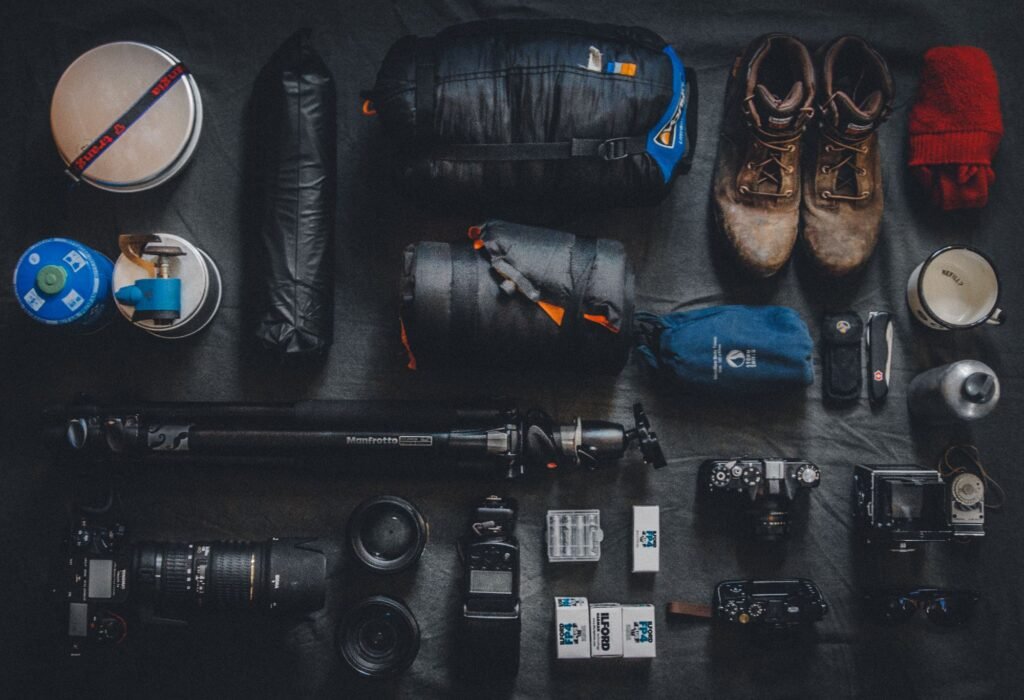
Packing list for a Uganda Safari.Packing for a Uganda safari is easier when you know what to expect. Uganda has warm weather, cool mornings, tropical forests, open savannahs and areas where rain can occur throughout the year.
What you pack may also depend on your safari activities. A gorilla trekking trip requires different preparation from a wildlife safari or a boat cruise. With the right clothes, shoes and travel items, you can enjoy your safari more comfortably.
What to Wear on a Uganda Safari
Choose comfortable and lightweight clothing for your safari. Cotton and quick-drying fabrics are good options because temperatures can become warm during the day.
Pack long trousers, lightweight shirts, T-shirts, comfortable shorts and long-sleeved shirts. Long trousers and long sleeves are especially useful during nature walks, game drives and forest activities.
Neutral colours such as green, brown, beige and khaki are practical for safari activities. You do not need to buy a completely new wardrobe for your trip. Comfortable clothes that allow you to move easily are more important.
A light sweater or fleece is also useful because mornings and evenings can be cool, especially in western and southwestern Uganda.
Comfortable Shoes for a Uganda Safari
Good shoes are an important part of your Uganda safari packing list.
For normal game drives, comfortable walking shoes or closed shoes are usually enough. However, if you are planning gorilla trekking in Uganda, strong hiking boots are recommended because forest trails can be muddy, steep and uneven.
If you are planning chimpanzee trekking, hiking shoes with good grip are also useful. Wear your hiking shoes before your trip so that they are comfortable and do not cause blisters.
You can also pack sandals or light shoes to wear around your lodge after your daily activities.
Rain Jacket and Waterproof Clothing
A waterproof jacket is one of the most useful things to pack for a Uganda safari. Rain can occur in different parts of the country, including forest areas.
This is particularly important when visiting Bwindi Impenetrable National Park, Mgahinga Gorilla National Park and Kibale Forest.
A lightweight rain jacket is easy to carry in your daypack. You can also bring a waterproof cover for your backpack to protect your clothes, phone and camera.
What to Pack for Gorilla Trekking
If your safari includes gorilla trekking, you should prepare for walking through a tropical forest. Trails can be steep, muddy and slippery, and the weather can change during the trek.
Pack strong hiking boots, long trousers, a long-sleeved shirt, a waterproof jacket and comfortable socks. Gardening gloves can also be useful for protecting your hands when moving through vegetation.
You should also carry drinking water, snacks, sunscreen, insect repellent and a small backpack.
Before your trek, it is useful to read the official Uganda Wildlife Authority (UWA) information for current guidance about Uganda’s protected areas and wildlife activities.
You can also read the official gorilla and chimpanzee tracking guidelines before your trip for information about trekking procedures and visitor requirements.
What to Pack for Chimpanzee Trekking
Chimpanzee trekking also involves walking through a forest, so comfortable clothing and good shoes are important.
Pack long trousers, a long-sleeved shirt, hiking shoes, insect repellent, sunscreen, drinking water and a small backpack.
A camera or smartphone can help you capture memories of the experience. However, always follow your guide’s instructions and avoid disturbing the chimpanzees.
If you are planning to visit Kibale, you can also learn more about chimpanzee tracking in Uganda from the Uganda Wildlife Authority.
Sun Protection
Uganda can be sunny, especially during game drives and outdoor activities. Pack a hat, sunglasses and sunscreen to protect yourself from the sun.
A wide-brimmed hat can provide extra protection during long game drives. Sunscreen is also useful during boat trips and nature walks.
Remember to carry your sunscreen in your daypack so you can reapply it during the day.
Insect Repellent
Insect repellent is useful when travelling around Uganda, especially in forest areas, wetlands and during evening activities.
Long trousers and long-sleeved shirts can provide additional protection. Choose an insect repellent that is suitable for you and use it according to the instructions on the product.
You may also want to pack a small after-bite treatment if you are sensitive to insect bites.
Toiletries and Personal Items
Pack the toiletries you normally use during your travels. Travel-sized bottles can help you save space in your luggage.
Useful items include a toothbrush and toothpaste, deodorant, soap, shampoo, moisturiser, wet wipes, tissues and hand sanitiser.
If you take prescription medicine, bring enough for the whole trip. Keep important medication in your hand luggage when travelling by air.
A small first-aid kit can also be useful. You can include items such as plasters, blister treatment and any basic medication you normally use.
Camera and Binoculars
A Uganda safari offers many opportunities for wildlife photography. A camera or smartphone is therefore useful to pack.
Binoculars are also helpful when watching animals from a distance during game drives and boat cruises.
Consider bringing extra batteries, memory cards, charging cables and a power bank. If you are carrying expensive camera equipment, protect it from rain, dust and accidental damage.
If photography is one of your main interests, you can also read our photography tips for a Uganda safari before your trip.
Important Travel Documents
Keep your important travel documents together and easy to access.
Your travel documents may include your passport, visa documents where required, flight information, travel insurance details, safari booking confirmation and any relevant trekking permits.
It is also a good idea to keep digital copies of important documents on your phone or email. Printed copies can also be useful as a backup.
Keep these documents in a waterproof folder or travel pouch, especially when travelling during the rainy season.
What to Pack for Game Drives
Game drives are one of the most popular activities on a Uganda safari. You should pack items that keep you comfortable during long hours in a safari vehicle.
A light jacket, hat, sunglasses, sunscreen, binoculars and a camera are useful. A scarf or buff can also help protect your face from dust on dry roads.
If you are visiting Murchison Falls National Park, you can expect game drives as well as other activities such as boat trips.
If your itinerary includes Queen Elizabeth National Park, pack similar items for game drives and the Kazinga Channel boat cruise.
What to Pack for a Boat Cruise
Boat trips are another popular activity in Uganda. You may take a boat cruise on the Kazinga Channel, River Nile or Lake Mburo.
For a boat cruise, pack sunscreen, sunglasses, a hat, a light jacket and a camera. Keep electronics in a waterproof pouch to protect them from splashes.
If your safari includes Lake Mburo National Park, you may also take part in activities such as nature walks and cycling
Backpack or Daypack
A small backpack is useful during your daily safari activities. You can use it to carry your water bottle, camera, sunscreen, rain jacket, snacks and personal items.
Choose a bag that is comfortable and not too heavy. For gorilla trekking, a smaller backpack is easier to carry through the forest.
Avoid carrying unnecessary items during trekking activities because you may be walking for several hours.
Water Bottle
Staying hydrated is important, especially during long game drives, nature walks and trekking activities.
Carry a reusable water bottle and refill it when possible. Your safari operator or lodge can advise you about water arrangements during your trip.
A reusable bottle can also help reduce the amount of single-use plastic you use while travelling.
What Not to Pack
You do not need to bring too many clothes. Most travellers can manage with a practical selection of outfits, especially when staying at lodges that offer laundry services.
Avoid carrying unnecessary valuables, expensive jewellery and items that you will not use during the safari.
You should also avoid overpacking. A lighter bag is easier to manage when moving between lodges, taking domestic flights or travelling by safari vehicle.
Packing for Different Seasons
Your packing list can change depending on the season and destinations you visit.
During wetter periods, prioritise a waterproof jacket, waterproof bags and shoes that can handle muddy conditions. During drier periods, sunglasses, sunscreen, a hat and protection from dust can be particularly useful.
However, Uganda’s weather can change, so it is a good idea to carry some rain protection even when travelling during a generally dry period.
Uganda Safari Packing List for Families
Families should pack comfortable clothing and shoes for each member of the group. Children may also need extra clothes because of dust, mud and outdoor activities.
Bring enough snacks, water bottles, sunscreen and personal medicine for the children. A small backpack can allow older children to carry some of their own items.
If you are planning a family trip, you can explore our Uganda safari packages and choose an itinerary that suits your family’s interests and travel time.
A Simple Uganda Safari Packing Checklist
Before leaving home, check that you have your comfortable clothes, hiking shoes, rain jacket, hat, sunscreen, insect repellent and personal toiletries.
Also check your passport, travel documents, insurance details, phone, charger, power bank and camera equipment.
If you are going gorilla or chimpanzee trekking, make sure you have suitable hiking shoes, long clothing and rain protection.
Finally, check your itinerary and pack according to the activities you will be doing.
Plan Your Uganda Safari
A good packing list can make your Uganda safari more comfortable and enjoyable. You do not need to bring everything you own. Focus on practical clothes, comfortable shoes, rain protection, personal items and equipment that matches your activities.
Whether you are planning gorilla trekking, chimpanzee trekking, wildlife viewing, boat cruises or cultural experiences in Uganda, packing properly will help you enjoy your journey.
At Menlyn Tours & Travel, we can help you choose a Uganda safari that matches your interests, travel dates and budget. Explore our Uganda safari packages and start planning your trip to the Pearl of Africa.