- DIRECT CONTACTS:
- +256 766 009 702
- +256 772 166 444
- info@menlyntours.com

Gorilla Trekking vs Gorilla Habituation in Uganda
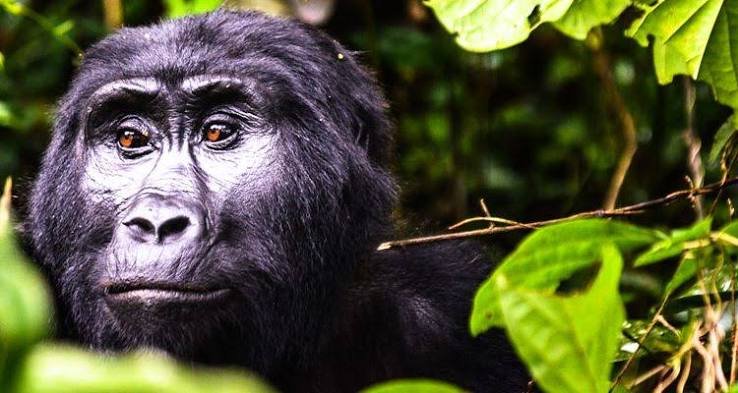
Gorilla Trekking vs Gorilla Habituation in Uganda. Uganda is one of the few places in the world where travelers can see mountain gorillas in their natural forest habitat. A gorilla encounter is often the highlight of a Uganda safari. However, travelers planning their trip may come across two different options: gorilla trekking and gorilla habituation.
Both experiences take place in Uganda’s mountain forests, but they offer different ways to spend time with gorillas. They also differ in the amount of time spent with the animals, the type of gorilla group visited, and the cost of the permit.
Understanding the difference between gorilla trekking vs gorilla habituation can help you choose an experience that suits your travel plans and budget.
What Is Gorilla Trekking?
Gorilla trekking is the most common way to see mountain gorillas in Uganda. It takes place in Bwindi Impenetrable National Park and Mgahinga Gorilla National Park.
The experience begins with a morning briefing at the park headquarters. You then enter the forest with trained guides and trackers. Your team searches for a habituated gorilla family that has been prepared for visits by tourists.
The trek can take several hours because gorillas move through the forest every day. UWA states that a trek may take around two to seven hours, depending on the location of the gorilla family. Once the family is found, visitors have one hour to observe them.
During this time, you may see gorillas feeding, resting, playing, grooming or caring for their young. Every trek is different because gorillas are wild animals and their movements cannot be predicted.
What Is Gorilla Habituation?
Gorilla habituation is a longer and more specialised gorilla experience. It takes place in Bwindi Impenetrable National Park.
Habituation is the process of helping wild gorillas become accustomed to the presence of humans. This allows researchers and conservation teams to study the gorillas while gradually preparing them for controlled human encounters.
For visitors, the experience provides more time in the forest and more opportunity to observe gorilla behaviour.
Unlike a standard trek, where visitors spend one hour with a habituated family, the habituation experience is designed around a longer period of observation.
This makes it particularly interesting for travelers who want to learn more about gorilla behaviour, research and conservation.
Gorilla Trekking vs Gorilla Habituation: What Is the Difference?
The biggest difference between the two experiences is how much time you spend observing the gorillas.
Gorilla trekking involves finding a habituated family and spending a limited observation period with them. Gorilla habituation involves spending much longer with a gorilla group that is still becoming comfortable around humans.
The two experiences also differ in price and availability.
Standard gorilla trekking is generally the more affordable option. Gorilla habituation costs more because it is a longer and more specialised experience.
For travelers planning a Uganda safari, the choice will often depend on their budget, available time and interest in gorilla conservation.
Time Spent With the Gorillas
Time is one of the clearest differences between gorilla trekking and habituation.
During standard gorilla trekking, visitors are given one hour of observation once they reach the gorilla family. However, the entire activity can take several hours because the trek through the forest may be longer. UWA currently states that treks can take between two and seven hours.
Gorilla habituation allows visitors to spend much longer observing the gorillas.
This extra time can give you more opportunities to watch natural behaviour. You may notice how different members of the group interact, communicate, feed and move through the forest.
If you enjoy wildlife photography or want more time to observe animal behaviour, the longer habituation experience may be particularly interesting.
The Gorilla Families You Visit
Another important difference is the type of gorilla group involved.
Gorilla trekking focuses on habituated gorilla families. These families are accustomed to controlled visits by tourists.
Gorilla habituation involves groups that are still undergoing the habituation process. Researchers and trackers work with these groups to help them become more comfortable with human presence.
This difference is one reason why habituation offers a more research-focused experience.
It also means that travelers should not expect exactly the same experience as a standard gorilla trek. The behaviour and movements of the gorillas can vary from one day to another.
Gorilla Permit Cost
The permit price is an important consideration when planning a gorilla safari in Uganda.
Gorilla habituation has traditionally cost more than standard gorilla trekking because it provides a longer and more specialised experience. UWA’s published 2024–2026 conservation tariff, for example, listed the foreign non-resident gorilla permit at US$800 and the gorilla habituation experience at US$1,500.
However, that tariff covered July 2024 to June 2026. Since you are creating content for September 2026, it would be better not to publish those figures as current prices unless you have confirmed the new UWA tariff.
For the latest permit rates, availability and booking requirements, travelers should check the official Uganda Wildlife Authority information or work with a licensed tour operator. UWA’s permit guidelines state that foreign non-resident gorilla permits must be purchased through a Uganda Tourism Board-licensed tour operator.
What Happens During Gorilla Trekking?
A gorilla trekking day usually starts early in the morning.
After breakfast, you travel to the park headquarters for registration and a briefing. Rangers and guides explain the trekking rules before you enter the forest.
You then begin walking through the forest in search of your assigned gorilla family.
The trek can involve steep slopes, thick vegetation and muddy trails. For this reason, a reasonable level of fitness is helpful.
Once the trackers locate the gorillas, you spend your allocated observation time watching them from a safe distance. Your guide will explain how to behave around the animals.
After the observation period, you leave the gorilla family and begin your walk back through the forest.
The experience can be physically demanding, but the opportunity to see mountain gorillas in their natural environment makes the trek memorable.
What Happens During Gorilla Habituation?
Gorilla habituation also begins with a briefing before you enter the forest.
You then walk with guides, trackers and other members of the habituation team. The group searches for the gorillas and follows their movements through the forest.
The main difference is the amount of time available for observation.
Instead of having only the standard one-hour viewing period, the habituation experience allows visitors to spend much longer with the gorillas.
During this time, you can learn more about gorilla behaviour and the work involved in habituating the group.
You may observe feeding, grooming, resting, movement and interactions between different members of the family.
The experience is therefore not simply about taking photographs. It also provides an opportunity to understand the research and conservation work behind gorilla tourism.
Where Can You Do Gorilla Trekking in Uganda?
Gorilla trekking in Uganda takes place in Bwindi Impenetrable National Park and Mgahinga Gorilla National Park.
Bwindi is divided into four main trekking sectors: Buhoma, Ruhija, Rushaga and Nkuringo. Each sector has its own accommodation options and trekking routes.
Mgahinga is located in the Virunga Mountains and provides another opportunity to see Uganda’s mountain gorillas. UWA describes it as an alternative to the denser forests of Bwindi.
When booking a gorilla safari, it is important to know your trekking sector before choosing accommodation. Staying near the correct sector can make the morning of your trek easier and reduce unnecessary travel.
Where Can You Do Gorilla Habituation?
Gorilla habituation is offered in Bwindi Impenetrable National Park.
Bwindi is especially important for mountain gorilla conservation. UWA describes it as one of Uganda’s key gorilla destinations and notes that it is home to a significant share of the world’s mountain gorilla population.
The forest is also home to many other species, including birds, mammals and other forest wildlife. This means that the journey through the forest can be rewarding even beyond the gorilla encounter.
If you are planning a habituation experience, it is important to confirm the availability of the experience and the applicable permit requirements before booking your accommodation and transport.
Which Experience Is Right for You?
The answer depends on what you want from your Uganda safari.
If you want a memorable mountain gorilla encounter at a lower permit cost, gorilla trekking provides a shorter and more straightforward experience.
If you want to spend more time observing gorillas and are interested in their behaviour and conservation, gorilla habituation offers a longer experience.
Your budget should also be considered. Since habituation has a higher permit cost, it can increase the overall price of your safari.
For travelers who are visiting Uganda for the first time, standard gorilla trekking can also be combined with other activities. You could add a wildlife safari, cultural experience, nature walk or visit to another Ugandan destination.
How to Prepare for Gorilla Trekking or Habituation
Both experiences take place in a rainforest environment, so good preparation is important.
Wear comfortable hiking shoes with good grip. The trails can be steep, wet and muddy, especially after rain.
Long trousers and long-sleeved clothing can help protect you from vegetation and insects. A waterproof jacket is also useful because weather conditions can change quickly in the forest.
Carry enough drinking water and some snacks for the trek. A small backpack is usually more practical than a large bag.
You may also want to bring a camera, extra batteries and a waterproof bag to protect your equipment.
Most importantly, listen carefully to your guides and follow all gorilla viewing rules. These guidelines help protect both visitors and the gorillas.
Gorilla Trekking vs Gorilla Habituation: Which One Costs More?
Gorilla habituation costs more than standard gorilla trekking because it offers a longer and more specialised experience.
The difference can be significant, especially for international travelers planning a full safari with accommodation, transport and other activities.
For budget-conscious travelers, standard gorilla trekking is therefore easier to include in an overall Uganda safari budget.
For travelers with more flexibility, habituation can provide additional time to study and observe gorilla behaviour.
Before booking, always confirm the latest permit price and availability because UWA tariffs can change between different tariff periods.
Plan Your Uganda Gorilla Safari
Gorilla trekking and gorilla habituation both provide special opportunities to experience Uganda’s mountain gorillas.
The main difference is the style and length of the experience. Gorilla trekking gives you a shorter observation period with a habituated gorilla family, while habituation provides more time with a group that is still becoming accustomed to human presence.
Your budget, interests and available time can help you decide which experience fits your trip.
Whether you choose a standard trek or a longer habituation experience, planning early is important. Gorilla permits are limited, and your permit sector also affects where you should stay.
At Menlyn Tours & Travel, we can help you plan your Uganda gorilla safari, including gorilla permits, accommodation, transportation and other activities. We can also create an itinerary that combines gorilla trekking with wildlife, cultural experiences and scenic destinations in Uganda.
Get in touch with Menlyn Tours & Travel to start planning your Uganda gorilla experience.