- DIRECT CONTACTS:
- +256 766 009 702
- +256 772 166 444
- info@menlyntours.com

A Guide to Traditional Ugandan Foods
A Guide to Traditional Ugandan Foods
Uganda has a wide variety of traditional foods influenced by the country’s different regions and communities. Many dishes are based on ingredients that are locally grown, including bananas, maize, cassava, sweet potatoes, beans, groundnuts and vegetables.
For travelers, learning about traditional Ugandan foods is more than discovering what is on the plate. It is also a way to understand agriculture, family life and local traditions.
What Makes Ugandan Food Different?
Ugandan food is strongly connected to locally available ingredients.
Many traditional meals are based around a staple food served with a sauce, stew or other accompaniment. The ingredients and preparation methods can change from one region to another.
This means there is no single meal that represents every Ugandan community.
Matoke and Banana-Based Foods
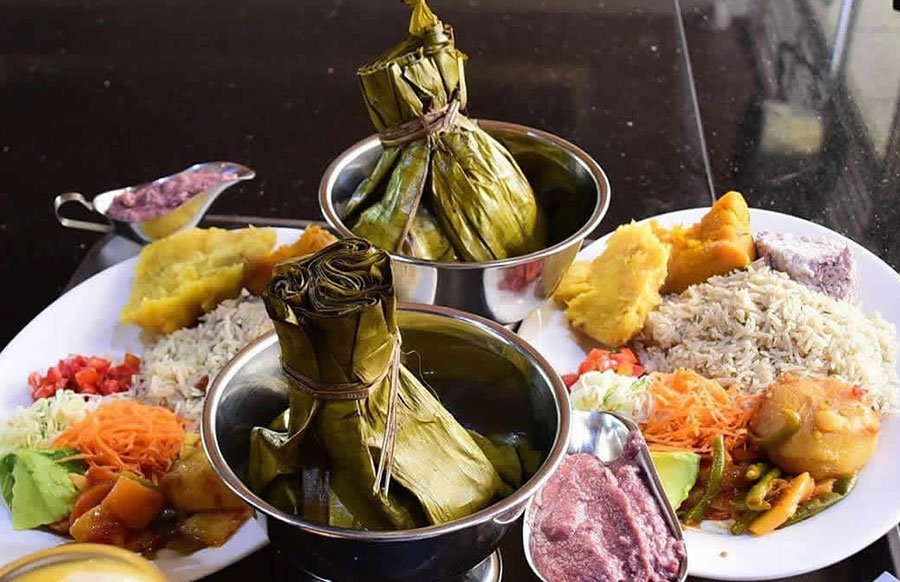
Green bananas, commonly known as matoke, are an important part of Ugandan cuisine.
They can be steamed, cooked and served with different sauces. In some traditional preparations, bananas are wrapped in banana leaves before cooking.
For visitors, matoke is one of the easiest foods to try when staying at a Ugandan lodge or restaurant.
Cassava
Cassava is another important staple food.
It can be boiled, steamed, dried and processed into flour. Cassava is used in different meals and can also be eaten as a simple snack.
Its versatility makes it an important food in many Ugandan communities.
Sweet Potatoes
Ugandans commonly eat sweet potatoes and may serve them for breakfast , lunch or as a snack.
They boil or prepare them in many ways depending on the household.
You may encounter different varieties and colours when visiting local markets.
Maize and Posho
Another important crop in Uganda is maize.
Maize flour is used to prepare posho, a firm staple commonly served with beans, meat, vegetables or other sauces.
It is a simple food but an important part of everyday meals.
Groundnuts
Ugandans use groundnuts in many dishes.
They can be eaten directly or ground into a sauce. Groundnut sauce is often served with traditional staples and provides a rich, nutty flavour.
Travelers with allergies should always ask about ingredients before trying unfamiliar dishes.
Beans and Vegetables
Beans are a common source of protein in many Ugandan meals.
They may be cooked with onions, tomatoes and other ingredients and served with matoke, posho, rice or cassava.
Vegetables also play an important role in local cooking, with dishes varying according to season and region.
Traditional Food and Special Occasions
Some foods are prepared differently for family gatherings, celebrations and cultural events.
Food can be connected to hospitality and social occasions, making meals an important part of cultural experiences.
When visiting a community, ask your local guide about the meaning behind the food rather than simply asking what it tastes like.
Food Changes From Region to Region
Uganda’s food reflects its cultural diversity.
The dishes, ingredients and preparation methods found in western Uganda may differ from those found in northern, eastern or central Uganda.
This regional diversity is one reason why travelers who visit several parts of the country can experience different foods during the same trip.
Where Can Travelers Try Traditional Food?
You can try traditional food in local restaurants, hotels, lodges, markets and organized cultural experiences.
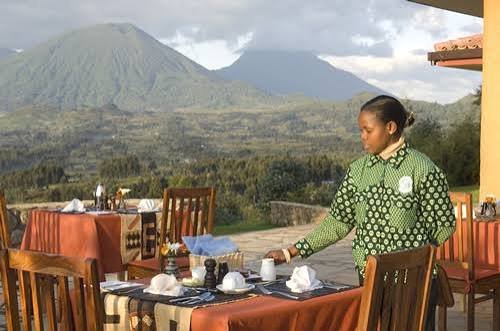
Some safari lodges also include Ugandan dishes on their menus.
If food is an important part of your trip, mention it when booking your safari so your itinerary can include opportunities to experience local cuisine.
Food Is Part of the Travel Experience
Traditional Ugandan foods tell stories about the country’s people, agriculture and communities.
Trying local dishes during your trip can therefore be a simple but meaningful cultural experience.
From matoke and cassava to groundnut sauce, beans, sweet potatoes and posho, Uganda offers travelers many flavours to discover.
If you want to combine food with cultural experiences, wildlife or a Uganda safari, Menlyn Tours & Travel can help you plan an itinerary that matches your interests.