- DIRECT CONTACTS:
- +256 766 009 702
- +256 772 166 444
- info@menlyntours.com

Barkcloth in Uganda: History and Cultural Importance
Barkcloth in Uganda: History and Cultural Importance
When travelers think about Ugandan culture, they may first think about traditional food, music or dance. However, Uganda also has important craft traditions that tell stories about the country’s history.
Barkcloth making is one of these traditions. It is closely associated with the Baganda people and the Buganda Kingdom and has been recognized by UNESCO as Intangible Cultural Heritage of Humanity.
What Is Barkcloth?
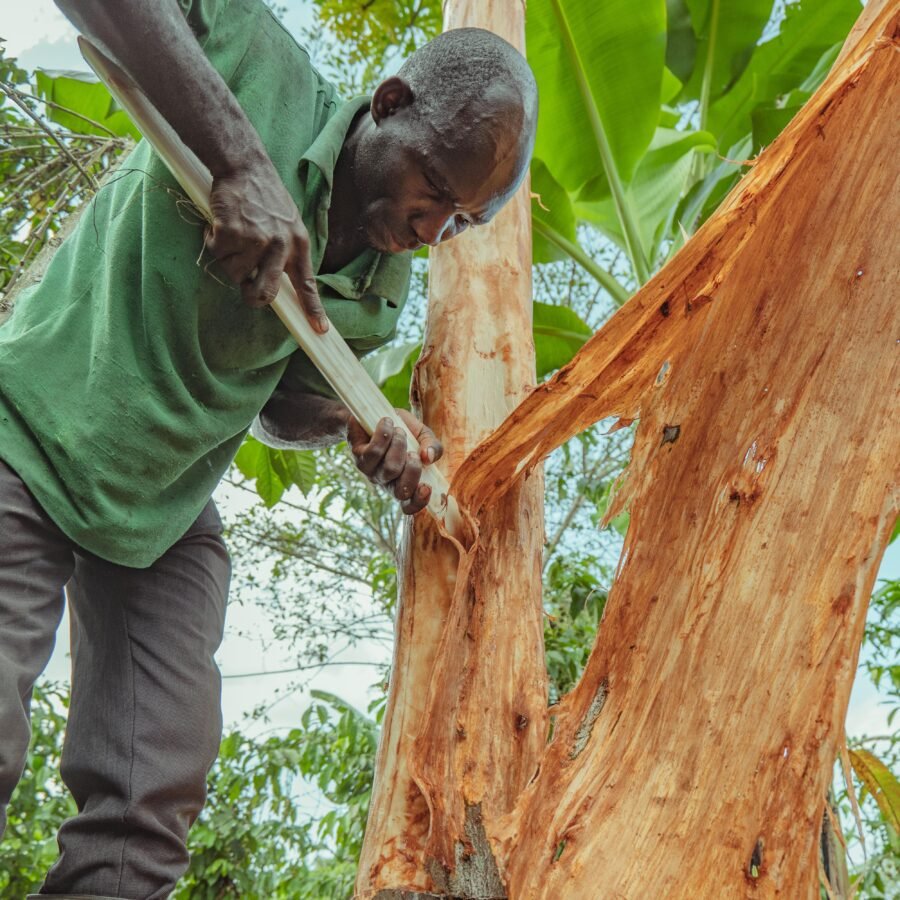
Barkcloth is a traditional material made from the inner bark of the Mutuba tree, scientifically known as Ficus natalensis.
The bark is carefully harvested and processed before being beaten with wooden mallets to create a softer, flexible material.
UNESCO describes barkcloth making as an ancient craft of the Baganda people.
How Is Barkcloth Made?
Making barkcloth requires skill and patience.
The inner bark of the Mutuba tree is harvested and then repeatedly beaten with wooden mallets.
The process produces a material with a distinctive texture and natural colour.
Traditionally, craftsmen worked in open sheds to protect the bark while it was being processed.
Who Traditionally Made Barkcloth?
Barkcloth making has historically been associated with the Baganda people of the Buganda Kingdom.
UNESCO notes that craftsmen of the Ngonge clan traditionally produced barkcloth for the royal family and wider community.
The craft therefore had an important connection with social and cultural life.
How Was Barkcloth Used?
Barkcloth had many uses.
It could be worn as clothing and was also used during cultural and spiritual ceremonies.
Barkcloth has been associated with coronations, healing ceremonies, funerals and cultural gatherings.
Its use therefore extended beyond everyday clothing.
Why Did Barkcloth Production Decline?
The introduction of cotton cloth in the nineteenth century affected traditional barkcloth production.
As other materials became more widely available, the traditional craft declined.
However, barkcloth remained connected to cultural and spiritual practices and has received renewed attention as an important part of Ugandan heritage.
Barkcloth as a Cultural Experience
Travelers interested in Ugandan culture can learn about barkcloth through cultural tours and heritage experiences.
Seeing how the material is produced can make the history easier to understand than simply reading about it.
You can also learn how traditional crafts have adapted to modern tourism and contemporary products.
Can You Buy Barkcloth Products?
Depending on where you visit, you may find barkcloth used in decorative items, artwork and other locally made products.
If you decide to buy a barkcloth product, consider asking the seller about how it was made and where it came from.
Buying directly from local artisans can also support traditional skills.
Why Should Travelers Learn About Traditional Crafts?
Traditional crafts provide a connection between history and modern life.
They show how communities used locally available resources and developed skills that were passed from one generation to another.
Barkcloth is a particularly interesting example because the craft continues to represent an important part of Buganda cultural identity.
Include Culture in Your Uganda Trip
A Uganda safari does not have to focus only on wildlife.
You can combine national parks with cultural experiences, historical sites, traditional crafts and local food.
This gives you an opportunity to understand more about the people and heritage of the country. Menlyn Tours & Travel can help you tailor what you suites your taste.