- DIRECT CONTACTS:
- +256 766 009 702
- +256 772 166 444
- info@menlyntours.com

East Africa Safari: Uganda, Kenya, Tanzania & Rwanda Compared
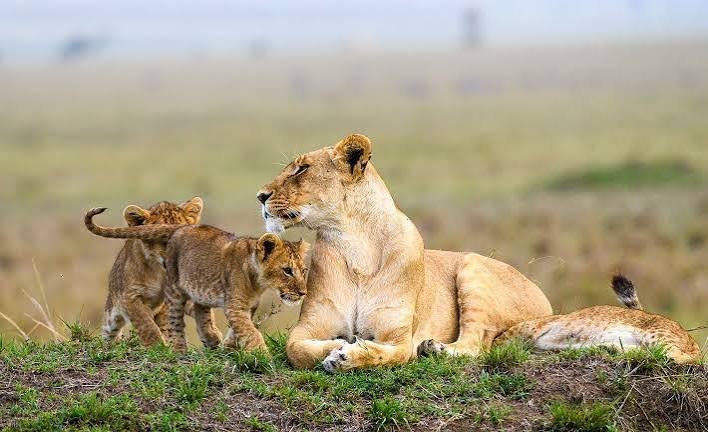
An East Africa Safari can take you through some of the most diverse wildlife destinations in Africa. Uganda, Kenya, Tanzania and Rwanda each offer different experiences, from mountain gorilla trekking and chimpanzee tracking to classic savannah game drives and dramatic landscapes.
Uganda is known for gorillas, chimpanzees, forests and varied wildlife. Kenya is famous for the Maasai Mara and large savannah landscapes. Tanzania offers the Serengeti, Ngorongoro Crater and the northern safari circuit. Rwanda is well known for gorilla trekking in Volcanoes National Park and its volcanic mountain scenery.
Because each country offers something different, choosing where to go depends on your interests, available time, budget and the type of safari you want.
This guide compares Uganda, Kenya, Tanzania and Rwanda to help you understand what each destination offers and how you can combine them into one East Africa Safari.
Why Choose an East Africa Safari?
One of the main reasons travellers choose an East Africa Safari is the variety.
You can spend several days exploring open savannah, then move into tropical forests for chimpanzee or gorilla trekking. You can also experience lakes, rivers, mountains, local communities and different wildlife habitats during the same holiday.
Uganda, Kenya, Tanzania and Rwanda are not identical safari destinations. Each has its own strengths and can be included depending on what you want to experience.
For a broader introduction to Uganda, you can read Uganda Safaris: The Ultimate Guide to Exploring the Pearl of Africa and learn more about the country’s parks, wildlife and safari experiences.
Uganda Safari: Gorillas, Chimpanzees and Wildlife
Uganda offers a combination of primate experiences and traditional wildlife safaris.
Gorilla trekking takes place in Bwindi Impenetrable National Park and Mgahinga Gorilla National Park. Uganda Wildlife Authority confirms these as Uganda’s gorilla trekking destinations.
Uganda also offers chimpanzee trekking in Kibale National Park. Wildlife safaris can take you to destinations such as Queen Elizabeth National Park, Murchison Falls National Park and Lake Mburo National Park.
This variety makes Uganda useful for travellers who want more than traditional game drives.
You could begin your trip with chimpanzee trekking in Kibale, continue to Queen Elizabeth National Park for game drives and a boat cruise, and then travel south for gorilla trekking in Bwindi.
If you are interested in gorillas, our guide on Uganda or Rwanda for Gorilla Trekking: Which Should You Choose? explains some of the differences between the two destinations.
For official information about Uganda’s protected areas and wildlife activities, travellers can also visit the official Uganda Wildlife Authority website.
Kenya Safari: The Maasai Mara and Classic Wildlife
Kenya is one of the best-known safari destinations in East Africa.
The Maasai Mara is famous for its open grasslands, large wildlife populations and predator sightings. Kenya also offers destinations such as Amboseli National Park, Lake Nakuru and Tsavo National Parks.
A Kenya safari is particularly suitable for travellers who want classic savannah wildlife viewing.
Game drives can provide opportunities to see lions, elephants, buffaloes, giraffes, zebras and other wildlife. The exact sightings will always depend on the season, location and natural behaviour of the animals.
If you are planning a shorter Kenya safari, you can also explore the 5-Day Kenya Big Five Safari: Maasai Mara & Beyond on the Menlyn website.
Kenya can also be combined with Uganda. Our Uganda and Kenya Safari: Best Combined Itinerary explains how travellers can combine gorilla trekking and primate experiences in Uganda with classic wildlife viewing in Kenya.
Tanzania Safari: Serengeti, Ngorongoro and More
Tanzania is another major destination for an East Africa Safari.
The northern safari circuit includes the Serengeti, Ngorongoro Crater and Tarangire National Park. The Tanzania Tourist Board describes this northern circuit as a major safari route featuring Serengeti wildlife, the Ngorongoro Crater and Tarangire’s elephant herds and baobab landscapes.
The Serengeti is known for its wide plains and large wildlife populations. Ngorongoro offers a very different landscape, with wildlife viewing inside the crater.
Tanzania is also home to Mount Kilimanjaro, making it possible to combine a safari with a mountain adventure.
For travellers interested mainly in wildlife and large savannah landscapes, Tanzania can form an important part of a longer East African itinerary.
Rwanda Safari: Gorillas and Volcanoes
Rwanda offers a different style of safari experience.
The country is particularly well known for gorilla trekking in Volcanoes National Park. The park sits within the Virunga mountain region and offers visitors the opportunity to trek through mountain forest in search of habituated gorilla families.
Rwanda can be especially practical for travellers who are already visiting Kigali and want to add a gorilla trekking experience.
Visit Rwanda provides official tourism information about gorilla trekking and national park experiences in the country.
Rwanda can also be combined with Uganda. You can begin in Kigali, travel into southwestern Uganda, explore Bwindi or Queen Elizabeth National Park, and then continue your journey through Uganda.
You can read Uganda Safari and Rwanda Gorilla Trekking Combined for more ideas on planning this type of trip.
East Africa Safari Comparison: Uganda, Kenya, Tanzania and Rwanda
The four countries offer different experiences.
Uganda is particularly strong for travellers interested in gorillas, chimpanzees, forests, wildlife and varied landscapes.
Kenya is well suited to travellers looking for classic savannah game drives, the Maasai Mara and large open landscapes.
Tanzania offers major safari destinations such as the Serengeti, Ngorongoro and Tarangire, along with Mount Kilimanjaro.
Rwanda is especially known for gorilla trekking in Volcanoes National Park and its volcanic mountain scenery.
This does not mean that one country can only offer one type of experience. Uganda, Kenya, Tanzania and Rwanda all have varied tourism products. The difference is often in the combination of experiences, routes and destinations available within the time you have.
Gorilla Trekking on an East Africa Safari
Gorilla trekking is one of the experiences that can make an East Africa Safari very different from a traditional wildlife holiday.
Uganda offers gorilla trekking in Bwindi Impenetrable National Park and Mgahinga Gorilla National Park.
Rwanda offers gorilla trekking in Volcanoes National Park.
The experience involves walking through forest terrain with guides and trackers while searching for a habituated gorilla family.
Gorilla trekking can be physically demanding, so travellers should prepare for walking on uneven and sometimes steep terrain.
For Uganda, the Uganda Wildlife Authority currently advises that gorilla tracking can take several hours depending on the location of the gorilla family.
If gorilla trekking is the main reason for your trip, it is important to book the permit and plan the rest of the itinerary around the trekking date.
Chimpanzee Trekking in East Africa
An East Africa Safari can also include chimpanzee trekking.
Uganda is particularly well known for chimpanzee experiences, with Kibale National Park being one of the main destinations.
Chimpanzee trekking is different from gorilla trekking. The forest environment, animal behaviour and trekking experience are not the same.
Travellers who want both experiences can create an itinerary that includes Kibale for chimpanzee trekking and Bwindi for gorilla trekking.
This combination works particularly well for travellers who want a primate-focused safari before adding traditional wildlife experiences.
Big Five Safari in East Africa
The Big Five are lion, leopard, elephant, buffalo and rhinoceros.
Kenya and Tanzania are well known for classic Big Five safari experiences, particularly in major savannah destinations.
Uganda also offers opportunities to see several of these species in its national parks. However, wildlife sightings are never guaranteed because animals move freely through their natural habitats.
A traveller focused mainly on traditional game drives may therefore choose an itinerary that gives more time to savannah parks.
A traveller who wants gorillas and chimpanzees alongside wildlife can build a more varied itinerary through Uganda before continuing to Kenya or Tanzania.
How Many Days Do You Need for an East Africa Safari?
The number of days depends on how many countries you want to visit.
A short East Africa Safari of around 5 to 7 days can focus on one country or combine a small number of nearby experiences.
For example, a short Uganda itinerary could combine Kibale and Queen Elizabeth, or focus on Bwindi and gorilla trekking.
A 10 to 14-day itinerary gives you more flexibility. You can combine Uganda with Kenya or Rwanda, or spend more time exploring Tanzania.
For travellers who want to visit Uganda, Kenya, Tanzania and Rwanda on one trip, two weeks or more is generally more practical because international borders, road transfers, flights and activities all require travel time.
It is usually better to allow enough time to enjoy each destination instead of trying to visit too many places in a very short period.
How Much Does an East Africa Safari Cost?
The cost of an East Africa Safari varies widely.
Your final price can depend on the countries you visit, number of days, accommodation level, transportation, park fees, gorilla or chimpanzee permits, activities and number of travellers.
Gorilla trekking can add a significant amount to the overall budget because permits are required.
Accommodation can also range from budget camps and lodges to luxury safari properties.
Transportation is another important factor. A road safari may cost less than using several internal flights, but flights can reduce long travel times between destinations.
For this reason, it is better to compare the complete itinerary rather than looking at one advertised price.
You can explore Uganda safari packages to see how different Uganda itineraries can be structured around different budgets and travel styles.
Best Time for an East Africa Safari
The best time for an East Africa Safari depends on the countries and activities included.
Uganda can be visited throughout the year, although weather conditions can influence trekking and wildlife viewing.
Kenya and Tanzania are popular for wildlife safaris throughout the year, with different seasons offering different conditions for game viewing.
Rwanda can also be visited throughout the year for gorilla trekking, although weather and trail conditions can influence the trekking experience.
If you want to combine several countries, your travel dates should be chosen around the experiences that matter most to you.
For example, someone focused on gorilla trekking may plan around the trekking experience, while someone focused on wildlife migration may give more attention to the timing of their Kenya or Tanzania itinerary.
Can You Combine Uganda, Kenya, Tanzania and Rwanda?
Yes, it is possible to combine the four countries into one longer East African holiday.
However, the route needs careful planning.
One option is to begin in Uganda and travel through Kenya and Tanzania before finishing in Rwanda. Another option is to start in Rwanda and continue through Uganda, Kenya and Tanzania.
The best route depends on your international flights, border crossings, available time, activities and whether you prefer road travel or flights between destinations.
A shorter combination may be easier for many travellers.
For example, Uganda and Kenya can combine gorilla trekking and classic savannah wildlife. Uganda and Rwanda can combine wildlife, primates and gorilla trekking. Uganda and Tanzania can combine gorilla trekking with the Serengeti and Ngorongoro.
Sample 14-Day East Africa Safari Itinerary
A 14-day East Africa Safari can be designed around several key experiences without trying to cover every destination in each country.
Day 1: Arrival in Entebbe, Uganda
Arrive in Entebbe and meet your safari team. Depending on your arrival time, you can rest at your hotel or enjoy a short experience around Entebbe.
Day 2: Entebbe to Kibale National Park
Travel towards Kibale National Park through Uganda’s countryside. The journey gives you an introduction to the country’s changing landscapes.
Day 3: Chimpanzee Trekking in Kibale
Spend the morning trekking through Kibale Forest in search of chimpanzees. After the activity, relax at your lodge or enjoy another forest experience.
Day 4: Kibale to Queen Elizabeth National Park
Travel towards Queen Elizabeth National Park. Depending on your arrival time, you may enjoy an afternoon game drive.
Day 5: Queen Elizabeth National Park
Enjoy a morning game drive followed by an afternoon boat cruise on the Kazinga Channel. The area is known for elephants, buffaloes, hippos and many bird species.
Day 6: Queen Elizabeth to Bwindi
Travel towards Bwindi Impenetrable National Park. Depending on the route, you can pass through the Ishasha sector.
For practical travel information, our guide on How to Get to Bwindi Impenetrable National Park can help you understand the main routes into the park.
Day 7: Gorilla Trekking in Bwindi
Take part in your gorilla trekking experience in Bwindi. After the trek, return to your lodge and rest.
Day 8: Bwindi to Kigali
Travel from southwestern Uganda towards Rwanda. After crossing the border, continue to Kigali for an overnight stay.
Day 9: Kigali to Kenya
Fly or travel according to your planned connection into Kenya. Depending on your arrival time, you can relax before beginning the next part of your safari.
Day 10: Kenya Wildlife Safari
Travel towards the Maasai Mara or another selected wildlife destination. Enjoy an afternoon game drive after arriving.
Day 11: Full-Day Maasai Mara Game Drives
Spend the day exploring the reserve with morning and afternoon game drives. The focus is on wildlife viewing and photography.
Day 12: Kenya to Tanzania
Continue towards Tanzania by road or flight, depending on the itinerary. Your final destination can be selected according to the safari experience you want.
Day 13: Serengeti or Ngorongoro
Enjoy a game drive in one of Tanzania’s major northern safari destinations. The exact location will depend on your route and accommodation.
Day 14: Departure
Transfer to the appropriate airport for your onward flight or international departure.
This is only a sample itinerary. A real trip should be adjusted according to flight schedules, border requirements, trekking permits, accommodation and the amount of time you want to spend in each destination.
East Africa Safari: Which Country Fits Your Travel Style?
If your main interest is gorilla trekking and chimpanzees, Uganda offers a combination of primate and wildlife experiences.
If you want classic savannah game drives and the Maasai Mara, Kenya can be included in your itinerary.
If your priorities include the Serengeti, Ngorongoro and the northern safari circuit, Tanzania may be central to your plans.
If you want gorilla trekking around Kigali and Volcanoes National Park, Rwanda can form an important part of your trip.
You can also combine countries instead of choosing only one.
For example, Uganda and Kenya can create a combination of primates and savannah wildlife. Uganda and Tanzania can combine forest experiences with the Serengeti and Ngorongoro. Uganda and Rwanda can combine wildlife and gorilla trekking across two neighbouring countries.
Tips for Planning an East Africa Safari
Start by deciding what you most want to experience.
If gorilla trekking is important, arrange the itinerary around the trekking permit. If wildlife is your main priority, allow enough days for game drives rather than spending too much time travelling between destinations.
Think about the amount of road travel you are comfortable with. Some routes are long, so adding a domestic or regional flight can save time.
Your accommodation choice also affects the total cost. Budget, mid-range and luxury options can create very different safari prices.
It is also important to check passport, visa and border requirements for every country included in your itinerary before travelling.
Finally, leave some flexibility in the schedule. Safari conditions, weather, road conditions and flight schedules can affect travel times.
Why Choose Menlyn Tours & Travel?
Planning a multi-country East Africa Safari can involve several destinations, activities, accommodation bookings and transportation arrangements.
Menlyn Tours & Travel can help you bring these parts together into one itinerary.
We can help plan Uganda safaris, Kenya wildlife experiences, Rwanda gorilla trekking and Tanzania safari routes based on your travel dates, budget and interests.
You can also compare our Uganda safari packages when deciding how much time to spend exploring Uganda before continuing to another East African country.
The itinerary can be designed for couples, families, friends, private groups or other travellers who want a customized safari experience.
Frequently Asked Questions
Which country is best for an East Africa Safari?
There is no single answer because Uganda, Kenya, Tanzania and Rwanda offer different experiences. Your choice depends on whether you are most interested in gorillas, chimpanzees, classic wildlife, the Serengeti, the Maasai Mara, or a combination of experiences.
Can I combine Uganda and Kenya?
Yes. Uganda and Kenya can be combined in one itinerary, allowing travellers to experience Uganda’s primates and wildlife alongside Kenya’s classic savannah safari experiences.
Can I combine Uganda and Tanzania?
Yes. Uganda and Tanzania can be combined, although the route requires careful planning because of the distance between some major safari destinations.
Can I combine Uganda and Rwanda?
Yes. Uganda and Rwanda are neighbouring countries, making it possible to combine gorilla trekking, wildlife and other experiences in one trip.
How many days are needed for an East Africa Safari?
A short trip can focus on one or two countries, while a multi-country itinerary covering Uganda, Kenya, Tanzania and Rwanda usually requires more time. Around two weeks can provide a starting point, but longer trips allow a more relaxed schedule.
Is gorilla trekking available in Uganda and Rwanda?
Yes. Uganda offers gorilla trekking in Bwindi Impenetrable National Park and Mgahinga Gorilla National Park, while Rwanda offers gorilla trekking in Volcanoes National Park.
Start Planning Your East Africa Safari
An East Africa Safari can be as simple as exploring one country or as ambitious as combining Uganda, Kenya, Tanzania and Rwanda.
The right itinerary depends on your interests, budget, travel dates and available time.
Whether you want gorilla trekking in Uganda, the Maasai Mara in Kenya, the Serengeti in Tanzania or Volcanoes National Park in Rwanda, careful planning can help you make the most of your journey.
Ready to plan your East Africa Safari? Get in touch with Menlyn Tours & Travel and let us create an itinerary around your travel dates, budget and travel interests.