- DIRECT CONTACTS:
- +256 766 009 702
- +256 772 166 444
- info@menlyntours.com

Gorilla Families in Uganda: What Travelers Should Know
Gorilla Families in Uganda: What Travelers Should Know
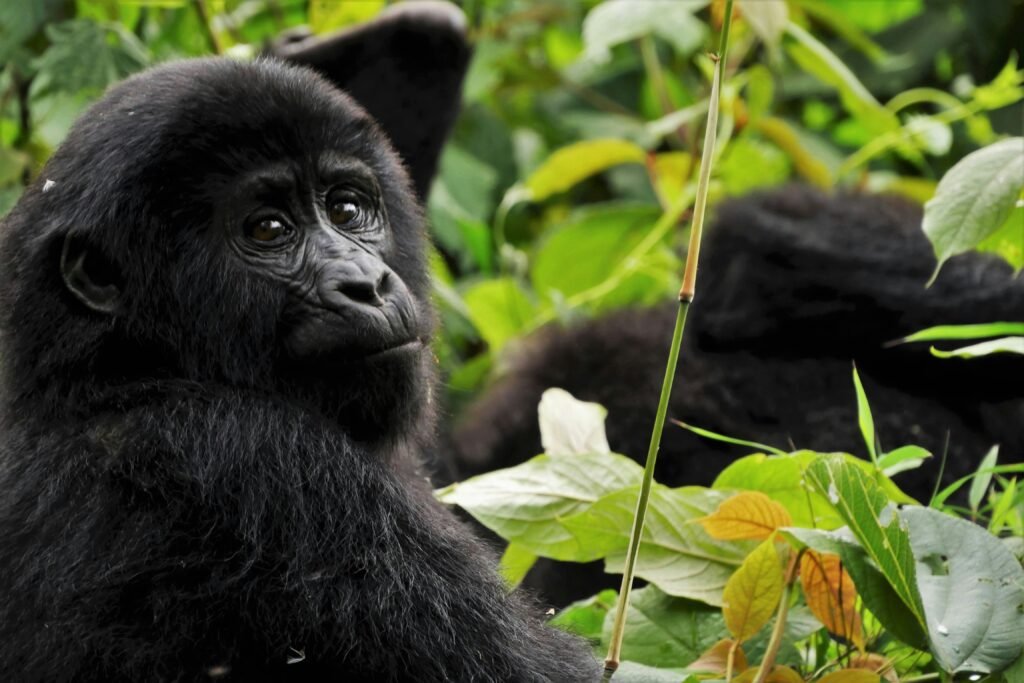
If you are planning gorilla trekking in Uganda, you may have heard travelers talk about different gorilla families. These are groups of mountain gorillas that live together in the forest and are monitored by conservation teams.
Understanding how gorilla families work can help you know what to expect during your trek.
What Is a Gorilla Family?
A gorilla family is a social group of mountain gorillas living together.
The group can include adult males, females, younger gorillas and infants. Their daily activities may include feeding, resting, travelling through the forest and interacting with one another.
The group you see during your trek will be living in its natural environment rather than in a zoo or enclosed wildlife facility.
Where Can You See Gorilla Families in Uganda?
Mountain gorilla trekking in Uganda takes place in Bwindi Impenetrable National Park and Mgahinga Gorilla National Park.
Bwindi has four main trekking sectors: Buhoma, Ruhija, Rushaga and Nkuringo. Mgahinga is part of the Virunga mountain ecosystem.
Your trekking arrangements are connected to a designated entry point and date.
What Does Habituation Mean?
You may also hear the word “habituated” when reading about Uganda’s gorilla families.
Habituation is the process through which gorillas become accustomed to the presence of humans over time.
This does not mean that the gorillas become domesticated or tame. They remain wild animals living in their natural environment.
UWA distinguishes normal gorilla tracking from the Gorilla Habituation Experience, where visitors accompany researchers and habituators as part of the habituation process.
Can You Choose a Gorilla Family?
Travelers should not plan a safari on the assumption that they can simply choose any gorilla family they want to see.
Gorilla tracking is organized according to established UWA procedures, trekking sectors and available permits.
The gorilla family allocated to your group can depend on the arrangements made for your trekking date and sector.
For this reason, it is better to focus on choosing the right trekking sector and building a practical itinerary rather than trying to guarantee a particular family.
Do Gorilla Families Move?
Yes. Gorilla families live in a natural forest environment and move through the forest.
Their location can change, which is one reason tracking them requires experienced guides and trackers.
The purpose of gorilla trekking is not to visit a fixed location where the animals are waiting. The tracking team works to locate the gorillas in their natural habitat.
This makes each trek different.
How Do Trackers Find the Gorillas?
Trackers and guides use their knowledge of the forest and gorilla movements to locate the groups.
The tracking process requires experience because the gorillas are moving animals in a large forest environment.
Your guide may explain signs, sounds or other information that help the team understand where the gorillas have moved.
What Happens When You Find the Family?
Once the gorilla family is located, your group will follow the instructions of the guides.
You will be positioned appropriately and given time to observe the gorillas.
UWA states that normal gorilla tracking provides one hour of observation with a habituated gorilla family.
During this time, you may see the gorillas feeding, resting, moving around or interacting with one another.
Will You See the Same Family Again?
Gorilla trekking is a wildlife experience, so every visit is different.
Even if you return to the same sector, the experience can change because the gorillas are living in their natural environment.
Their behaviour, location, weather and forest conditions can all affect what you see.
This is part of what makes wildlife experiences different from visiting a controlled attraction.
Why Are Gorilla Families Important for Conservation?
Monitoring gorilla families provides important information for conservation.
Rangers, researchers and conservation teams monitor the animals and their environment. This helps support the management and protection of the gorillas.
UWA’s recent conservation work includes population monitoring and census activities in Bwindi. The 2025 census work also examined chimpanzees across all four Bwindi sectors, showing the importance of continued scientific monitoring of the forest ecosystem.
How Should Visitors Behave Around a Gorilla Family?
Visitors should follow the instructions of their guides throughout the encounter.
Keep the required distance, remain calm, avoid unnecessary noise and do not attempt to touch the animals.
You should also avoid disturbing the gorillas simply to get a better photograph.
The goal is to observe the animals while minimizing disturbance to their natural behaviour.
Plan Your Gorilla Trekking Experience
Gorilla families are at the heart of the Uganda gorilla trekking experience, but they should always be viewed as wild animals rather than an attraction that can be controlled.
Your trekking sector, permit, accommodation and transport all need to work together.
If you are planning gorilla trekking in Uganda, Menlyn Tours & Travel can help organize your permit arrangements, accommodation, transport and wider safari itinerary.