- DIRECT CONTACTS:
- +256 766 009 702
- +256 772 166 444
- info@menlyntours.com

How Travelers Can Help Local Communities
How Travelers Can Help Local Communities
Travel can create opportunities for communities, but the way visitors travel also matters.
Responsible tourism means thinking about how your trip affects local people, cultural heritage, wildlife and the environment. In Uganda, travelers can make simple choices that help support the places they visit.
Choose Local Services
Where possible, consider using local guides, accommodation providers, restaurants, drivers and community tourism businesses.
Local businesses can help tourism income remain within the destination.
Ask your tour operator how different services are organized and whether local businesses are involved.
Respect Local Culture
Every community has its own traditions and customs.
Before taking part in a cultural activity, listen to the explanation from your guide and follow local rules.
Do not assume that something is acceptable simply because it is part of a tourism experience.
Ask Before Taking Photographs
Photography is one of the easiest areas where travelers can show respect.
Ask before photographing people, especially during private activities, ceremonies and community visits.
If someone says no, accept their decision.
Buy Local Crafts
Buying locally made crafts can be a way to support artisans.
Look for products made by local craftspeople rather than mass-produced items that are simply sold as souvenirs.
Ask about the product and its origin when possible.
Barkcloth is one example of Uganda’s recognized cultural heritage, with UNESCO listing barkcloth making as Intangible Cultural Heritage of Humanity.
Respect Cultural Sites
Historical and cultural sites should be treated carefully.
Do not remove objects, write on walls, climb structures or touch fragile materials unless permitted.
Some heritage sites also have spiritual importance, so follow your guide’s instructions.
Avoid Giving Money Directly to Children
Travelers sometimes want to help children they meet during a trip.
However, giving money, sweets or gifts directly to children can create unintended problems.
If you want to support a community, ask your tour operator about established community projects or organizations where your contribution can be used appropriately.
Reduce Plastic Waste
Simple environmental choices also matter.
Carry a reusable water bottle where practical, avoid unnecessary single-use plastic and keep rubbish with you until it can be disposed of properly.
Never leave waste in forests, national parks or around lakes.
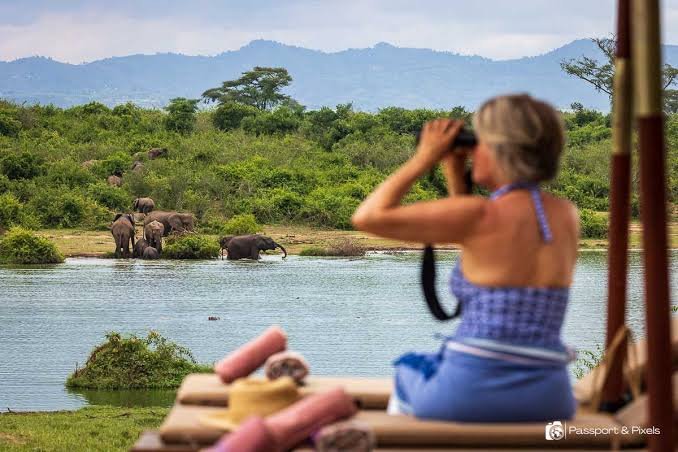
Respect Wildlife
Responsible tourism also applies to wildlife.
Follow your guide’s instructions during game drives, boat trips and gorilla trekking.
Do not feed wild animals, chase animals for photographs or pressure guides to get closer to wildlife.
The goal is to observe animals without unnecessarily disturbing them.
Support Community Tourism
Community tourism can create opportunities for local people to earn income from guiding, crafts, food, accommodation and cultural activities.
When booking an experience, ask who provides the service and how the community participates.
A well-organized experience should respect local people and give them a meaningful role.
Travel With an Open Mind
Responsible tourism is not only about avoiding negative behaviour.
It is also about learning.
Ask questions, listen to local people and understand that your destination may have customs and ways of life that are different from your own.
The more you learn, the more meaningful your trip can become.
Leave More Than Photographs
A responsible traveler thinks about what their visit leaves behind.
Respect the environment, support local businesses, protect cultural heritage and treat people with dignity.
These simple choices can help tourism remain a positive part of Uganda’s future.
Menlyn Tours & Travel can help you plan a Uganda trip that combines wildlife, cultural experiences, local communities and responsible travel practices.