- DIRECT CONTACTS:
- +256 766 009 702
- +256 772 166 444
- info@menlyntours.com

Traditional Crafts in Uganda
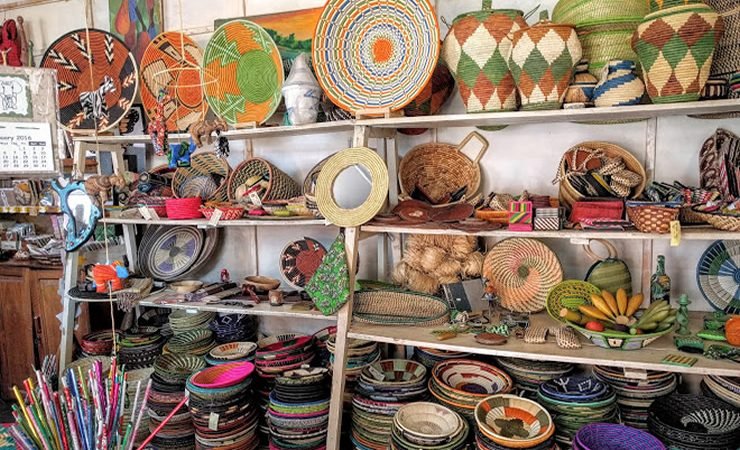
Traditional Crafts in Uganda
Traditional crafts are an important part of Uganda’s cultural heritage. Across the country, artisans create products using skills and materials that have been passed down through generations.
For travelers, discovering traditional crafts can be an opportunity to meet local makers, learn about cultural traditions and find meaningful souvenirs.
Basket Weaving
Basket weaving is one of the crafts visitors may encounter during cultural experiences in Uganda.
Baskets can be made using locally available plant materials and may be used for practical purposes or sold as decorative products.
When visiting a craft group, ask about how the materials are collected and how long it takes to make a particular product.
Barkcloth Making
Barkcloth is one of Uganda’s most significant traditional crafts.
UNESCO recognizes barkcloth making in Uganda as Intangible Cultural Heritage of Humanity.
The craft is associated with the Baganda people and involves processing the inner bark of the Mutuba tree.
Pottery
Pottery has long been used in communities for practical and cultural purposes.
Traditional pottery can include cooking vessels, storage containers and decorative objects.
A pottery experience can give travelers an opportunity to see how local materials are transformed into useful products.
Wood Carving
Wood carving is another craft that travelers may encounter in markets and cultural centres.
Carved objects can include household items, decorative pieces and artwork.
If buying wooden products, consider asking about the material and whether the product is legally and responsibly sourced.
Beadwork and Jewellery
Beads are used to create necklaces, bracelets, decorations and other products.
Different communities may use different styles, colours and designs.
Purchasing directly from local artisans can provide support for small businesses.
Textiles and Handmade Products
Uganda also has artisans working with fabrics and other materials to create clothing, bags and decorative products.
Some products combine traditional inspiration with modern designs.
This makes Ugandan crafts suitable for travelers looking for souvenirs that can also be used at home.
Why Buy Local Crafts?
Buying from local artisans can help support their work and preserve traditional skills.
However, it is useful to ask questions about where a product was made and who produced it.
The aim is to support genuine local craftsmanship rather than buying products that simply look traditional.
Bargaining Respectfully
In some markets, bargaining may be part of the shopping experience.
If you bargain, remember that the person selling the product is also running a business.
A fair conversation is better than trying to reduce the price to an amount that makes the artisan’s work undervalued.
Crafts as Cultural Stories
A handmade product can carry a story about the community that produced it.
Ask your guide or the artisan about the meaning of the design, materials or production method.
This can make the souvenir more meaningful than simply purchasing something without knowing its background.
Add Crafts to Your Cultural Experience
Traditional crafts can easily be included in a Kampala city tour, community visit or wider Uganda safari.
They offer travelers a practical way to connect with Ugandan culture and support local skills.
Menlyn Tours & Travel can help include cultural experiences and community visits in your Uganda itinerary.