- DIRECT CONTACTS:
- +256 766 009 702
- +256 772 166 444
- info@menlyntours.com

What Is Ugandan Hospitality Like?
What Is Ugandan Hospitality Like?
One of the things many travelers notice when visiting Uganda is the importance of welcoming visitors.
Hospitality can be seen in the way people greet each other, share meals, help visitors and interact with guests. However, Uganda is culturally diverse, so the way hospitality is expressed can vary between communities.
What Does Hospitality Mean in Uganda?
Hospitality is about more than providing a hotel room or serving food.
It can include greeting visitors, offering help, sharing a meal and making someone feel welcome in a new environment.
During a Uganda trip, these simple interactions can become some of the most memorable parts of the journey.
Greetings Matter
A greeting is often an important part of starting a conversation.
When you meet your guide, lodge staff or community members, take a moment to greet them before asking questions.
Your guide can teach you simple words in the local language.
Even a basic greeting can show that you are interested in the people and culture of the place you are visiting.
Sharing Food
Food is often connected with hospitality.
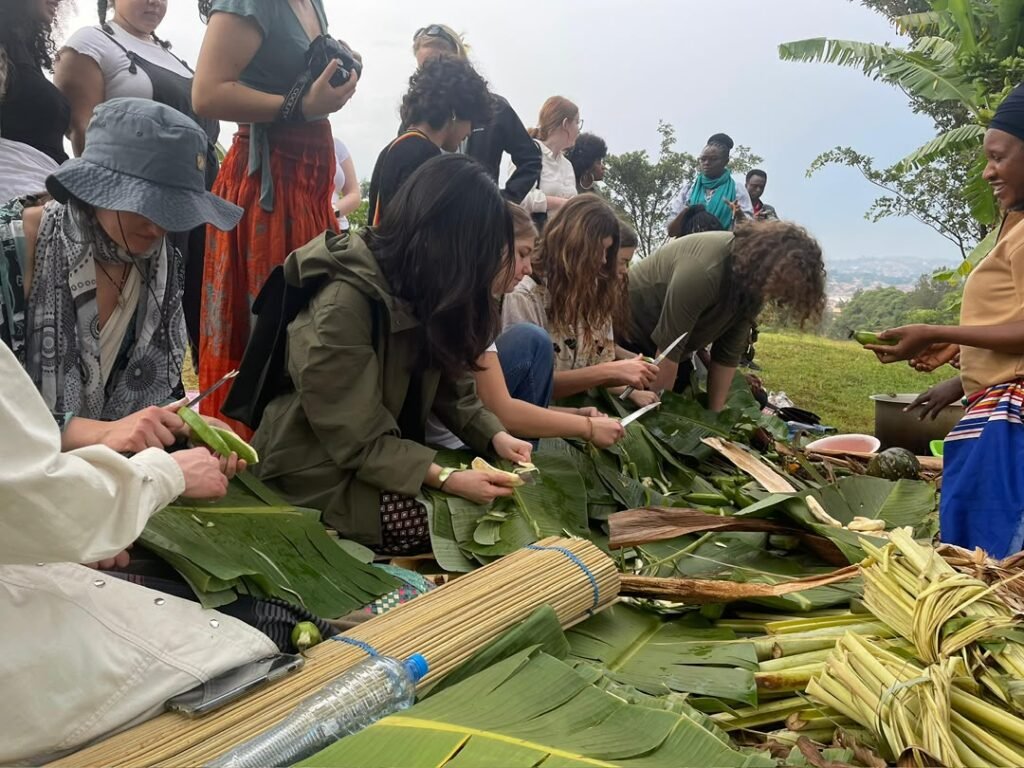
During a cultural experience, you may be offered local food or invited to learn about how a meal is prepared.
You do not have to eat something you cannot have, particularly if you have an allergy or dietary restriction.
Politely explaining your situation is enough.
Conversations With Local People
Ugandan hospitality can also be experienced through conversations.
You may speak with your guide during a long safari drive, talk with lodge staff or meet people during a community experience.
These conversations can help you learn about everyday life, travel, food, farming and local traditions.
Guides Are Part of the Experience
Your safari guide is often one of the people you spend the most time with during a Uganda trip.
Beyond driving and wildlife viewing, your guide can explain the landscapes, communities and cultures you encounter along the way.
If you are interested in culture, tell your guide. They may be able to suggest appropriate places to visit or explain traditions you encounter.
Respect Goes Both Ways
Travelers should not expect local people to behave according to stereotypes.
Uganda is a modern country with cities, businesses, universities, technology and diverse lifestyles alongside traditional practices.
A respectful traveler understands that cultural traditions exist alongside contemporary life.
Be Curious, Not Intrusive
Asking questions can be a great way to learn, but travelers should also respect personal boundaries.
Do not ask deeply personal questions simply because you are curious.
If someone does not want to answer, accept their decision.
Hospitality During a Safari
Hospitality is not limited to cultural tours.
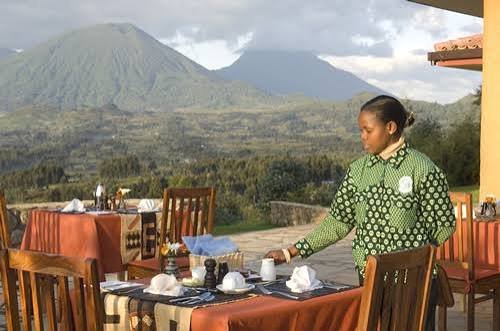
You may experience it at safari lodges, hotels, restaurants, camps and community projects.
The people working in these places can contribute greatly to how comfortable you feel during your journey.
Appreciate the Small Moments
Sometimes the most memorable cultural experiences are not planned.
A conversation with a guide, learning a local word, sharing a meal or hearing a story during a long drive can become an important part of your trip.
These moments give you a chance to experience Uganda through its people.
Experience Uganda Through Its People
Ugandan hospitality is not one single tradition. It is expressed differently by individuals and communities across the country.
Travelers who arrive with curiosity and respect are more likely to appreciate these everyday interactions.
If you want to include meaningful cultural experiences in your Uganda safari, Menlyn Tours & Travel can help you plan an itinerary that combines wildlife, nature, food and local experiences.