- DIRECT CONTACTS:
- +256 766 009 702
- +256 772 166 444
- info@menlyntours.com

30 Mind-Blowing Facts About Uganda That Will Make You Want to Visit
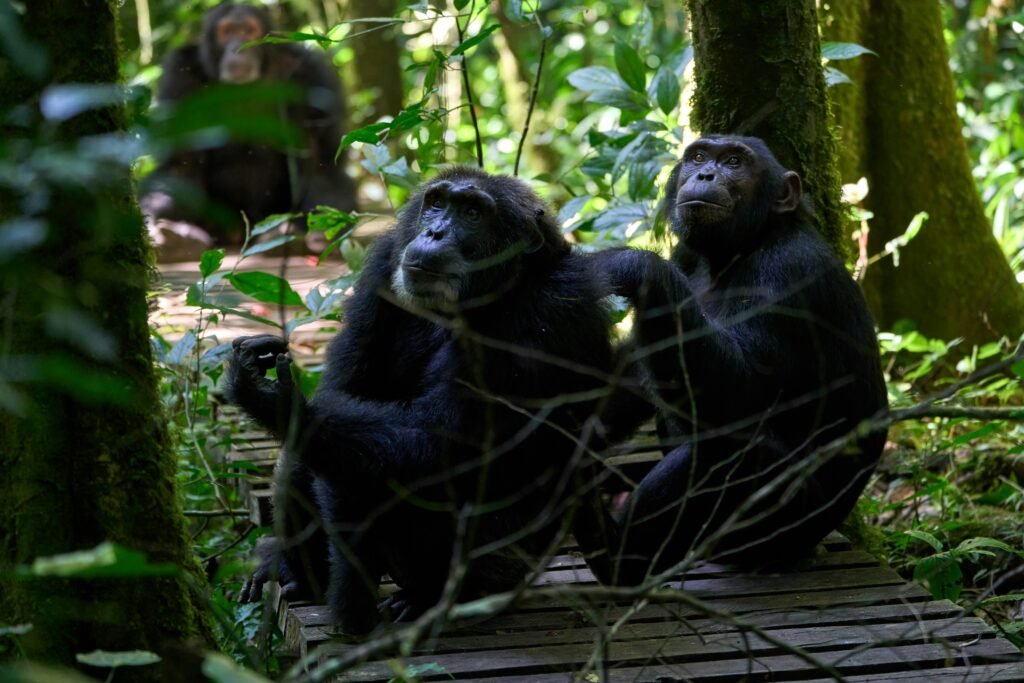
Uganda, famously known as the Pearl of Africa, is one of Africa’s most fascinating travel destinations. From mountain gorillas and chimpanzees to the source of the Nile, snow-capped mountains, spectacular waterfalls, diverse cultures, and incredible wildlife, Uganda offers an amazing variety of experiences.
Whether you are planning your first Uganda safari, looking for a gorilla trekking adventure, or simply curious about this beautiful East African country, these 30 facts about Uganda will show you why it deserves a place on your travel list.
1. Uganda Is Home to More Than Half of the World’s Mountain Gorillas
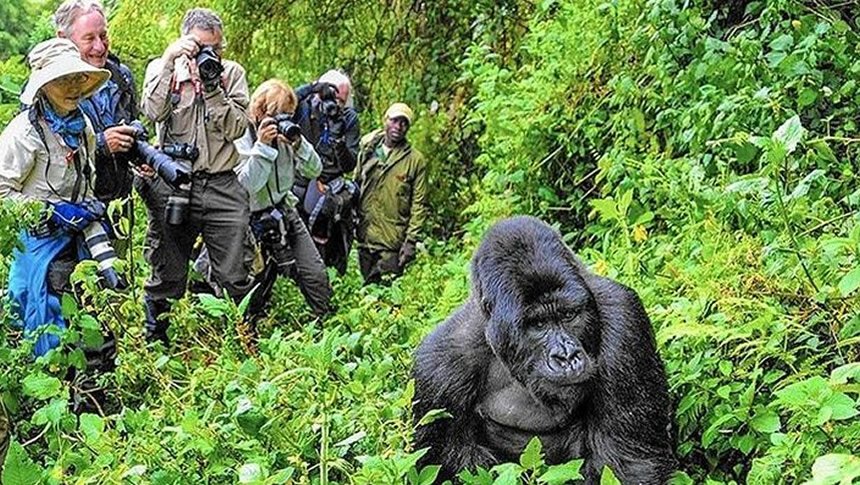
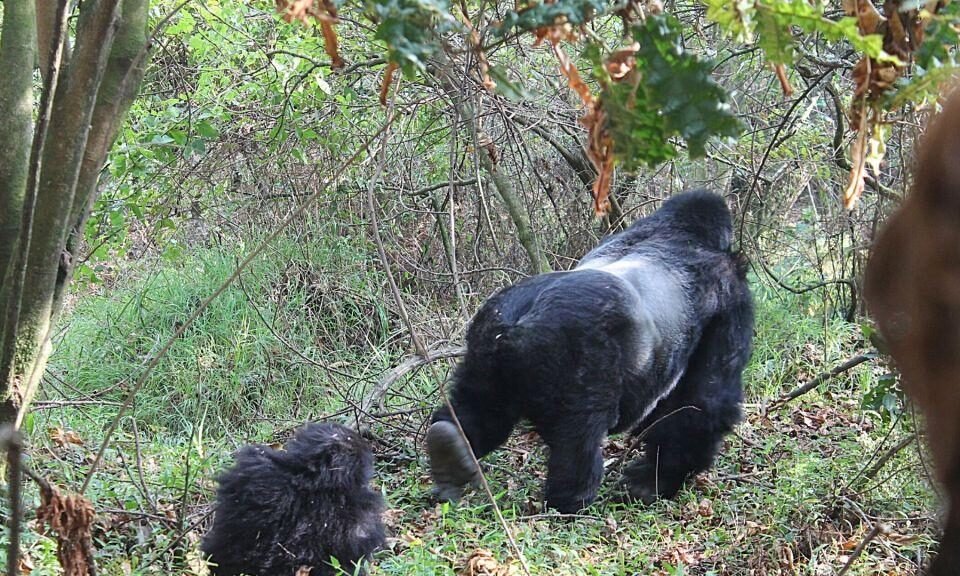
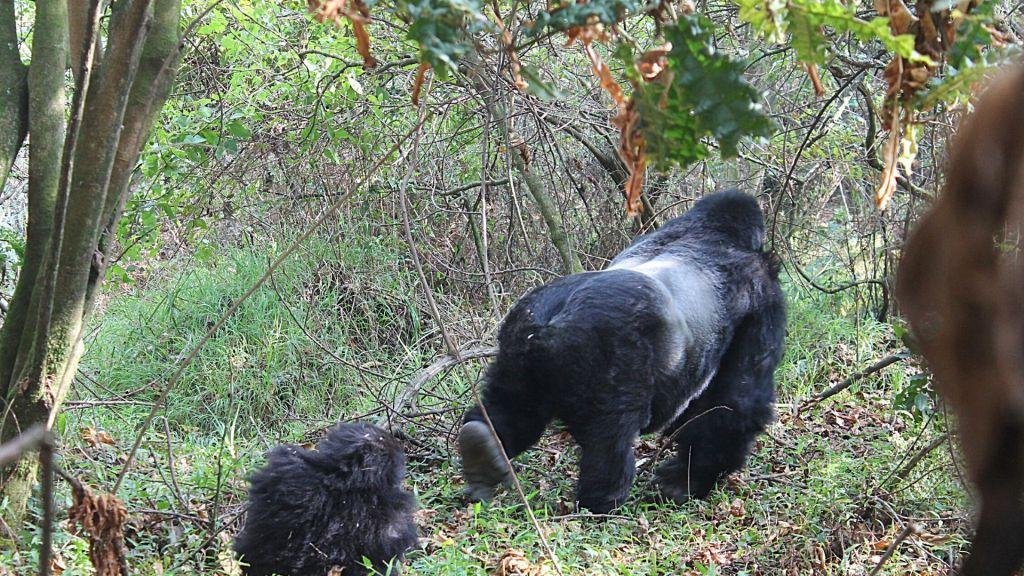
Uganda is one of only three countries where mountain gorillas can be seen in the wild. Bwindi Impenetrable National Park is home to a significant portion of the world’s remaining mountain gorilla population, making Uganda one of the leading destinations for gorilla trekking.
Visitors can spend time in the forest with a habituated gorilla family while learning about these remarkable animals and the conservation efforts protecting them.
If gorilla trekking is on your bucket list, explore our Uganda gorilla trekking safaris to see how you can include this experience in your itinerary.
2. The Nile River Flows Through Uganda
The River Nile is one of the world’s most famous rivers, and Uganda is an important part of its journey. At Jinja, the Nile flows out of Lake Victoria and continues its journey northwards through Uganda.
Jinja has become a popular destination for adventure travellers, offering activities such as white-water rafting, kayaking, boat trips, and other experiences along the Nile.
3. Uganda Has 10 National Parks
Uganda has 10 national parks, each offering a different combination of landscapes, wildlife, and activities.
From the savannah landscapes of Murchison Falls and Queen Elizabeth National Parks to the tropical forests of Bwindi and Kibale, Uganda allows travellers to experience very different environments within one country.
This diversity makes it possible to create a safari based on your interests, whether you prefer wildlife, primates, hiking, bird watching, or cultural experiences.
4. Uganda Is a Birdwatcher’s Paradise
Uganda is home to more than 1,000 recorded bird species, making it one of Africa’s attractive destinations for birdwatching.
Its forests, wetlands, lakes, rivers, mountains, and savannahs provide habitats for an incredible variety of birds.
One of the country’s most famous birds is the shoebill, a large and unusual-looking bird that is high on the wish list of many birdwatchers visiting Uganda.
5. You Can See the Big Five in Uganda
Uganda offers opportunities to see Africa’s famous Big Five: lions, elephants, leopards, buffaloes, and rhinos.
Rhino tracking can be experienced at Ziwa Rhino Sanctuary, while the other Big Five can be encountered in Uganda’s national parks and wildlife areas.
A carefully planned itinerary can therefore combine wildlife viewing with primate experiences such as chimpanzee and gorilla trekking.
6. Lions Climb Trees in Uganda
One of Uganda’s most fascinating wildlife experiences can be found in the Ishasha Sector of Queen Elizabeth National Park, where lions are known for climbing and resting in trees.
Seeing lions relaxing above the ground is an unusual sight and can be a memorable highlight of a Uganda safari.
7. Snow Exists Near the Equator
It may sound surprising, but Uganda has snow and glaciers on the high peaks of the Rwenzori Mountains.
Also known as the Mountains of the Moon, the Rwenzori range rises dramatically in western Uganda and offers some of East Africa’s most spectacular mountain scenery.
For adventurous travellers, the Rwenzori Mountains provide opportunities for challenging multi-day hiking and mountaineering experiences.
8. Uganda Is Home to the Powerful Murchison Falls
At Murchison Falls, the Nile River is forced through a narrow gorge before plunging over the rocks below.
The combination of powerful water, dramatic scenery, and surrounding wildlife makes the falls one of Uganda’s most impressive natural attractions.
A safari to Murchison Falls can also include game drives and a boat cruise along the Nile.
9. Uganda Is Known as the Pearl of Africa
Uganda is famously known as the Pearl of Africa.
The nickname became internationally associated with Uganda after British statesman and writer Winston Churchill described the country’s natural beauty, landscapes, wildlife, and rich potential in his writings.
Today, the name remains strongly connected with Uganda’s tourism identity.
10. Uganda Shares Lake Victoria
Uganda is home to part of Lake Victoria, the largest lake in Africa by surface area and one of the world’s largest freshwater lakes.
The lake is shared by Uganda, Kenya, and Tanzania and plays an important role in the country’s environment, fishing communities, transportation, agriculture, and tourism.
Travellers can enjoy lake experiences in several parts of Uganda, including around Entebbe and the Ssese Islands.
11. Uganda Has More Than 50 Ethnic Groups
Uganda is culturally diverse, with more than 50 ethnic communities and numerous languages.
Each community has its own traditions, music, dance, food, customs, and cultural practices.
This diversity means that a trip through Uganda can offer much more than wildlife. Travellers can also experience local communities, traditional foods, cultural performances, historical sites, and community-based tourism.
For more ideas, explore our guide to Top Cultural Experiences in Uganda.
12. Uganda Is Known for Its Hospitality
Uganda is widely known for the warmth and friendliness of its people.
From safari guides and lodge staff to local communities and city residents, visitors often encounter welcoming interactions throughout their journey.
For many travellers, meeting Ugandan people and experiencing everyday life becomes just as memorable as seeing wildlife.
13. Chimpanzees Share Most of Their DNA With Humans
Chimpanzees are among our closest living relatives, sharing approximately 98–99% of their DNA with humans, depending on how genetic similarity is measured.
Uganda is an excellent destination for observing chimpanzees in their natural environment, particularly in Kibale National Park, which is famous for its high diversity and population of primates.
Chimpanzee trekking can be combined with gorilla trekking and traditional wildlife safaris to create a broader primate adventure.
14. Uganda Has More Than 300 Mammal Species
Uganda’s forests, wetlands, mountains, lakes, and savannahs support a remarkable variety of mammals.
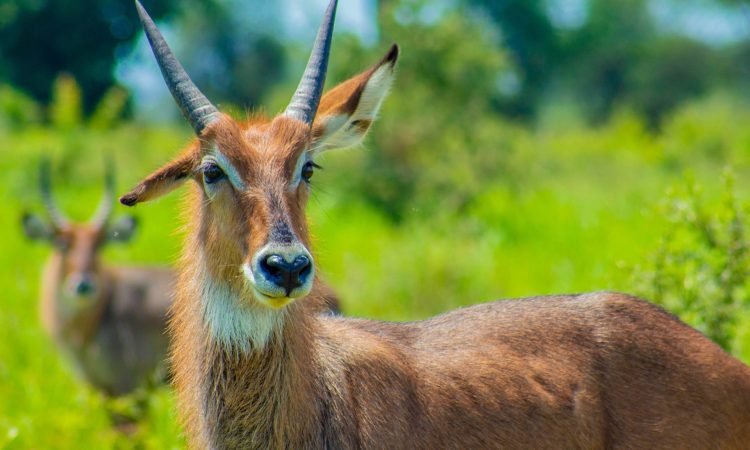
Visitors may encounter elephants, lions, leopards, buffaloes, giraffes, hippos, chimpanzees, gorillas, antelopes, monkeys, and many other species.
This diversity is one of the reasons Uganda works so well for travellers who want to combine different wildlife experiences in one trip.
15. The Equator Passes Through Uganda
One of Uganda’s most popular landmarks is the Equator, which crosses the country.
Travellers can stop at the Equator for photographs, visit souvenir shops, enjoy local experiences, and learn about the geographical significance of the line separating the Northern and Southern Hemispheres.
An Equator stop can easily be included in some Uganda safari itineraries, particularly journeys between Kampala or Entebbe and western Uganda.
16. Uganda Is Famous for Coffee
Coffee is an important part of Uganda’s agricultural economy and tourism experience.
Uganda produces both Robusta and Arabica coffee, with coffee-growing regions found across different parts of the country.
Travellers can visit coffee farms and experiences to learn how coffee is planted, harvested, processed, roasted, and prepared.
For coffee lovers, a farm visit can be an excellent way to experience Uganda beyond traditional wildlife tourism.
17. Uganda Is an Adventure Destination
Uganda offers plenty for travellers who enjoy adventure.
In Jinja, visitors can experience activities such as white-water rafting and kayaking on the Nile. The country also offers hiking, mountain climbing, nature walks, cycling, boat activities, and other outdoor experiences.
This makes Uganda suitable for travellers who want more than traditional game drives.
18. Lake Bunyonyi Is Surrounded by Beautiful Hills
Lake Bunyonyi is one of Uganda’s most scenic destinations.
The lake is surrounded by rolling green hills and dotted with numerous islands, creating a peaceful landscape that is ideal for relaxation.
Many travellers visit Lake Bunyonyi after gorilla trekking in Bwindi, making it a wonderful place to rest after a physically demanding forest experience.
19. Uganda Has Volcanic Mountains
Southwestern Uganda is part of the greater Virunga volcanic region.
The mountains around Mgahinga Gorilla National Park provide spectacular scenery and are home to mountain gorillas and golden monkeys.
For travellers who enjoy hiking and primate experiences, the region offers opportunities to combine wildlife with mountain scenery and cultural experiences.
20. Uganda Is Home to the Shoebill
The shoebill is one of Africa’s most distinctive birds.
Its enormous bill, tall body, and prehistoric appearance make it one of the most sought-after birds for birdwatchers.
Uganda offers several opportunities to search for shoebills in suitable wetland habitats, making the country particularly attractive to serious birding enthusiasts.
21. Uganda Has Incredible Butterfly Diversity
Uganda’s tropical forests and varied ecosystems support a remarkable range of butterflies.
Kibale Forest, Bwindi, Semuliki, and other forest environments provide excellent habitats for butterflies and other insects.
For nature lovers, this adds another fascinating layer to Uganda’s biodiversity beyond the larger animals most visitors come to see.
22. The Kazinga Channel Is Famous for Hippos
The Kazinga Channel connects Lake Edward and Lake George in Queen Elizabeth National Park.
A boat cruise along the channel provides an excellent opportunity to see hippos, crocodiles, elephants, buffaloes, waterbirds, and other wildlife.
The cruise is one of the highlights of a Queen Elizabeth National Park safari because it allows travellers to experience wildlife from the water.
23. Uganda Has Many Spectacular Waterfalls
Murchison Falls may be the country’s most famous waterfall, but it is not the only one.
Travellers can also explore destinations such as Sipi Falls and Sezibwa Falls, each offering a different landscape and experience.
Sipi Falls is particularly popular with travellers interested in hiking, coffee experiences, photography, and scenic views.
24. Uganda Combines Wildlife and Primates
One of Uganda’s greatest advantages as a safari destination is the ability to combine several types of wildlife experiences.
A single itinerary can include gorilla trekking in Bwindi, chimpanzee trekking in Kibale, game drives in Queen Elizabeth National Park, and a boat cruise on the Kazinga Channel.
This combination makes Uganda particularly attractive to travellers who want a diverse African adventure rather than focusing on one experience.
25. Uganda Has a Rich Cultural Heritage
Uganda’s cultural diversity extends beyond languages and ethnic groups.
Travellers can explore traditional kingdoms, historical sites, local markets, traditional foods, music, dance, crafts, community experiences, and cultural villages.
Experiences such as the Kasubi Tombs, Kabaka’s Palace, Batwa cultural experiences, Ewaffe Cultural Village, and local food experiences can help visitors understand Uganda beyond its national parks.
26. Every National Park Offers Something Different
One of the best things about travelling through Uganda is that its national parks are not all the same.
Murchison Falls offers powerful waterfalls and savannah wildlife. Queen Elizabeth combines diverse wildlife with the Kazinga Channel. Kibale is famous for primates, while Bwindi offers unforgettable gorilla trekking experiences.
This variety allows travellers to build an itinerary around their personal interests.
27. Uganda Has Lush Green Landscapes
Uganda’s tropical climate, lakes, rivers, forests, mountains, wetlands, and fertile soils contribute to its famously green landscapes.
Travelling between destinations can therefore be an attraction in itself.
The countryside is filled with farms, hills, forests, plantations, villages, and changing scenery, giving visitors an opportunity to experience Uganda beyond its tourist attractions.
28. You Can Trek Gorillas and Golden Monkeys
In Mgahinga Gorilla National Park, travelers can experience both mountain gorilla trekking and golden monkey trekking.
Golden monkeys are an endangered primate species found in the Virunga region.
Combining the two experiences can be particularly rewarding for travelers interested in primates and mountain ecosystems.
29. Uganda Offers Different Safari Styles and Budgets
Uganda is not limited to expensive luxury safaris.
Travelers can choose from budget, mid-range, and luxury safari experiences, depending on their accommodation preferences, transportation, activities, and overall travel budget.
A well-designed safari can therefore be customized for backpackers, couples, families, groups, honeymooners, photographers, and luxury travellers.
The important thing is to create a realistic itinerary that matches your budget rather than simply choosing a package based on its advertised price.
30. One Trip to Uganda Is Never Enough
With gorillas, chimpanzees, elephants, lions, mountains, lakes, rivers, waterfalls, forests, cultures, food, adventure, and welcoming communities, Uganda offers an enormous variety of experiences.
You could visit Uganda for gorilla trekking and return wanting to explore Murchison Falls. You could come for wildlife and later discover that you want to experience the country’s culture, coffee, mountains, or adventure activities.
That is part of what makes Uganda such an exciting destination.
Why Uganda Should Be Your Next Adventure
Uganda is much more than a safari destination. It is a country where wildlife, culture, adventure, landscapes, and local communities come together to create a diverse travel experience.
You can spend one day watching mountain gorillas in the misty forests of Bwindi, another cruising along the Nile, another searching for chimpanzees in Kibale, and another exploring Uganda’s cultural heritage.
The best part is that your trip does not have to look like anyone else’s.
At Menlyn Tours & Travel, we help travellers create tailor-made Uganda safari experiences based on their travel dates, budget, interests, group size, accommodation preferences, and available time.
Whether you are interested in Uganda safari packages, gorilla trekking, chimpanzee trekking, wildlife safaris, cultural experiences, adventure activities, airport transfers, accommodation, or other travel arrangements, we can help you put the pieces together.
Frequently Asked Questions About Uganda
What is Uganda famous for?
Uganda is famous for mountain gorilla trekking, chimpanzees, wildlife safaris, the River Nile, Murchison Falls, the Rwenzori Mountains, Lake Victoria, rich cultural heritage, and its diverse landscapes.
Why is Uganda called the Pearl of Africa?
Uganda is known as the Pearl of Africa because of its natural beauty, diverse landscapes, wildlife, fertile countryside, pleasant climate, and rich cultural heritage.
Is Uganda good for a safari?
Yes. Uganda is an excellent safari destination for travellers interested in wildlife, primates, birdwatching, landscapes, adventure, and cultural experiences.
Can I see gorillas and chimpanzees in Uganda?
Yes. Gorilla trekking is available in Bwindi Impenetrable National Park and Mgahinga Gorilla National Park, while chimpanzee trekking is particularly popular in Kibale National Park.
How many days do I need to visit Uganda?
The ideal length depends on your interests. A short three- to five-day trip can focus on one or two experiences, while seven to fourteen days allows you to combine several destinations and activities.
Is Uganda suitable for first-time safari travellers?
Yes. Uganda can be suitable for first-time safari travellers because itineraries can be customized around different budgets, interests, accommodation levels, and travel durations.
What is the best time to visit Uganda?
Uganda can be visited throughout the year. The best period depends on the activities you want to do, your preferred weather conditions, and your travel plans.
Can I combine a Uganda safari with cultural experiences?
Absolutely. Wildlife experiences can be combined with Kampala city tours, cultural villages, traditional food experiences, community visits, coffee experiences, historical sites, and other cultural activities.
How can I book a Uganda safari with Menlyn Tours & Travel?
You can contact Menlyn Tours & Travel with your preferred travel dates, number of travellers, budget, and the experiences you would like to have. We can then help design a safari itinerary around your needs.
Start Your Uganda Adventure With Menlyn Tours & Travel
Uganda is waiting to be explored, and your adventure can be designed around what matters most to you.
Whether you want to stand before a mountain gorilla, search for lions on the savannah, cruise along the Nile, trek chimpanzees, hike through the mountains, experience Ugandan culture, or simply discover the beauty of the Pearl of Africa, Menlyn Tours & Travel can help you plan it.
Ready to discover Uganda?
Contact Menlyn Tours & Travel to discuss your travel plans and request a personalized safari quotation.
You can also visit Menlyn Tours & Travel to explore our Uganda safari packages and other travel services.
Don’t just visit Uganda. Experience the Pearl of Africa.