- DIRECT CONTACTS:
- +256 766 009 702
- +256 772 166 444
- info@menlyntours.com

Uganda Safari Vacations
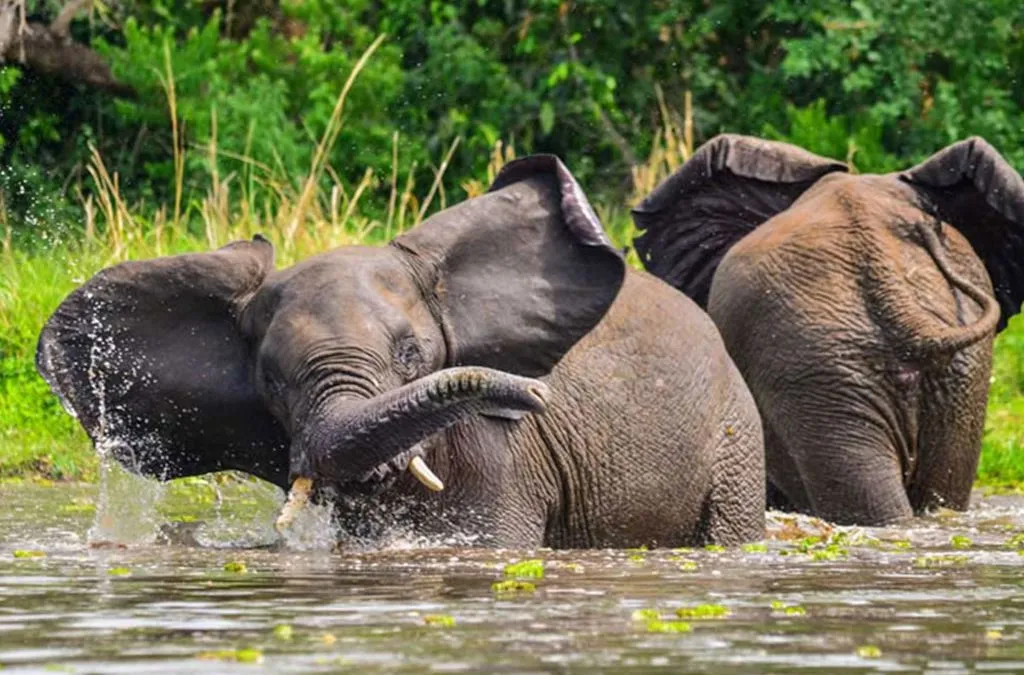
Uganda Safari Vacations. Uganda has quietly become one of the most rewarding safari destinations on the planet, and it’s not hard to see why. Where else can you track mountain gorillas through misty rainforest in the morning, watch tree-climbing lions doze over acacia branches by afternoon, and end the day drifting down the Nile past snorting hippos and basking crocodiles? Winston Churchill called Uganda the “Pearl of Africa” over a century ago, and the description still fits. If you’re weighing a Uganda safari vacation, here’s what makes the country special, what it costs, and how to plan a trip that actually matches how you like to travel.
Why Uganda Belongs on Your Safari Shortlist
Uganda packs an extraordinary range of ecosystems into a relatively small footprint: savannah plains, volcanic highlands, glacier-capped mountains, and some of Africa’s last great rainforests all sit within a few hours’ drive of each other. That density means shorter transfer times between very different experiences, which is a real advantage over larger safari countries where you might spend entire days in transit.
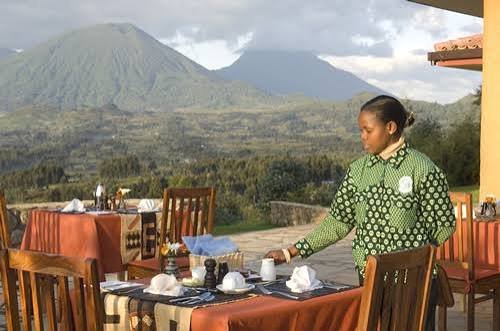
It’s also a country built around primates. Uganda is home to roughly half of the world’s remaining mountain gorillas, alongside healthy populations of chimpanzees, golden monkeys, and eleven other primate species. Add over 1,000 recorded bird species, tree-climbing lions in Queen Elizabeth National Park, and the thundering Murchison Falls, and you have a country that rewards travelers who want more than a standard game drive. At Menlyn Tours, we build itineraries around this variety rather than forcing you to choose just one side of Uganda.
Gorilla Trekking: The Signature Experience
For most visitors, gorilla trekking is the reason Uganda makes the shortlist in the first place. Trekking happens in two parks in the country’s southwest: Bwindi Impenetrable National Park, which holds the vast majority of habituated gorilla families across four trekking sectors, and the smaller Mgahinga Gorilla National Park near the Rwanda and Congo borders.
A trek begins with an early-morning ranger briefing, followed by a guided hike through dense forest that can last anywhere from thirty minutes to several hours depending on where the gorilla family has moved overnight. Once you find them, you’re granted a strictly enforced one hour in their presence — an encounter most travelers describe as the highlight of their entire trip.
Permits are issued exclusively by the Uganda Wildlife Authority (UWA), the government body responsible for managing the country’s national parks, and they are tightly capped to protect the gorillas. As of 2026, standard gorilla permits cost $800 per person for foreign non-residents, with a discounted rate of around $600 during the low-season months of April, May, and November. Travelers wanting a deeper experience can book the Gorilla Habituation Experience, which allows up to four hours with a semi-habituated family, though UWA raised this fee to $1,800 for foreign non-residents effective July 2026.
Because permits are limited and demand is high, especially during the June–September and December–February peak seasons, booking three to six months ahead is strongly advised. Our Uganda gorilla trekking packages handle permit reservations, park logistics, and lodge bookings so you don’t have to navigate UWA’s booking system alone.
Beyond Gorillas: Uganda’s Wildlife Parks
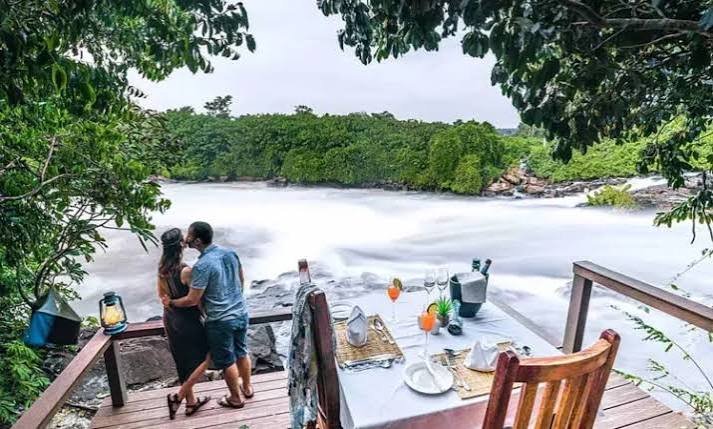
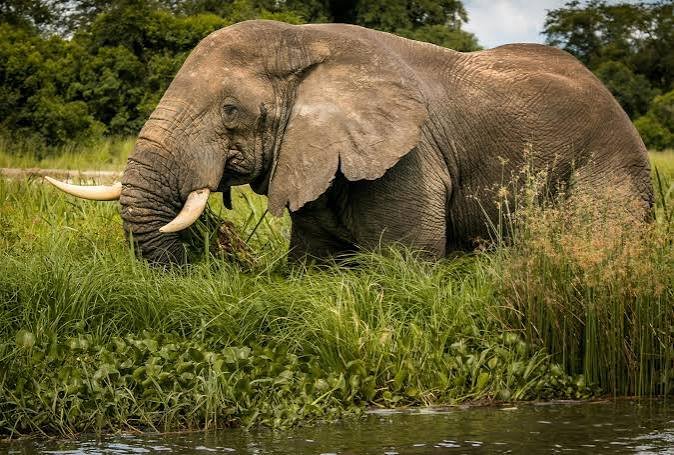
Gorillas may draw the headlines, but Uganda’s national parks offer a full classic-safari experience too. Queen Elizabeth National Park, in the west, is famous for its Ishasha sector’s tree-climbing lions, along with elephants, buffalo, and hippo-filled channels best explored by boat cruise on the Kazinga Channel. Murchison Falls National Park, Uganda’s largest, centers on the point where the entire Nile River is forced through a seven-meter gorge before crashing into a thunderous waterfall — a dramatic contrast to the calm game drives and river cruises found elsewhere in the park.
For a quieter, more remote experience, Kidepo Valley National Park in the far northeast is often cited by safari veterans as one of Africa’s most underrated parks, with dramatic mountain backdrops and wildlife including cheetahs and ostriches rarely found elsewhere in Uganda. Meanwhile, Kibale Forest National Park is the country’s premier destination for chimpanzee tracking, home to one of the highest densities of primates in Africa.
Combining two or three of these parks into a single itinerary is common and efficient, given Uganda’s compact geography. Our tailor-made safari itineraries typically link gorilla trekking in the southwest with a Queen Elizabeth or Murchison Falls wildlife circuit, giving you both primates and classic game viewing in one trip.
When to Go
Uganda sits on the equator, so temperatures stay fairly consistent year-round; what changes is rainfall. The two dry seasons — December to February and June to September — offer the easiest hiking conditions for gorilla trekking and the best game viewing, since animals cluster around water sources and dried-out trails make forest walks less strenuous. These months are also, unsurprisingly, the busiest and most expensive for permits and lodges.
The wetter months of March to May and October to November bring lush scenery, fewer crowds, and, as noted above, discounted gorilla permits. Trails are muddier and trekking is more physically demanding, but birdwatchers in particular tend to prefer this period, since migratory species are present and the forest is at its most vibrant.
What a Uganda Safari Costs
Budgeting for Uganda comes down to three main line items: park and permit fees, accommodation, and transport. The gorilla permit itself is a fixed government fee, currently $800 per person in peak months, and it is non-negotiable regardless of which operator books it for you. Accommodation varies widely, from simple tented camps to luxury lodges overlooking the forest, and most travelers land somewhere in between. Add domestic transfers, whether by road or light aircraft, and a realistic multi-day Uganda safari — permit, lodging, guiding, and transport included — typically runs from a couple thousand dollars per person for a shorter trip to considerably more for a longer, multi-park itinerary with premium lodges.
Because gorilla permits must now be booked through a licensed tour operator rather than directly with individual travelers, working with an established company also protects you against the permit fraud that has become more common as demand has grown. You can check any operator’s standing directly with the Uganda Tourism Board, the national body that licenses tour operators, via its website at utb.go.ug.
Planning Your Trip Responsibly
Part of what makes Uganda’s wildlife tourism sustainable is that permit and park fees flow directly back into conservation and neighboring communities. Gorilla numbers have risen steadily over the past two decades largely because of this funding model, a track record documented by the International Union for Conservation of Nature (IUCN), which recognizes Uganda Wildlife Authority as a member organization. Choosing a licensed operator, respecting the ten-meter distance rule around gorillas, and reporting any illness before a trek are all small choices that protect the very animals you’ve traveled so far to see.
Uganda rewards travelers willing to go a little further off the beaten path than East Africa’s more famous safari circuits. The infrastructure has matured, the parks remain remarkably uncrowded compared to Kenya or Tanzania, and the combination of primates, big game, and dramatic landscapes is genuinely unmatched on the continent.
If you’re ready to start planning, our team at Menlyn Tours can put together a custom Uganda itinerary built around your dates, budget, and the experiences that matter most to you — from a focused gorilla trekking trip to a full multi-park primates-and-wildlife adventure. Get in touch with us to start building your Uganda safari today.