- DIRECT CONTACTS:
- +256 766 009 702
- +256 772 166 444
- info@menlyntours.com

Things to do in Queen Elizabeth National Park
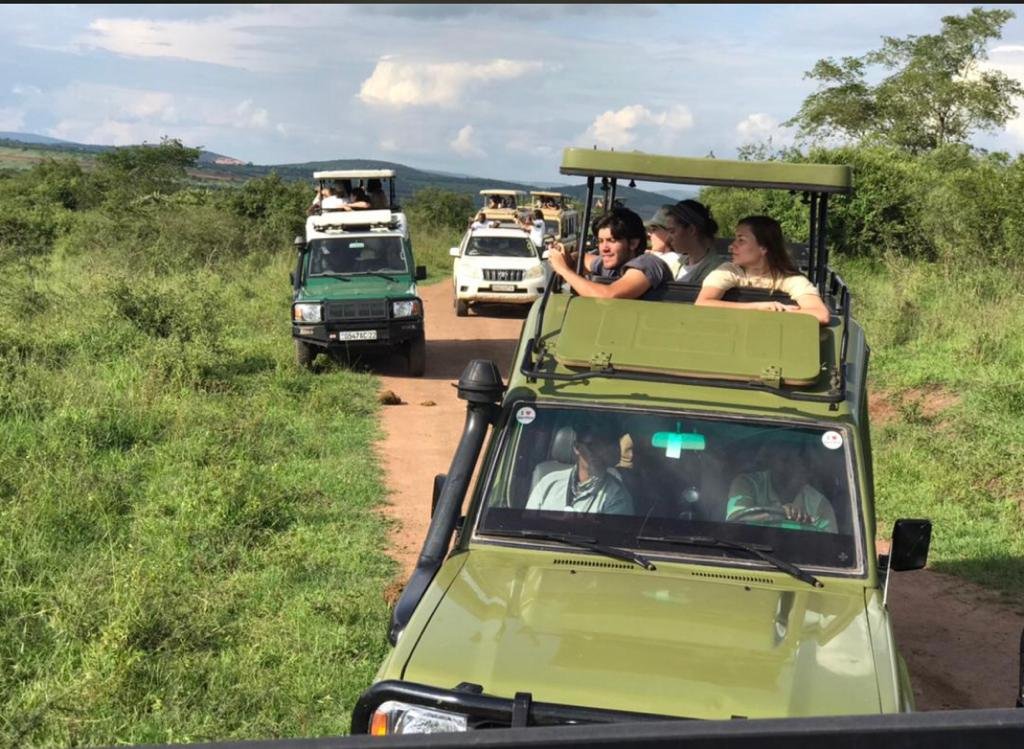
Things to do in Queen Elizabeth National Park. Queen Elizabeth National Park is the park that convinces most first-time visitors that Uganda deserves a spot on their Africa bucket list. Spanning roughly 1,978 square kilometers of western Uganda between the Rwenzori Mountains and the Albertine Rift, it packs savanna, tropical forest, volcanic crater lakes, and two Great Lakes into one accessible park — which is exactly why it’s Uganda’s most visited safari destination. Originally gazetted in 1952 as Kazinga National Park, it was renamed in 1954 to mark a royal visit, and it has been drawing wildlife lovers ever since. Here’s a full rundown of what to actually do once you’re there.
Cruise the Kazinga Channel
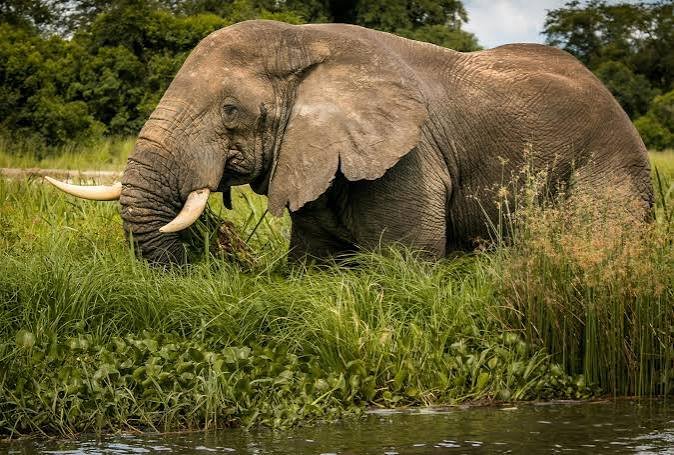
If you only have time for one activity in Queen Elizabeth, make it this one. The Kazinga Channel is a natural waterway stretching roughly 32 to 40 kilometers between Lake Edward and Lake George, and its banks host one of the densest hippo populations in Africa — estimates put the number around 2,000. A two-hour boat cruise glides past pods of hippos, basking Nile crocodiles, elephants cooling off at the water’s edge, and buffalo herds, while the channel’s more than 100 recorded water bird species keep birders occupied the entire trip. It’s slow, scenic, and consistently rated as the park’s signature experience.
Go Looking for Tree-Climbing Lions in Ishasha
The Ishasha sector, in the park’s remote southern reaches, is one of only two places on Earth where lions regularly climb trees — a behavior thought to help them escape heat and biting tsetse flies. Spotting a pride draped over the branches of a giant fig tree is a genuinely rare wildlife encounter, and the surrounding landscape adds to the appeal: wide-open woodland, distinctive black-maned males, and sightings of topi antelope not found elsewhere in the park. Game drives here run quieter and wilder than the northern Mweya circuit, and the best viewing window tends to fall in the hotter midday hours when the lions retreat to the shade of the canopy.
Track Chimpanzees in Kyambura Gorge
Nicknamed the “Valley of the Apes,” Kyambura Gorge is a dramatic, forest-choked rift cut roughly 100 meters into the savanna floor on the park’s eastern edge. Descending into it feels like stepping into an entirely different ecosystem, and the payoff is a chance to track one of the resident chimpanzee communities alongside seven other primate species that share the gorge. Treks run in morning and afternoon sessions, typically lasting one to three hours depending on where the chimps have moved, and sighting rates run high enough to make it a worthwhile add-on even without a guarantee. Travelers wanting a second chimp-trekking option can also head to nearby Kalinzu Forest, which holds a larger population.
Take a Classic Game Drive on the Kasenyi Plains
For traditional big-game viewing, the golden grasslands of Kasenyi are the park’s premier spot. Dawn and dusk drives here regularly turn up large herds of Uganda kob (the park’s signature antelope), along with lions, leopards, elephants, buffalo, and hyenas moving across genuinely open terrain — a real advantage for photography compared to the denser bush found elsewhere in the park. Combined with the Mweya Peninsula’s own game trails, this is where most visitors get their first proper look at Queen Elizabeth’s wildlife density.
Explore the Explosion Craters and Salt Lakes
Queen Elizabeth sits on an old volcanic field, and driving the crater circuit near Katwe and Kikorongo reveals dozens of former explosion craters, several now filled with lakes ranging from vivid emerald to a striking blood-red, depending on their mineral content. Lake Katwe itself is a working salt lake, where local communities still extract rock salt by hand using centuries-old methods — a compelling stop that pairs natural beauty with a genuine look at local livelihoods. The equator crossing at nearby Kikorongo, marked with a monument and a small strip of craft stalls, makes for an easy photo stop along the way.
Go Birding
With more than 600 recorded species, Queen Elizabeth is Uganda’s top birding destination and one of the richest in Africa. The Kazinga Channel and the Katunguru Bridge crossing it are particularly reliable spots for African fish eagles, pied kingfishers, African skimmers, and pelicans, while the papyrus-fringed shores of Lake George add further variety. Resident species are easiest to find from May to September, while migratory flocks pass through between November and April, so dedicated birders may want to time a visit around whichever season matters most to their list.
Join a Lion or Mongoose Research Safari
For travelers who want something beyond a standard drive, Queen Elizabeth is one of the few Uganda parks offering research-based safari add-ons. Visitors can join radio-collar tracking sessions with the Ishasha lion research team, or spend time with the park’s banded mongoose research project, getting a genuinely different angle on the park’s ecology alongside the scientists studying it.
Experience Local Culture
The communities bordering Queen Elizabeth offer their own worthwhile stops, from traditional music and dance performances to hands-on demonstrations of local crafts, cooking, and salt-mining traditions around Katwe and Kikorongo. These visits are an easy way to round out a wildlife-heavy itinerary with some cultural context, and they directly support the communities living alongside the park.
Practical Tips for Visiting
Park entry runs $40 per day for foreign non-residents, payable through the Uganda Wildlife Authority, which manages Queen Elizabeth alongside Uganda’s other national parks. Most travelers find that three to four days is enough to cover the essentials — a game drive, a Kazinga cruise, and one additional activity — while five to seven days allows time to properly explore Ishasha and Kyambura Gorge as well. The park sits roughly 2.5 hours from Bwindi Impenetrable National Park, making it easy to combine tree-climbing lions and chimpanzees with gorilla trekking on a single circuit, and it pairs just as naturally with Kibale Forest for a dedicated primate-focused route.
Queen Elizabeth rewards travelers who give it more than a single afternoon. Between the hippos of the Kazinga Channel, the improbable sight of lions in trees, chimp treks through the Valley of the Apes, and craters filled with technicolor lakes, it’s less a single attraction than a whole safari circuit packed into one park.
If you’re planning a trip, our Uganda safari packages include Queen Elizabeth itineraries built around exactly these highlights, and can be combined with gorilla trekking in Bwindi for a complete primates-and-wildlife adventure. Get in touch with our team to start planning your visit.