- DIRECT CONTACTS:
- +256 766 009 702
- +256 772 166 444
- info@menlyntours.com

Gorilla Tracking and Queen Elizabeth Safari
Gorilla Tracking and Queen Elizabeth Safari. If you’re only going to build one Uganda itinerary, this is the pairing that experienced safari-goers keep coming back to. Bwindi Impenetrable National Park gives you the forest, the silence, and the once-in-a-lifetime hour with mountain gorillas. Queen Elizabeth National Park gives you the open savanna, the tree-climbing lions, and a boat cruise past thousands of hippos. The two parks sit close enough together that combining them isn’t a stretch — it’s the natural shape of a Uganda safari. Here’s how the pairing works, what each leg involves, and how to plan the trip between them.
Why This Combination Works So Well
Uganda’s compact geography is what makes this pairing possible in the first place. Bwindi and Queen Elizabeth sit only a few hours apart in the country’s southwest, so rather than choosing between primates and classic game viewing, you get both without burning your whole trip on transfers. It’s also a natural complement of experiences: gorilla trekking is slow, intimate, and physically demanding in a good way, while Queen Elizabeth delivers the wide-open game drives, water-based wildlife, and dramatic Ishasha lions that round out a complete safari. Our Uganda safari packages are built around exactly this logic, sequencing the two parks so you’re never doubling back on yourself.
Gorilla Tracking in Bwindi: What to Expect
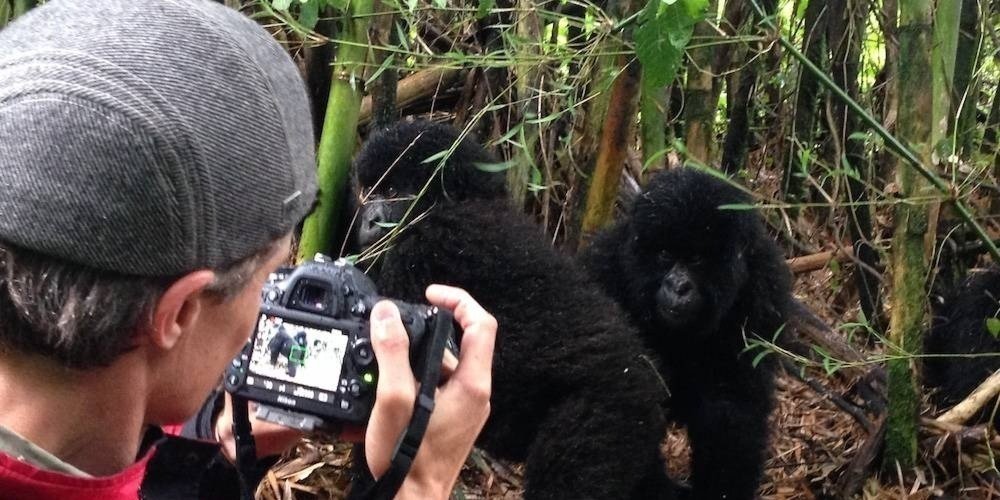
Bwindi is home to roughly half of the world’s remaining mountain gorillas, spread across four trekking sectors — Buhoma, Ruhija, Rushaga, and Nkuringo — each with its own habituated families. A trek starts early with a ranger briefing at park headquarters, followed by a guided hike through dense, ancient rainforest that can run anywhere from two to six hours depending on where the gorillas have moved overnight. Once you find them, you get a strictly enforced one hour in their company, watching them feed, rest, and interact at close range.
Permits are issued solely by the Uganda Wildlife Authority and currently cost $800 per person for foreign non-residents in peak season, with discounted permits available in the low-season months of April, May, and November. Because only eight people are allowed per gorilla family per day, permits sell out well in advance, so booking three to six months ahead is standard practice. Our gorilla trekking page covers permit booking, sector selection, and lodge options in more detail, and our team handles the reservation directly with UWA so you don’t have to navigate the process yourself.
Queen Elizabeth: The Savanna Half of the Trip
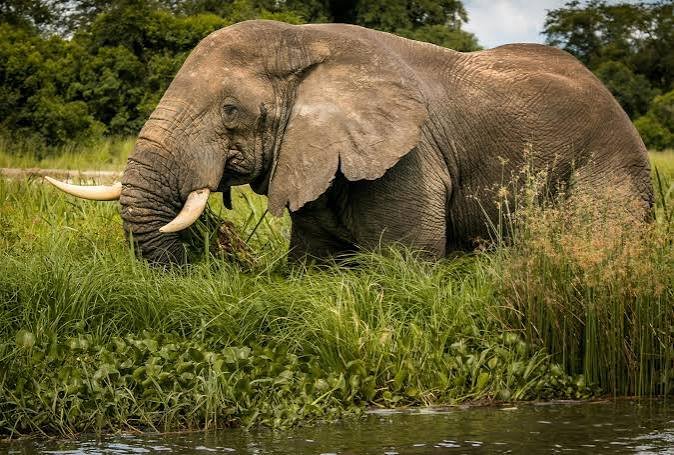
Once the gorilla trek is behind you, Queen Elizabeth National Park delivers a completely different register of wildlife experience. The undisputed highlight is a boat cruise along the Kazinga Channel, a waterway linking Lake Edward and Lake George that holds one of the densest hippo populations in Africa alongside basking crocodiles, elephants at the shoreline, and well over a hundred species of water birds. From there, most itineraries add a game drive through the Ishasha sector in search of the park’s famous tree-climbing lions — a behavior found in only one other place on Earth — plus the option of chimpanzee trekking in Kyambura Gorge or classic big-game drives across the Kasenyi Plains. Our Queen Elizabeth safari guide breaks down each of these activities individually if you want to dig into what to prioritize.
Getting Between the Two Parks
The transfer between Bwindi and Queen Elizabeth is part of the experience, not just a logistics problem to get through. The most common route runs from Bwindi’s Buhoma sector through Ishasha, a drive of roughly 60 to 70 kilometers that takes about two to three hours on a scenic, if occasionally rough, murram road. If you’re trekking from Bwindi’s southern sectors — Rushaga or Nkuringo — the same transfer stretches to four or five hours, since you’re covering more ground before joining the Ishasha road.
Many travelers use this drive itself as a wildlife opportunity: because the route passes directly through the Ishasha sector, it’s common to spot tree-climbing lions, elephants, or Uganda kob before you’ve even officially started your Queen Elizabeth activities. A 4×4 vehicle is recommended year-round, and especially necessary during the wet season when sections of the road can turn muddy. Travelers short on time can also fly between Mweya airstrip in Queen Elizabeth and one of Bwindi’s small airstrips, cutting the transfer down considerably. Whichever route you choose, this is one leg of the trip worth planning carefully, and it’s the kind of detail our travel-planning team sorts out as part of every itinerary we build.
A Sample Itinerary
A well-paced version of this trip typically runs five to seven days. Day one is a drive from Entebbe or Kampala into the southwest, often broken up with a stop at Lake Mburo National Park. Day two is your gorilla trek in Bwindi, followed by a rest afternoon to recover from the forest hike. Day three covers the transfer to Queen Elizabeth via Ishasha, with an afternoon game drive on arrival to look for the tree-climbing lions. Day four is dedicated to the Kazinga Channel boat cruise and, time permitting, a chimpanzee trek in Kyambura Gorge. Day five wraps with a final game drive on the Kasenyi Plains before heading back toward Kampala or on to your next destination. Our full Uganda itineraries page has several variations on this route depending on how much time and budget you’re working with.
Best Time to Go
Both parks are enjoyable year-round, but the two dry seasons — December to February and June to September — offer the easiest gorilla trekking conditions and the best overall game viewing, since drier trails make the Bwindi forest less strenuous and animals cluster more predictably around Queen Elizabeth’s water sources. These months are also the busiest, so lodges and permits need to be booked early. The wetter months of March to May and November are quieter and come with discounted gorilla permits, though hikers should expect muddier trails and a bumpier transfer road between the two parks.
Planning and Booking
Because gorilla permits must be booked through a licensed operator and are subject to strict availability, working with a company registered with the Uganda Tourism Board is the safest way to avoid the permit fraud that has become more common as demand has grown. It’s also worth noting that both parks contribute directly to conservation funding recognized by international bodies like the International Union for Conservation of Nature, so the fees you pay are doing real work protecting the wildlife you’ve traveled to see.
Pairing gorilla tracking with a Queen Elizabeth safari gives you Uganda at its fullest: misty forest and open savanna, an intimate hour with gorillas and a boat full of hippos, all within a single, well-paced trip. If you’re ready to put together an itinerary around your own dates and travel style, our Uganda safari specialists at Menlyn Tours can build the whole route for you, permits and all — just reach out to start planning.