- DIRECT CONTACTS:
- +256 766 009 702
- +256 772 166 444
- info@menlyntours.com

Uganda vs Rwanda Gorilla Trekking: Cost, Permits & Safari Guide
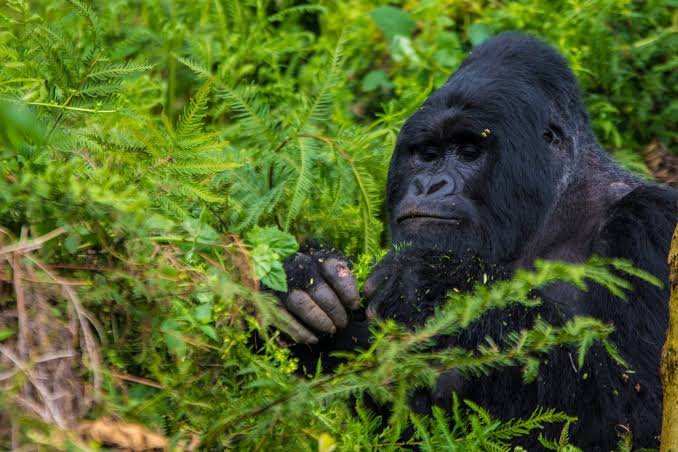
Uganda vs Rwanda Gorilla Trekking: Cost , Permits & Safari Guide. Meeting endangered mountain gorillas in their natural habitat is one of Africa’s most unforgettable wildlife experiences. These magnificent primates live in the mountain forests of Uganda, Rwanda, and the Democratic Republic of Congo.
However, choosing where to trek can be challenging. Both Uganda and Rwanda offer incredible opportunities to see mountain gorillas in the wild. Yet, the countries differ in permit prices, travel time, hiking conditions, and accommodation options.
This guide to Uganda vs Rwanda gorilla trekking compares the two destinations to help you make the right choice for your next African adventure.
At Menlyn Tours and Travel, we help travellers plan memorable gorilla trekking safaris based on their interests, budgets, and travel schedules. Whether you prefer an affordable forest adventure or a luxury gorilla safari, understanding these differences will help you choose the best experience.
Uganda vs Rwanda Gorilla Trekking: A Quick Comparison
Uganda and Rwanda are both excellent destinations for mountain gorilla trekking. Uganda offers trekking in Bwindi Impenetrable National Park and Mgahinga Gorilla National Park, while Rwanda offers trekking in Volcanoes National Park.
The standard gorilla trekking permit for foreign non-residents in Uganda costs USD 800 per person. In Rwanda, the standard permit for international visitors costs USD 1,500 per person. This means that Uganda’s permit is USD 800 cheaper per person. For two travelers, the difference is USD 1,400 for permits alone. These prices should be confirmed with the relevant wildlife authorities before booking because rates can change and different visitor categories may qualify for different prices.
Travel time is another important difference. Driving from Entebbe to Bwindi can take approximately 8 to 10 hours or longer, depending on the trekking sector and road conditions. Domestic flights can reduce travel time, although additional transfers may be required. In Rwanda, the drive from Kigali to Volcanoes National Park generally takes around 2.5 to 3 hours.
The trekking experience also differs. Uganda’s Bwindi Impenetrable National Park is known for its dense rainforest, steep slopes, and challenging trails. Rwanda’s Volcanoes National Park features mountain forests, bamboo vegetation, and volcanic landscapes. However, trekking difficulty in either country depends on the location of the gorilla family, weather conditions, and terrain on the day.
Why Choose Uganda for Gorilla Trekking?
Uganda is an excellent choice for travellers who want to experience mountain gorillas while exploring more of East Africa’s wildlife and natural beauty. The country offers two gorilla trekking destinations, Bwindi Impenetrable National Park and Mgahinga Gorilla National Park. Both provide opportunities to encounter mountain gorillas in their natural habitat.
More Affordable Gorilla Permits
One of the main advantages of Uganda is its lower standard gorilla trekking permit price for foreign non-residents. At USD 800 per person, a Ugandan gorilla permit costs USD 700 less than Rwanda’s standard USD 1,500 permit for international visitors.
For a couple, Uganda’s permits cost USD 1,600 in total, compared with USD 3,000 in Rwanda. This creates a potential saving of USD 1,400 before considering other safari expenses. Travellers can use this difference to support their accommodation budget, add activities, or extend their stay in East Africa.
However, the permit price is only one part of the total safari cost. Accommodation, meals, transport, park activities, and the length of your trip also affect the final price. For official permit information, visit the official Uganda Wildlife Authority website.
Explore Bwindi Impenetrable National Park
Bwindi Impenetrable National Park is one of Uganda’s most celebrated wildlife destinations. Its ancient rainforest, rich biodiversity, and mountain scenery create a remarkable setting for gorilla trekking.
The park has four main trekking sectors: Buhoma, Ruhija, Rushaga, and Nkuringo. Each sector has different accommodation options, trekking routes, and access arrangements. Some visitors may find their gorilla family after a relatively short walk, while others may need several hours of hiking through steep and muddy terrain.
Good preparation is essential. Comfortable hiking boots, suitable clothing, drinking water, and a reasonable level of fitness can make your experience more enjoyable. If you are planning your first trek, read our guide on how to prepare for gorilla trekking in Uganda.
Combine Gorilla Trekking with a Wildlife Safari
Another major advantage of Uganda is the variety of experiences you can combine in one trip. You can track mountain gorillas in Bwindi, search for chimpanzees in Kibale Forest, watch elephants and lions during game drives, and enjoy a boat cruise along the Kazinga Channel.
Travellers with more time can also visit Murchison Falls National Park or explore Lake Bunyonyi. This diversity makes Uganda particularly attractive to visitors who want more than a single wildlife encounter.
Explore our Uganda safari packages to discover destinations and experiences that can complement your gorilla trek.
Why Choose Rwanda for Gorilla Trekking?
Rwanda is another outstanding destination for travellers seeking a mountain gorilla encounter. Its established tourism infrastructure, accessible capital city, and premium accommodation options make it especially appealing for shorter holidays.
Gorilla trekking takes place in Volcanoes National Park, located in the northwestern part of the country. The park offers a beautiful setting for observing mountain gorillas in their natural habitat.
Convenient Access from Kigali
One of Rwanda’s biggest advantages is the relatively short road journey from Kigali to Volcanoes National Park. The drive generally takes around 2.5 to 3 hours, depending on traffic, weather, and your exact starting point.
This makes Rwanda a convenient option for travellers who want to spend less time travelling between the airport and their trekking destination. By comparison, travelling by road from Entebbe to Bwindi can take approximately 8 to 10 hours or longer, depending on the trekking sector and road conditions. Domestic flights can reduce travel time, although additional road transfers may still be required.
If you have only a few days available, Rwanda’s convenient access may be a major advantage.
Experience Volcanoes National Park
Volcanoes National Park offers a spectacular setting for gorilla trekking, with forested volcanic slopes, bamboo vegetation, and dramatic mountain scenery. The trek can be physically demanding because of the altitude, steep slopes, and changing weather conditions.
Although some routes may feel more open than parts of Bwindi’s dense rainforest, hiking difficulty depends on the gorilla family’s location and the day’s conditions. Travellers should prepare for uneven ground, rain, and changes in temperature.
Rwanda also offers golden monkey trekking, cultural visits, and opportunities to explore the country’s beautiful highland landscapes. For official destination information, visit Visit Rwanda.
Enjoy Premium Accommodation and Safari Services
Rwanda has established a strong reputation for luxury gorilla trekking experiences. Visitors can choose from high-end lodges offering personalised service, fine dining, spa facilities, and beautiful views of the surrounding mountains.
However, Rwanda also has accommodation options at different price levels. Your overall safari budget will depend on where you stay, the transport you choose, and the activities you include.
If you prefer a short, comfortable trip with convenient access to gorilla trekking, Rwanda may be an excellent fit. You can explore our Rwanda gorilla and golden monkey safari options to discover experiences that suit your travel plans.
Uganda vs Rwanda Gorilla Trekking: Which Is More Affordable?
For many travellers, cost is one of the most important factors when choosing between Uganda and Rwanda. Uganda’s standard gorilla permit costs USD 800 per foreign non-resident, while Rwanda’s standard permit costs USD 1,500 per international visitor. This gives Uganda a clear advantage in permit costs, with a difference of USD 700 per person.
For two travellers, the permit costs would total USD 1,600 in Uganda and USD 3,000 in Rwanda. For a group of four, Uganda’s permits would total USD 3,200, while Rwanda’s would cost USD 6,000. These figures cover permits only and exclude accommodation, meals, transport, and other safari expenses.
However, the cheapest permit does not automatically mean the cheapest complete holiday. A Ugandan safari may involve longer road transfers, additional overnight stays, or domestic flights. Rwanda’s shorter transfer to Volcanoes National Park can help travellers save time and may reduce transport expenses for a short itinerary.
The best way to compare costs is to calculate the full package, including permits, accommodation, transport, meals, and activities. At Menlyn Tours and Travel, we recommend choosing a destination based on the complete safari experience rather than permit prices alone.
Can You Combine Uganda and Rwanda in One Gorilla Safari?
Yes. You can combine Uganda and Rwanda in one East African holiday, making it possible to experience the attractions of both countries.
For example, you could begin in Uganda with chimpanzee tracking or a wildlife safari before travelling to Bwindi for gorilla trekking. You could then continue to Rwanda to explore Volcanoes National Park, visit local communities, or discover Kigali.
Travellers who want to trek gorillas in both countries can also plan a cross-border itinerary, subject to permit availability and their budget. A combined trip usually requires more time and careful planning. Your route, border crossing, accommodation, and permit dates should all be coordinated before travel.
Explore our Uganda safari packages for ideas on extending your trip before continuing to Rwanda.
When Is the Best Time for Gorilla Trekking?
Gorilla trekking takes place throughout the year in both Uganda and Rwanda. However, weather conditions can affect the difficulty of the hike.
The drier periods, generally June to September and December to February, are often popular because trails may be less muddy. These periods can also be busy, so early planning is recommended.
The wetter months can bring heavier rain and slippery trails. However, the forests remain beautiful, and wildlife encounters are still possible. There is no guarantee that a trek will be easy during the dry season because gorilla families move freely through the forest, so the walking distance can change every day.
For the best experience, choose dates that fit your schedule, prepare for changing weather, and confirm permit availability before finalising your arrangements.
The Verdict: Should You Choose Uganda or Rwanda?
The best destination depends on what matters most to you. Uganda is a strong choice if you want a lower standard gorilla permit price, enjoy exploring dense rainforest, or want to combine gorilla trekking with chimpanzee tracking, wildlife safaris, and boat cruises.
Rwanda may be the better choice if you have limited time, prefer a shorter transfer from an international airport, or want to focus on gorilla trekking with premium accommodation options.
You can also choose both countries if you have enough time and budget to experience different landscapes, wildlife activities, and cultural attractions across East Africa. Both destinations offer memorable opportunities to encounter endangered mountain gorillas. With careful planning, either can deliver an extraordinary safari.
Plan Your Gorilla Trekking Safari with Menlyn Tours and Travel
Choosing between Uganda and Rwanda is only the first step. Your travel dates, budget, preferred accommodation, and other activities will help determine which itinerary works best for you.
At Menlyn Tours and Travel, we organise tailor-made safari experiences across Uganda and Rwanda. We can help coordinate gorilla trekking arrangements, accommodation, transport, wildlife activities, and cross-border itineraries to suit your travel plans.
Whether you prefer an affordable Uganda gorilla trekking safari, a premium Rwanda experience, or a combined East African adventure, our team can help you plan a memorable journey.
Get in touch with us to discuss your preferred dates, budget, and travel interests. Let Menlyn Tours and Travel help you create an unforgettable gorilla trekking adventure in East Africa.