- DIRECT CONTACTS:
- +256 766 009 702
- +256 772 166 444
- info@menlyntours.com

How to Prepare for Gorilla Trekking in Uganda
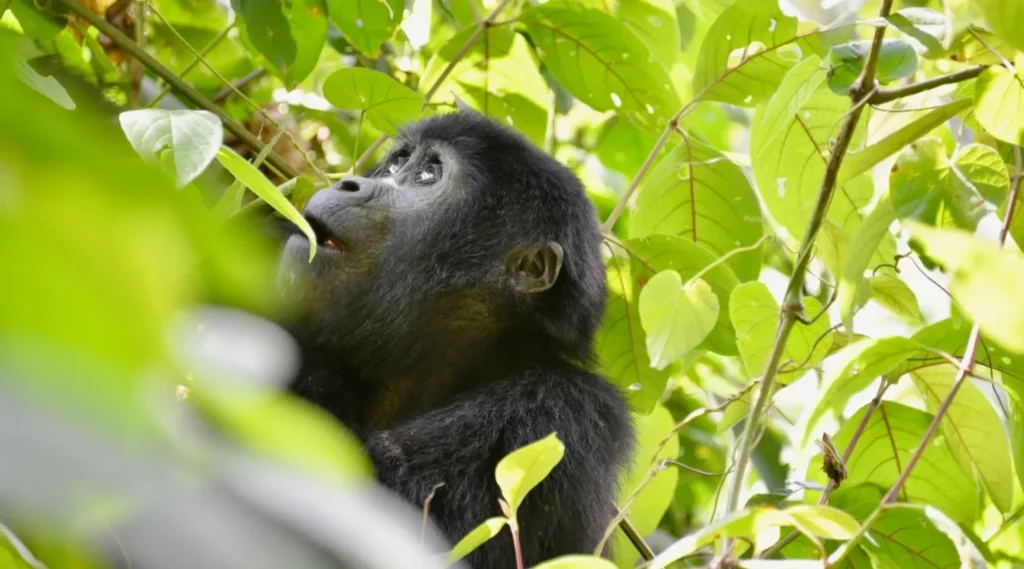
Gorilla trekking is one of the most extraordinary wildlife experiences in the world. Standing just a few metres away from a family of endangered mountain gorillas in their natural habitat is an unforgettable experience that stays with you long after your safari ends.
Uganda is home to a significant share of the world’s remaining mountain gorillas, making it one of the best destinations for this once-in-a-lifetime adventure. However, gorilla trekking is not simply a walk through the forest. It requires preparation, suitable clothing, reasonable fitness, and an understanding of the guidelines designed to protect both visitors and gorillas.
Whether you’re trekking in Bwindi Impenetrable National Park or Mgahinga Gorilla National Park, preparing properly will help you enjoy your adventure safely and comfortably.
Book Your Gorilla Permit Early
One of the first steps when planning a gorilla trekking safari is securing your gorilla permit. The number of visitors allowed to trek each gorilla family is limited to help protect the animals and their natural habitat.
During popular travel periods, permits can become limited, so it is advisable to plan and book well in advance. Working with an experienced tour operator can make the process easier, especially when arranging your permit, accommodation, transportation, and trekking date.
You can also combine your gorilla experience with our Uganda Safari Packages, , allowing you to explore Uganda’s wildlife, culture, landscapes, and primates in one carefully planned itinerary.
Prepare Your Fitness Before the Trek
Gorilla trekking can involve hiking through dense rainforest, steep hills, muddy trails, and uneven terrain. The length and difficulty of the trek depend largely on where the gorilla family is located on the day of your visit.
You do not need to be an athlete, but having a reasonable level of fitness will make the experience more enjoyable. In the weeks before your safari, consider walking regularly, using stairs, hiking, or doing light cardio exercises.
It is also important to pace yourself during the trek. Your ranger and guide will help you move at a comfortable pace and take breaks when necessary.
Pack the Right Clothing
The weather in Uganda’s mountain forests can change quickly. Rain is possible even during the drier months, while temperatures can vary between cool mornings and warmer conditions during the day.
For a comfortable trek, pack long-sleeved shirts, long hiking trousers, waterproof hiking boots, thick hiking socks, a lightweight rain jacket, and gardening or trekking gloves.
Gaiters are also useful because they can help protect your legs from mud, insects, and vegetation.
Choose practical outdoor clothing that allows you to move comfortably through the forest. Neutral colours are generally a good choice for wildlife experiences.
Carry Essential Trekking Gear
A small backpack is usually enough for your trekking essentials. Carry enough drinking water, some snacks or a packed lunch, sunscreen, insect repellent, personal medication, and a rain cover for your backpack.
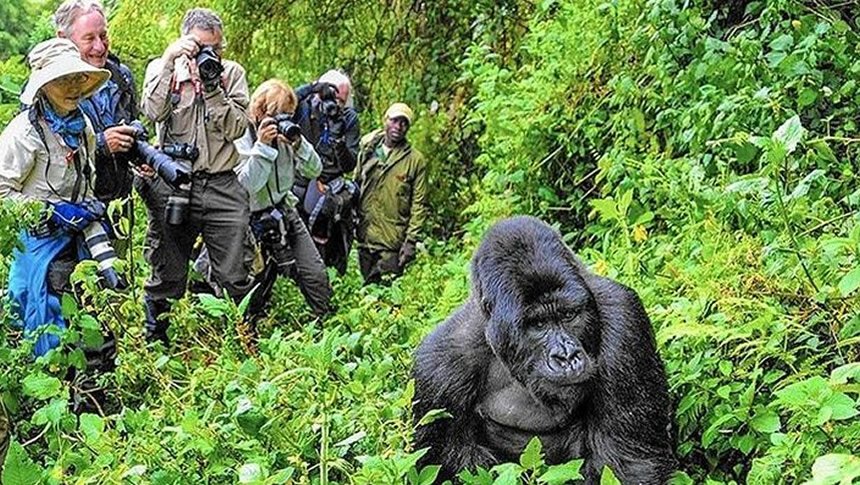
If you plan to take photographs, bring your camera and spare batteries. Avoid using flash photography around the gorillas, and always follow the instructions given by your ranger.
Binoculars can also be useful for enjoying birds, monkeys, and other wildlife you may encounter during the trek.
Consider Hiring a Porter
Hiring a local porter is highly recommended, even if you are physically fit.
Porters can carry your backpack and provide support on steep, muddy, or slippery sections of the trail. They can also make the trek more comfortable by allowing you to concentrate on the experience rather than the weight of your belongings.
Most importantly, hiring a porter helps provide income to people living around the national parks and supports the local communities that benefit from tourism.
Understand the Health Requirements
Mountain gorillas are highly susceptible to human illnesses. For this reason, visitors are expected to follow health and hygiene guidelines designed to reduce the risk of disease transmission.
If you are feeling unwell before your trek, particularly if you have symptoms of a respiratory illness, inform your tour operator and ranger. Follow the current health instructions provided by the Uganda Wildlife Authority and your trekking team.
During the trek, avoid touching the gorillas and maintain the required distance from them. Your ranger will explain the current rules during the pre-trek briefing.
Learn the Gorilla Trekking Rules
Before entering the forest, Uganda Wildlife Authority rangers provide a briefing about safety, conservation, and responsible gorilla viewing.
The rules are designed to protect both visitors and gorillas. You should listen carefully to your ranger, remain with your group, avoid sudden movements, and keep noise to a minimum while observing the gorillas.
You should also follow the required viewing distance and photography guidelines and avoid eating or drinking while close to the gorillas.
The exact regulations can be updated, so always follow the instructions provided by the rangers on the day of your trek.
Prepare for Changing Weather
Rainforests are naturally unpredictable environments. Even when the weather forecast looks favourable, rain can arrive unexpectedly.
A waterproof jacket, waterproof backpack cover, and suitable hiking boots are therefore essential. Quick-drying clothing can also make the experience more comfortable if you get caught in the rain.
Layering your clothing is another useful approach. You can remove a layer when temperatures rise and add one when the forest becomes cooler.
Be Ready for a Different Kind of Adventure
Every gorilla trek is different.
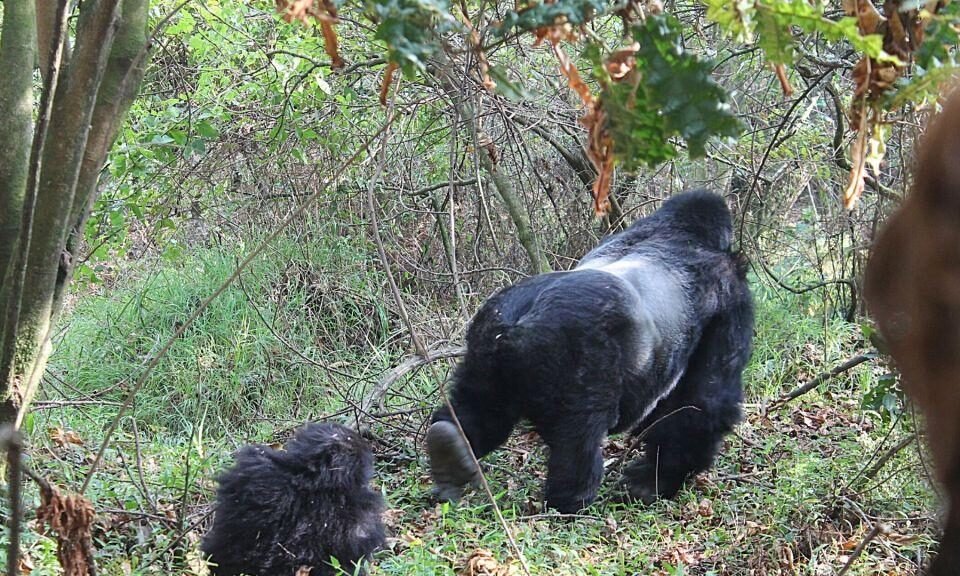
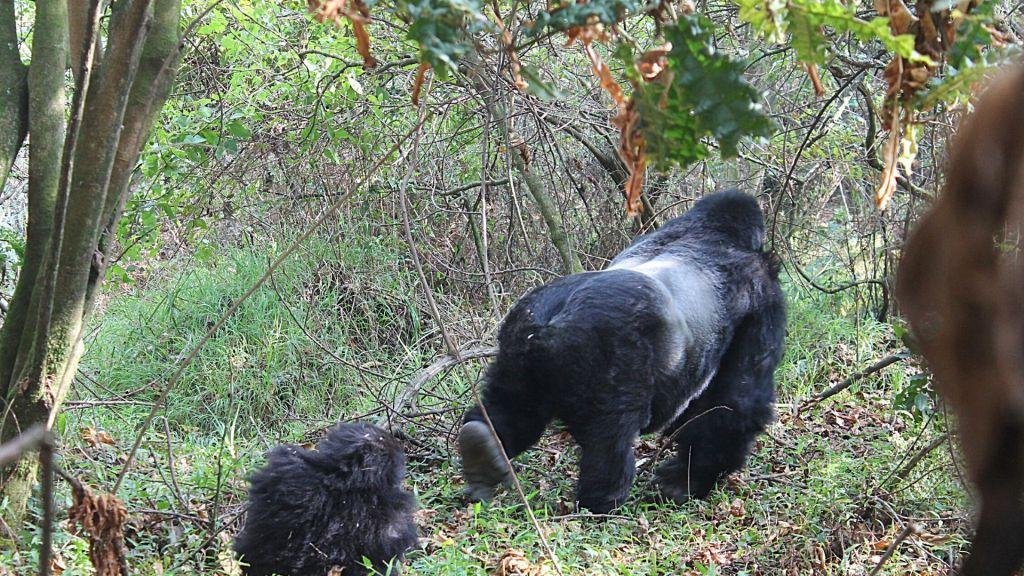
Some visitors may reach their assigned gorilla family relatively quickly, while others may spend several hours hiking through the forest. The gorillas move freely through their natural habitat, so their location cannot always be predicted.
Rather than focusing only on the final encounter, enjoy the entire journey. The forest itself is part of the experience, with beautiful vegetation, birds, butterflies, monkeys, and spectacular mountain scenery.
When you finally encounter the gorillas, the patience and effort of the trek become worthwhile.
Respect the Gorillas and Their Habitat
Gorilla tourism plays an important role in conservation and supports communities around Uganda’s protected areas.
Responsible travellers should respect the animals, follow ranger instructions, avoid littering, and avoid disturbing wildlife or vegetation.
Supporting local porters, purchasing locally made crafts, and participating in responsible community experiences can also help ensure that tourism benefits the people living around the conservation areas.
By travelling responsibly, you contribute to the protection of Uganda’s mountain gorillas and their rainforest habitat.
What to Expect on the Day of Your Trek
Your trekking day usually begins early with breakfast before heading to the park headquarters for registration and briefing.
Rangers will assign visitors to trekking groups and explain the safety and conservation guidelines before entering the forest.
The hike may involve steep slopes, dense vegetation, muddy trails, and changing weather. Once your group finds the gorillas, you will have a limited period to observe and photograph them while following the ranger’s instructions.
After the experience, you will trek back out of the forest and return to your lodge to relax and reflect on one of Uganda’s most remarkable wildlife encounters.
Can You Combine Gorilla Trekking with a Safari?
Absolutely. Gorilla trekking can be combined with several other Ugandan experiences.
Many travellers combine gorilla trekking with wildlife safaris in Queen Elizabeth National Park, chimpanzee tracking in Kibale Forest National Park, a relaxing stay at Lake Bunyonyi, or cultural experiences with local communities.
This allows you to experience different sides of Uganda instead of focusing on only one destination.
You can also explore our Uganda safari vacations to find itineraries that combine gorilla trekking with wildlife and other experiences.
Frequently Asked Questions
How fit do I need to be for gorilla trekking?
A reasonable level of fitness is recommended because the trek can involve steep, muddy, and uneven terrain. Regular walking and light exercise before your safari can help you prepare.
What should I wear for gorilla trekking?
Wear comfortable long trousers, a long-sleeved shirt, waterproof hiking boots, thick socks, a rain jacket, and trekking or gardening gloves. Gaiters can also be useful.
Can I hire a porter for gorilla trekking?
Yes. Porters are available and can carry your backpack and provide assistance on difficult sections of the trail. Hiring a porter also supports local livelihoods.
How long does gorilla trekking take?
The duration varies depending on the location of the gorilla family. The hike can take several hours, so it is important to be prepared for changing conditions and a potentially long trek.
What happens if it rains during gorilla trekking?
Rain is possible throughout the year. Waterproof clothing, hiking boots, and a backpack rain cover can help keep you comfortable during wet conditions.
Why Book Your Gorilla Trekking Safari with Menlyn Tours & Travel?
Planning a gorilla trekking safari involves more than simply obtaining a permit. Accommodation, transportation, trekking location, timing, and additional activities all need to fit together smoothly.
At Menlyn Tours & Travel, we take care of the details so you can concentrate on enjoying your adventure. We arrange gorilla permits, accommodation, transportation, professional guides, airport transfers, and personalised safari itineraries.
Whether you want a short gorilla trekking experience or a longer journey combining gorillas, wildlife, chimpanzees, culture, and adventure, we can create an itinerary around your interests, budget, and travel dates.
Book Your Gorilla Trekking Adventure Today
Gorilla trekking offers a rare opportunity to enter the natural world of one of the planet’s most fascinating animals. With the right preparation, suitable equipment, and respect for conservation guidelines, your trek can become one of the most memorable experiences of your life.
Ready to experience Uganda’s mountain gorillas? Book with Menlyn Tours & Travel today and let us plan your unforgettable gorilla trekking adventure in the Pearl of Africa.