- DIRECT CONTACTS:
- +256 766 009 702
- +256 772 166 444
- info@menlyntours.com

Best Time to Visit Uganda
Planning the perfect safari starts with choosing the right time to travel. One of the questions we hear most often at Menlyn Tours & Travel is, “When is the best time to visit Uganda?” The answer depends on the experiences you’re looking for. Whether your dream is to stand face-to-face with mountain gorillas, enjoy unforgettable wildlife safaris, track chimpanzees through tropical forests, or relax beside Uganda’s beautiful lakes, every season offers something special.
Unlike many destinations that have extreme seasonal changes, Uganda enjoys a pleasant tropical climate throughout the year thanks to its location along the Equator. Temperatures remain relatively stable, while rainfall varies between wet and dry seasons. This means Uganda is a year-round safari destination, although certain months provide better conditions for specific activities.
If you’re planning one of our Uganda Safari Packages, understanding Uganda’s seasons will help you choose the ideal itinerary and make the most of your adventure.
Uganda’s Climate Throughout the Year
Uganda experiences two dry seasons and two rainy seasons each year.
The main dry season runs from June to September, while a shorter dry season occurs between December and February. These months are generally considered the best time for wildlife safaris and gorilla trekking because trails are drier, roads are easier to navigate, and animals are more easily spotted around water sources.
The rainy seasons usually occur from March to May and October to November. Although rainfall is more frequent, these months transform Uganda into a lush green paradise with fewer visitors, making them attractive for travellers seeking quieter safari experiences.
Best Time for Gorilla Trekking
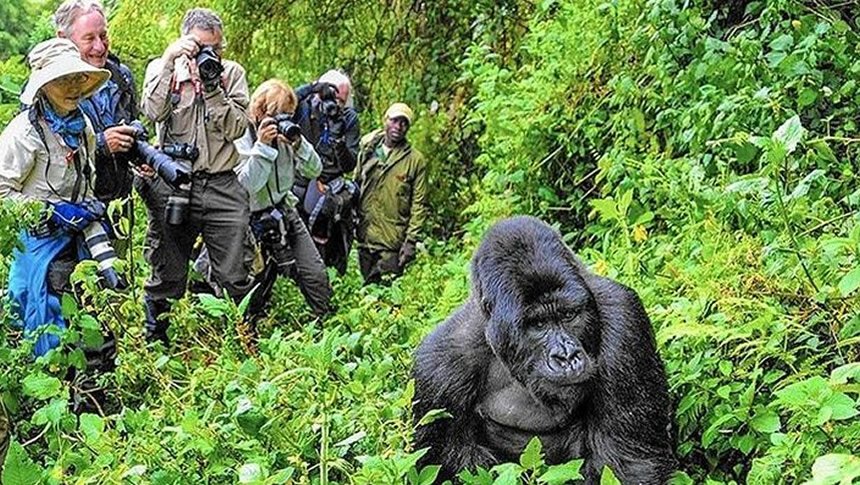
For many visitors, Gorilla Trekking in Uganda is the highlight of their trip. Gorilla trekking takes place throughout the year in Bwindi Impenetrable National Park and Mgahinga Gorilla National Park, but the dry seasons generally offer easier hiking conditions.
During June to September and December to February, forest trails are less muddy, making the trek more comfortable. However, these are also the busiest months, so gorilla permits should be booked several months in advance.
Travellers who visit during the rainy seasons often enjoy fewer crowds and occasionally better lodge availability. Although the trails can be more challenging, many visitors appreciate the quieter experience and vibrant rainforest scenery.
Best Time for Wildlife Safaris
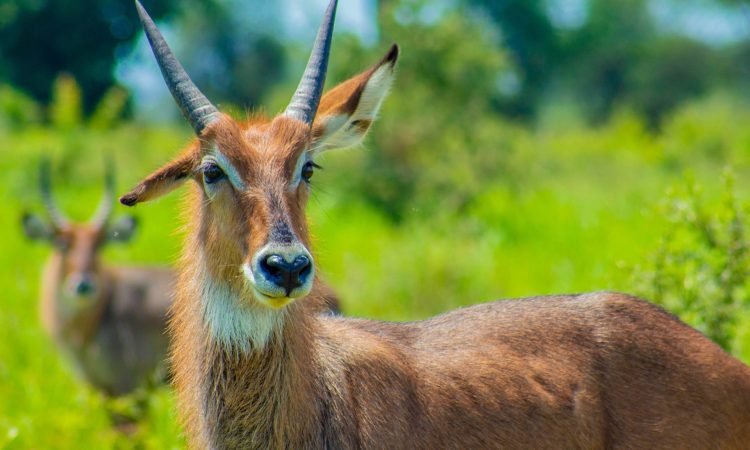
Uganda’s national parks offer excellent wildlife viewing throughout the year, but the dry months generally provide the best game-viewing opportunities.
In Queen Elizabeth National Park, Murchison Falls National Park, Kidepo Valley National Park, and Lake Mburo National Park, animals gather around rivers, lakes, and waterholes during the dry season, making them easier to spot during game drives.
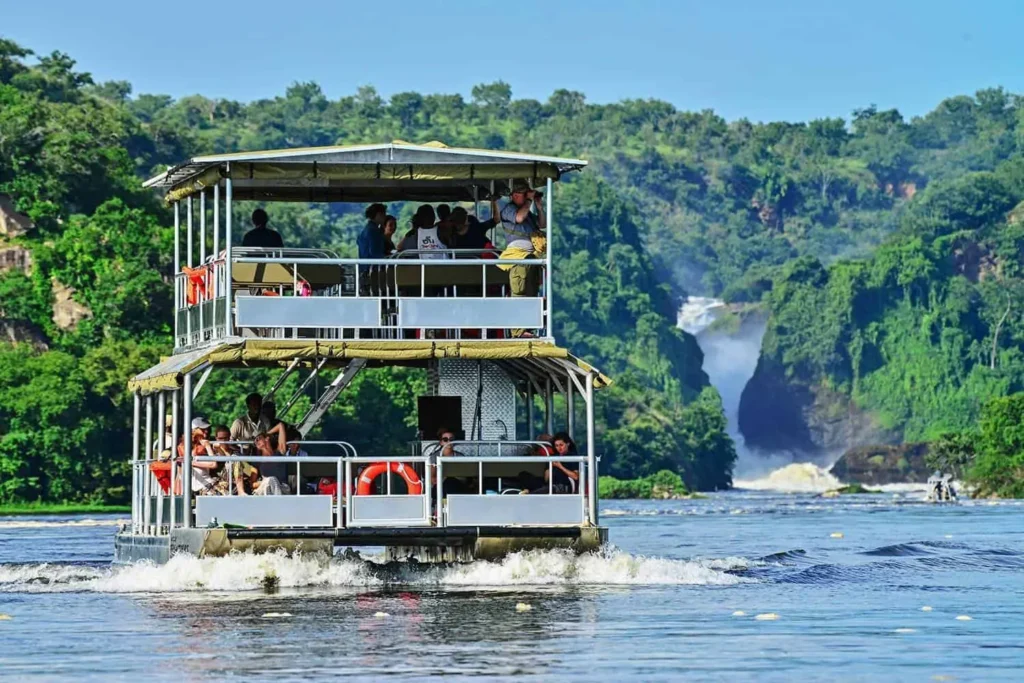
Boat cruises on the Kazinga Channel and the Victoria Nile remain enjoyable year-round, offering close-up views of hippos, crocodiles, elephants, buffaloes, and a wide variety of birdlife.
Best Time for Chimpanzee Trekking
Chimpanzee trekking is another unforgettable experience available throughout the year.
The most popular location is Kibale Forest National Park, while Kalinzu Forest Reserve and Kyambura Gorge also offer excellent chimpanzee tracking opportunities.
Dry months provide easier walking conditions, while the rainy seasons often bring abundant fruit into the forest, increasing the chances of finding chimpanzees feeding in the trees.
Best Time for Birdwatching
Uganda is one of Africa’s premier birdwatching destinations, with more than 1,000 recorded bird species.
Birdwatching is rewarding throughout the year, but many enthusiasts prefer the rainy seasons when migratory birds arrive and breeding plumage makes many species especially colourful.
Popular birding destinations include Kibale Forest National Park, Queen Elizabeth National Park, Mabamba Swamp, and lake Bunyonyi.
Travelling During the Low Season
Many travellers assume they should avoid Uganda during the rainy months, but this isn’t necessarily the case.
Low-season travel offers several advantages, including quieter national parks, greener landscapes, and a more relaxed experience. Photographers often appreciate the dramatic skies and vibrant scenery, while accommodation availability is generally better than during peak travel periods.
The occasional afternoon shower rarely prevents safari activities, as most game drives and trekking excursions continue as planned.
So, When Should You Visit Uganda?
If your priority is the easiest trekking conditions and classic wildlife viewing, the dry seasons from June to September and December to February are ideal.
If you prefer fewer crowds, lush scenery, and a quieter safari experience, consider travelling during the rainy seasons.
The good news is that Uganda offers exceptional experiences throughout the year. Whether you’re exploring Murchison Falls National Park, trekking gorillas in Bwindi Impenetrable National Park, relaxing at Lake Bunyonyi, or enjoying one of our tailor-made Uganda Safari Packages, you’ll discover why Uganda truly deserves its reputation as the Pearl of Africa.
Frequently Asked Questions
What is the best month to visit Uganda?
June, July, August, January, and February are among the best months for gorilla trekking and wildlife safaris because of the drier conditions.
Can I visit Uganda during the rainy season?
Yes. Uganda is a year-round destination, and the rainy seasons offer lush landscapes, fewer tourists, and excellent birdwatching.
Is gorilla trekking available all year?
Yes. Gorilla trekking is available throughout the year in Bwindi Impenetrable National Park and Mgahinga Gorilla National Park.
Plan Your Uganda Safari with Menlyn Tours & Travel
Choosing the right travel season is just the first step. At Menlyn Tours & Travel, we design personalised Uganda safaris based on your travel dates, interests, and budget.
Whether you’re planning gorilla trekking, wildlife safaris, birdwatching, or a complete Uganda adventure, we’ll help you create an unforgettable journey.
Contact us today to begin planning your safari.