- DIRECT CONTACTS:
- +256 766 009 702
- +256 772 166 444
- info@menlyntours.com

Birding Safaris in Uganda
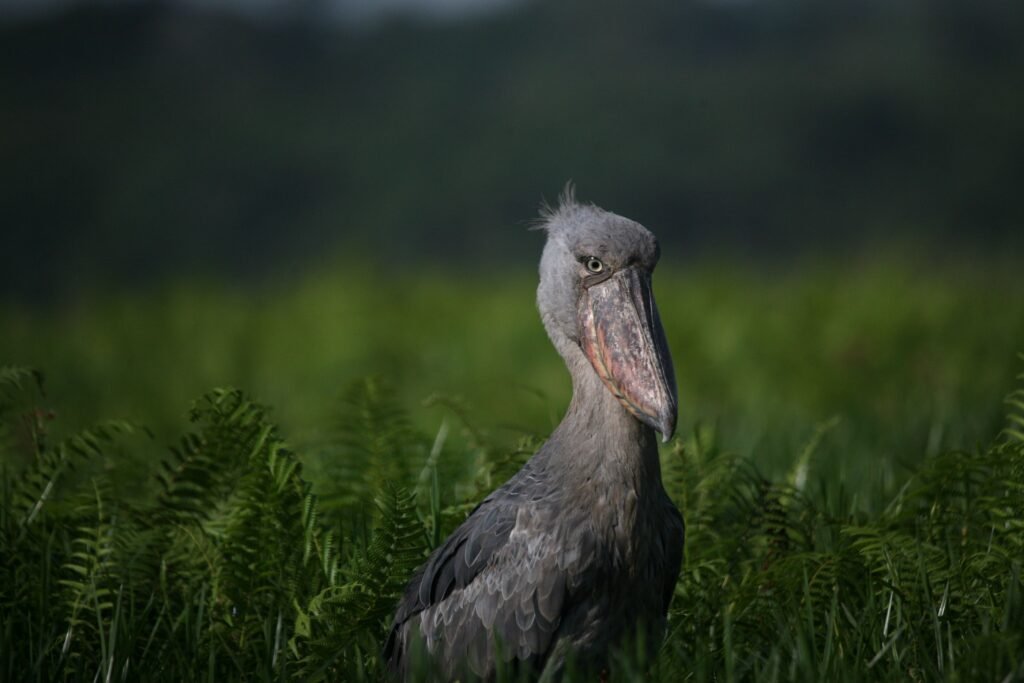
Uganda is famous for mountain gorillas, wildlife safaris, and breathtaking landscapes, but it is also one of Africa’s most rewarding birdwatching destinations. With more than 1,000 recorded bird species, Uganda offers incredible opportunities for both experienced birders and travellers who simply enjoy nature.
From wetlands and tropical forests to savannahs and mountain habitats, Uganda’s diverse ecosystems provide a home for an extraordinary variety of birds. A birding safari in Uganda can take you in search of the rare Shoebill Stork, colourful turacos, kingfishers, sunbirds, raptors, and Albertine Rift species.
What makes Uganda especially attractive is the opportunity to combine birdwatching with other experiences. You can search for birds in the morning, enjoy a wildlife game drive in the afternoon, and include gorilla trekking, chimpanzee tracking, cultural experiences, or scenic boat cruises in the same itinerary.
Why Choose a Birding Safari in Uganda?
Uganda’s location at the meeting point of East African savannah, Central African rainforest, wetlands, and the Albertine Rift gives the country remarkable bird diversity.
For travellers interested in birdwatching, this means you can experience very different bird habitats within one trip. Forests provide opportunities to see colourful forest species, wetlands attract waterbirds, while savannahs are home to eagles, storks, bee-eaters, hornbills, and other species.
Uganda is also an excellent destination for travellers who want to combine birding with a wider Uganda safari. Instead of spending your entire holiday focused only on birds, your itinerary can include wildlife, primates, landscapes, culture, and adventure.
Mabamba Swamp: Search for the Shoebill
One of the most exciting places to begin a birding safari is Mabamba Swamp, located near Entebbe on the shores of Lake Victoria.
The wetland is particularly famous for the Shoebill Stork, one of Africa’s most sought-after birds. Its unusual appearance and impressive size make seeing one in the wild a memorable experience for birdwatchers and photographers.
Exploring Mabamba by traditional canoe allows visitors to move through the papyrus channels while searching for the Shoebill and other wetland species. You may also encounter African Jacanas, kingfishers, herons, African Fish Eagles, and other waterbirds.
If you are arriving through Entebbe International Airport, Mabamba can be an excellent addition to your itinerary before or after your main safari.
Birdwatching in Queen Elizabeth National Park
Queen Elizabeth National Park is well known for its elephants, lions, buffaloes, hippos, and other wildlife, but it is also an exceptional birding destination.
The park’s combination of savannah, woodland, wetlands, lakes, and the Kazinga Channel creates excellent habitats for many bird species.
A boat cruise along the Kazinga Channel is particularly rewarding because you can observe birds along the water while also watching hippos, crocodiles, elephants, and buffaloes near the shoreline.
For travellers interested in combining wildlife and birdwatching, Queen Elizabeth National Park is an excellent choice.
Bwindi Impenetrable National Park for Birding
Bwindi Impenetrable National Park is internationally famous for mountain gorilla trekking, but its ancient rainforest is also extremely important for bird conservation.
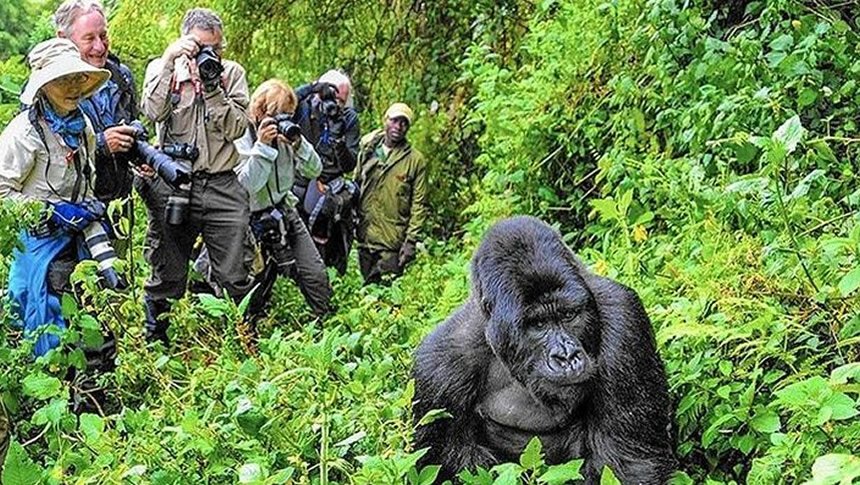
The forest provides habitat for numerous forest birds and Albertine Rift species. For birders, a visit to Bwindi can therefore combine two extraordinary experiences: searching for rare forest birds and trekking through the rainforest to see mountain gorillas.
If you are planning Gorilla Trekking in Uganda, adding birdwatching to your itinerary can make your time in Bwindi even more rewarding.
Birding in Kibale Forest National Park
Kibale Forest National Park is often called the primate capital of the world because of its incredible population of chimpanzees and other primates. However, the forest is also an excellent destination for birdwatching.
Walking through the forest provides opportunities to observe colourful forest species while listening for calls high in the canopy.
Birdwatching in Kibale can easily be combined with chimpanzee tracking, making it an ideal destination for travellers who want to experience both Uganda’s primates and birdlife.
You can learn more about this experience through our Chimpanzee Tracking in Uganda safari options.
Murchison Falls National Park
Murchison Falls National Park combines spectacular scenery, wildlife, and excellent birdwatching opportunities.
The Nile River provides important habitat for waterbirds, while the park’s grasslands and woodlands attract many other species.
A boat cruise towards Murchison Falls is particularly enjoyable for birdwatchers because it provides opportunities to observe birds along the riverbanks while also seeing hippos, crocodiles, elephants, and other wildlife.
Murchison Falls is therefore a great option for travellers who want a traditional safari experience while keeping birdwatching as an important part of their journey.
Discover the Birds of Semuliki National Park
Semuliki National Park is one of Uganda’s most interesting destinations for serious birdwatchers.
Located in western Uganda, the park’s lowland rainforest has strong ecological connections with the forests of the Congo Basin. This gives Semuliki a different bird composition from many other Ugandan destinations.
For experienced birders searching for less common Central African species, Semuliki can provide a fascinating addition to a Uganda birding itinerary.
The park can also be combined with cultural experiences, nature walks, and other attractions in western Uganda.
Birding in Mabira Forest
Mabira Forest is another excellent option for travellers who want to experience Uganda’s forest birdlife without travelling far from Kampala.
The forest is home to a variety of birds, butterflies, monkeys, and other wildlife. Guided walks allow visitors to explore the forest while learning about its plants, ecosystems, and bird species.
Its convenient location makes Mabira Forest particularly suitable for short birdwatching trips, day excursions, or as part of a longer Uganda itinerary.
Birding Around Sipi Falls and Mount Elgon
Eastern Uganda offers another fascinating birding environment around Sipi Falls and Mount Elgon.
Mount Elgon National Park contains forests, montane habitats, cliffs, waterfalls, and other ecosystems that support different bird species.
Travellers can combine birdwatching with hiking, coffee experiences, waterfall visits, and cultural encounters with local communities.
This makes eastern Uganda a great choice for visitors who want their birding experience to include scenery and outdoor adventure as well.
When Is the Best Time for a Birding Safari in Uganda?
Uganda is a year-round birding destination, but different seasons offer different advantages.
The wetter months can be particularly rewarding because migratory birds are present and many resident species become highly active during breeding periods. The landscape is also lush and green, creating beautiful conditions for photography.
The drier months generally provide easier access to trails and roads, making them convenient for travellers who want to combine birdwatching with traditional wildlife safaris.
The best time ultimately depends on the species you want to see and the other activities you want to include in your itinerary.
What Should You Bring on a Birding Safari?
A good pair of binoculars is one of the most important items to pack. A camera with a suitable telephoto lens is also useful if you want to photograph birds.
Comfortable walking shoes, lightweight clothing, a waterproof jacket, sunscreen, insect repellent, a notebook, and a bird identification guide can also make your experience more enjoyable.
Most importantly, travelling with an experienced birding guide can make a significant difference. Local guides understand bird calls, habitats, seasonal movements, and where particular species are most likely to be found.
Combine Birdwatching with a Uganda Safari
One of the biggest advantages of choosing Uganda for birdwatching is the ability to combine birding with other unforgettable experiences.
Your itinerary could include birdwatching around Entebbe and Mabamba Swamp, wildlife viewing in Murchison Falls or Queen Elizabeth National Park, chimpanzee tracking in Kibale, and gorilla trekking in Bwindi.
You could also add cultural experiences, Jinja adventures, Sipi Falls, coffee tours, or relaxing stays around Lake Bunyonyi.
This flexibility makes Uganda an excellent destination for travellers who want more than a traditional birding holiday.
Why Book Your Birding Safari with Menlyn Tours & Travel?
At Menlyn Tours & Travel, we create tailor-made Uganda safari experiences based on what you want to see and experience.
Whether your main goal is to photograph the Shoebill, search for Albertine Rift species, explore Uganda’s forests, or combine birdwatching with gorilla trekking and wildlife safaris, we can help design an itinerary around your interests.
We can arrange accommodation, transportation, safari guides, park activities, airport transfers, and other travel services so that your journey is comfortable and well organised.
Our team can also help you choose destinations based on your travel dates, budget, preferred activities, and birding interests.
Plan Your Uganda Birding Safari
Uganda’s incredible bird diversity makes it one of Africa’s most exciting destinations for birdwatchers. From the papyrus wetlands of Mabamba to the forests of Bwindi, Kibale and Semuliki, every destination offers a different birding experience.
And the best part is that your birding adventure does not have to be separate from your safari. You can combine birdwatching with gorilla trekking, chimpanzee tracking, wildlife viewing, cultural experiences, and beautiful landscapes.
Ready to explore Uganda’s incredible birdlife? Book your birding safari with Menlyn Tours & Travel and let us create a personalised itinerary for you.
You can visit our website to explore our Uganda safari packages or email info@menlyntours.com for a personalised quotation. You can also call +256 704 318 331 or +256 766 009 702 to start planning your trip.
Frequently Asked Questions
How many bird species are found in Uganda?
Uganda has more than 1,000 recorded bird species, making it one of Africa’s leading birdwatching destinations.
Where is the best place to see the Shoebill in Uganda?
Mabamba Swamp near Entebbe is one of the best-known places to search for the Shoebill. Guided canoe trips provide an excellent way to explore the wetland.
Can I combine birding with gorilla trekking?
Yes. Birdwatching can be combined with gorilla trekking in Bwindi or Mgahinga, creating a diverse itinerary that includes both birdlife and primates.
Is Uganda suitable for beginner birdwatchers?
Absolutely. Uganda is suitable for both beginners and experienced birders. An experienced local guide can help beginners identify species and understand bird calls and habitats.
How long should a Uganda birding safari be?
The ideal duration depends on your interests. A short trip can focus on destinations around Entebbe and Kampala, while a longer itinerary can include Bwindi, Kibale, Queen Elizabeth, Murchison Falls, and other major birding locations.
What is the best bird to see in Uganda?
The Shoebill is one of Uganda’s most famous and sought-after birds, but the country offers many other remarkable species, including turacos, kingfishers, hornbills, sunbirds, storks, and Albertine Rift endemics.