- DIRECT CONTACTS:
- +256 766 009 702
- +256 772 166 444
- info@menlyntours.com

Gorilla Trekking in Uganda: Everything You Need to Know Before You Go
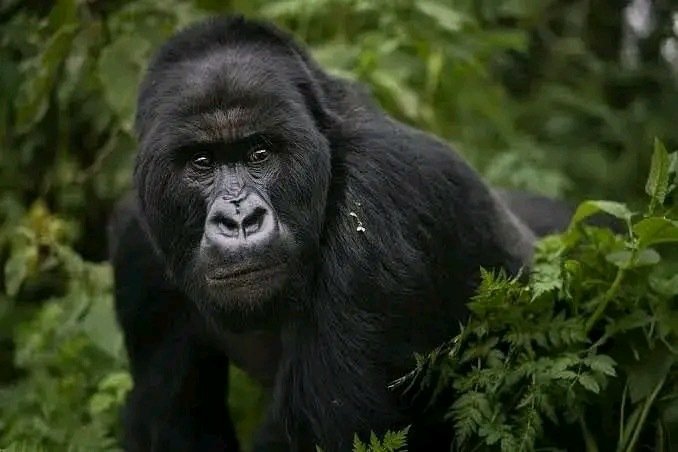
Few wildlife experiences leave a lasting impression quite like gorilla trekking in Uganda. It isn’t simply about seeing one of the world’s most endangered animals—it’s about stepping into an ancient rainforest, following experienced trackers through dense vegetation, and sharing a quiet hour with a family of mountain gorillas in their natural habitat. It’s an encounter that feels deeply personal and one that many travellers describe as the highlight of their African adventure.
Uganda is home to more than half of the world’s remaining mountain gorillas, making it one of the best places on Earth to experience this extraordinary activity. Every trek contributes directly to conservation efforts and supports the communities living around the protected forests, ensuring that tourism plays a vital role in safeguarding these remarkable primates for future generations.
Unlike a traditional game drive, gorilla trekking is unpredictable in the best possible way. No two treks are ever the same. One day, you might find a gorilla family feeding peacefully on a forest hillside after a relatively short walk. On another, you could spend several hours hiking through steep terrain before coming across a silverback calmly watching over his family. The anticipation is part of the experience, and the reward is an unforgettable hour spent observing behaviours that few people in the world ever get to witness firsthand.
Whether you’re planning a dedicated gorilla trekking holiday or including the experience as part of a longer Uganda safari, understanding how the trek works will help you make the most of your visit. From choosing the right trekking sector and securing your permit to knowing what to pack and when to travel, careful planning can make all the difference.
Where Can You Go Gorilla Trekking in Uganda?
Gorilla trekking in Uganda takes place in two protected national parks in the country’s southwest: Bwindi Impenetrable National Park and Mgahinga Gorilla National Park. While both parks offer the chance to see mountain gorillas in the wild, each provides a slightly different experience.
Bwindi Impenetrable National Park
Bwindi is Uganda’s premier gorilla trekking destination and one of the most biologically diverse forests in Africa. Recognised as a UNESCO World Heritage Site, the park protects an ancient rainforest that is estimated to be more than 25,000 years old. It is home to more than half of the world’s remaining mountain gorillas and has the largest number of habituated gorilla families available for tourism.
The park is divided into four trekking sectors: Buhoma, Ruhija, Rushaga, and Nkuringo. Each sector has its own gorilla families, accommodation options, and unique landscapes. Your gorilla permit is issued for a specific sector, so where you stay will depend on the permit you receive.
Buhoma is the oldest and most established sector, known for its excellent lodges and relatively accessible trails. Ruhija sits at a higher altitude and is popular with birdwatchers thanks to its rich variety of Albertine Rift endemic species. Rushaga offers the highest number of habituated gorilla families and is also home to the Gorilla Habituation Experience, while Nkuringo is known for its spectacular mountain scenery and more challenging trekking routes.
Mgahinga Gorilla National Park
Although much smaller than Bwindi, Mgahinga Gorilla National Park offers an equally memorable trekking experience. Located within the Virunga Mountain range, the park is characterised by volcanic landscapes, bamboo forests, and panoramic views stretching across Uganda, Rwanda, and the Democratic Republic of the Congo.
Mgahinga has one habituated gorilla family available for tourism, making it a quieter alternative for travellers seeking a more intimate experience. The park is also the only place in Uganda where visitors can track the endangered golden monkey, making it an excellent addition to a longer primate-focused safari.
For travellers who appreciate dramatic scenery and fewer crowds, Mgahinga is an outstanding choice.
Gorilla Trekking Permits: Everything You Need to Know
One of the first things you’ll need to arrange when planning a gorilla trekking holiday is your permit. Unlike many safari activities that can be booked on arrival, gorilla trekking is strictly controlled to protect the mountain gorillas and their fragile habitat. Every visitor must hold a valid permit issued by the Uganda Wildlife Authority (UWA), and without one, you won’t be allowed to join a trek.
Permit numbers are intentionally limited. Only eight visitors are allowed to visit each habituated gorilla family per day, helping minimise stress on the animals while ensuring every group enjoys a more intimate wildlife experience. This limited availability means permits often sell out months in advance, particularly during Uganda’s peak travel seasons.
As of 2026, a standard gorilla trekking permit costs USD 800 for foreign non-residents. Visitors who want a longer and more immersive experience can choose the Gorilla Habituation Experience, which allows up to four hours with a semi-habituated gorilla family. This special experience is available only in the Rushaga sector of Bwindi Impenetrable National Park and costs USD 1,800 per person.
Although it’s possible to arrange permits independently, most travellers choose to book through a licensed tour operator. This not only simplifies the reservation process but also allows your accommodation, transportation, and trekking permit to be coordinated into one seamless itinerary. At Menlyn Tours & Travel, we secure permits directly through the Uganda Wildlife Authority and build your safari around the confirmed trekking location, ensuring a smooth and stress-free experience.
How Far in Advance Should You Book?
If you’re travelling during the dry seasons—from June to September or December to February—it’s advisable to book your gorilla permit at least three to six months before your intended travel dates. These months are the most popular because the trails are generally drier and wildlife viewing across Uganda’s national parks is at its best.
Travellers visiting during the rainy seasons often have more flexibility, but waiting until the last minute is still risky, especially if you have specific travel dates or prefer a particular trekking sector. Since gorilla permits are tied to individual sectors within Bwindi, early booking also increases your chances of staying at your preferred lodge.
What Happens on the Day of the Trek?
Your day begins early, usually before sunrise, with breakfast at your lodge before transferring to the park headquarters for registration and a briefing by Uganda Wildlife Authority rangers.
During the briefing, you’ll learn about gorilla behaviour, trekking etiquette, and the conservation efforts that protect these remarkable primates. Rangers also explain the safety guidelines and assign visitors to different gorilla families based on factors such as age, fitness level, and group size.
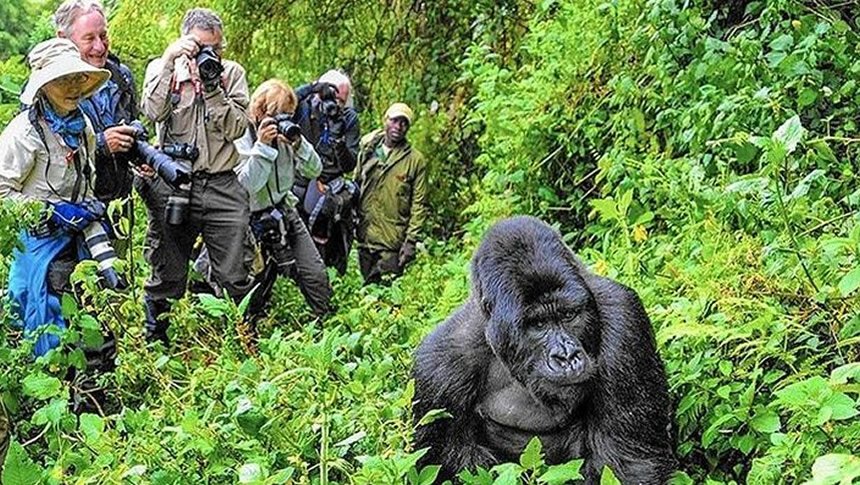
Once the briefing is complete, your group heads into the forest accompanied by experienced ranger guides and trackers. While the guides lead the hike, trackers move ahead to locate the gorillas using their knowledge of the forest and the gorillas’ movements from the previous day.
The trek itself can last anywhere from 30 minutes to six hours or more. There is no fixed route because the gorillas roam freely through the forest. Some families remain close to the trail, while others travel deeper into the mountains, making every trek unique.
When the gorillas are finally located, your guide will ask everyone to leave walking sticks and large backpacks at a safe distance before approaching quietly.
From that moment, you’ll have one unforgettable hour to observe the gorillas as they feed, play, groom one another, and interact naturally within their family group.
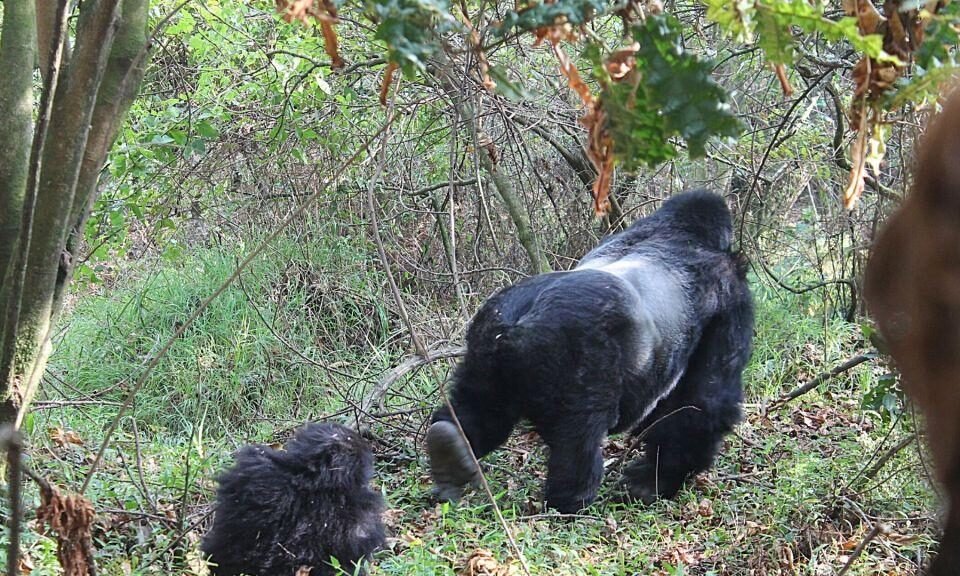
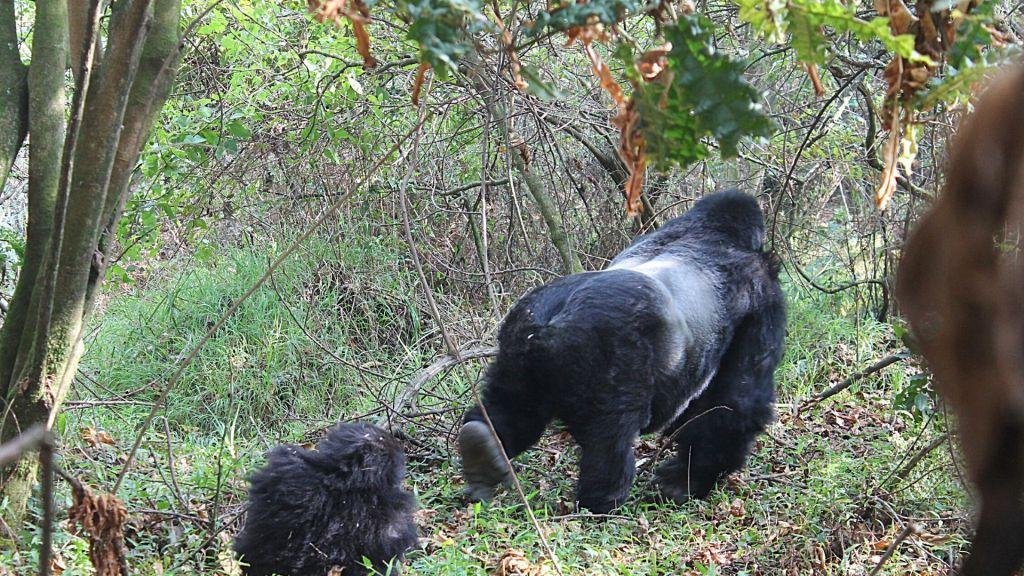
For many visitors, this hour passes surprisingly quickly. Watching a playful infant swing through the vegetation or seeing a massive silverback calmly watching over his family creates memories that last a lifetime.
How Difficult Is Gorilla Trekking?
This is one of the questions we receive most often.
The honest answer is that gorilla trekking can be physically demanding, but it is achievable for most people with a reasonable level of fitness.
The terrain varies depending on the location of the gorilla family. You may walk through muddy forest trails, climb steep hillsides, cross small streams, or navigate dense vegetation. Some treks are completed within an hour, while others require several hours of hiking over uneven ground.
If you have concerns about your fitness, it’s important to let your tour operator know before your trek. Rangers do their best to allocate visitors to gorilla families that match their physical ability whenever possible.
Hiring a local porter is also highly recommended. For a small fee, porters carry your backpack, assist you on steep sections, and provide valuable support throughout the hike. Beyond making the trek easier, hiring a porter also helps support local communities that benefit directly from gorilla tourism.
Many travellers are surprised to discover that the challenge of the hike makes the encounter even more rewarding. Reaching the gorillas after walking through one of Africa’s oldest rainforests creates a genuine sense of achievement that simply can’t be experienced from a safari vehicle.
Gorilla Trekking Rules and Etiquette
Mountain gorillas share around 98% of their DNA with humans, making them highly susceptible to many of the illnesses that affect us. For that reason, gorilla trekking is carefully managed, and every visitor is expected to follow strict guidelines designed to protect these endangered primates.
Before entering the forest, Uganda Wildlife Authority rangers will explain the rules in detail. Visitors must be at least 15 years old to participate in gorilla trekking, and anyone who is feeling unwell with symptoms such as a cold, flu, or fever should report this before the trek begins. Although it can be disappointing to miss the experience, staying away when you’re sick helps protect the gorillas from potentially life-threatening diseases.
Once you reach the gorilla family, you’ll be asked to maintain a minimum distance of 10 metres, avoid sudden movements, and keep noise to a minimum. Flash photography is not permitted, and eating or drinking near the gorillas is prohibited. If a gorilla approaches you—which occasionally happens—the best response is to remain calm and follow your ranger’s instructions.
These guidelines aren’t there to reduce your experience; they’re there to ensure that future generations can enjoy the same incredible encounter while protecting one of the world’s rarest animals.
What Should You Pack for Gorilla Trekking?
Preparing properly will make your trek far more comfortable, regardless of the season.
A good pair of waterproof hiking boots with strong grip is essential, as the forest trails can be muddy and slippery even during the dry months. Long trousers and a lightweight long-sleeved shirt help protect against scratches, stinging plants, and insects, while a waterproof rain jacket is recommended throughout the year because rain showers can occur without much warning.
Gardening or trekking gloves are useful when holding onto branches during steeper sections of the hike, and gaiters can help keep mud and debris out of your boots.
A small daypack is ideal for carrying drinking water, energy snacks, sunscreen, insect repellent, and any personal medication. Don’t forget a camera with extra batteries or memory cards—although no photograph can fully capture the moment, you’ll certainly want to document the experience.
Many visitors also choose to bring binoculars, as the forests are home to colourful birdlife and several monkey species that are often seen during the trek.
When Is the Best Time to Go Gorilla Trekking?
One of Uganda’s greatest advantages is that gorilla trekking is possible throughout the year. Because the country lies close to the equator, temperatures remain relatively consistent, with seasonal rainfall having a greater influence than temperature itself.
The dry seasons, from June to September and December to February, are generally considered the best times to visit. Forest trails are usually less muddy, hiking conditions are more comfortable, and these months also coincide with excellent wildlife viewing in Uganda’s savannah national parks.
However, travelling during the rainy seasons—from March to May and October to November—has its own advantages. The forests are lush and vibrant, visitor numbers are lower, and there is often greater availability for gorilla permits and accommodation. While trekking can be more challenging due to muddy trails, many experienced travellers enjoy the quieter atmosphere and beautiful scenery that comes with the rains.
Ultimately, there is no bad time to go gorilla trekking. The best time depends on your travel dates, budget, and whether you plan to combine gorilla trekking with other safari experiences across Uganda.
Why Gorilla Tourism Matters
Gorilla trekking is much more than a once-in-a-lifetime adventure—it plays a vital role in protecting one of the world’s most endangered species.
Revenue generated from gorilla permits helps fund conservation programmes, anti-poaching patrols, scientific research, and the day-to-day management of Uganda’s national parks. A portion of these funds is also shared with neighbouring communities, supporting schools, healthcare facilities, infrastructure projects, and local businesses.
This conservation model has transformed mountain gorillas into one of Africa’s greatest wildlife success stories. As local communities benefit directly from tourism, they become active partners in protecting the forests and wildlife that attract visitors from around the world.
When you book a gorilla trekking safari through a licensed Ugandan tour operator, you’re not only investing in an unforgettable travel experience—you’re also contributing to the long-term survival of these extraordinary animals.
Final Thoughts
Gorilla trekking is one of those rare experiences that lives up to every expectation. It’s physically rewarding, emotionally moving, and unlike anything else you’ll encounter on a traditional African safari.
Whether you’re watching a silverback quietly surveying his family, seeing young gorillas play beneath the forest canopy, or simply standing in silence as the rainforest comes alive around you, the memories stay with you long after you’ve returned home.
Combined with Uganda’s spectacular wildlife, welcoming people, and diverse landscapes, gorilla trekking becomes more than just another holiday activity—it becomes the centrepiece of an unforgettable journey through the Pearl of Africa.
If you’re planning your first gorilla trekking adventure, taking the time to choose the right itinerary, secure your permits early, and travel with an experienced tour operator will ensure you enjoy the very best that Uganda has to offer.
Plan Your Gorilla Trekking Adventure with Menlyn Tours & Travel
Ready to experience one of the world’s greatest wildlife encounters? At Menlyn Tours & Travel, we specialise in tailor-made gorilla trekking safaris that combine unforgettable wildlife experiences with comfortable accommodation, professional guides, and seamless travel planning.
Whether you’re looking for a short gorilla trekking getaway or a longer safari that includes Queen Elizabeth National Park, Murchison Falls National Park, Kibale Forest, or Lake Bunyonyi, we’ll help you create an itinerary that matches your interests, schedule, and budget.
Contact us today to start planning your Uganda gorilla trekking safari.