- DIRECT CONTACTS:
- +256 766 009 702
- +256 772 166 444
- info@menlyntours.com

Photography Tips for a Uganda Safari
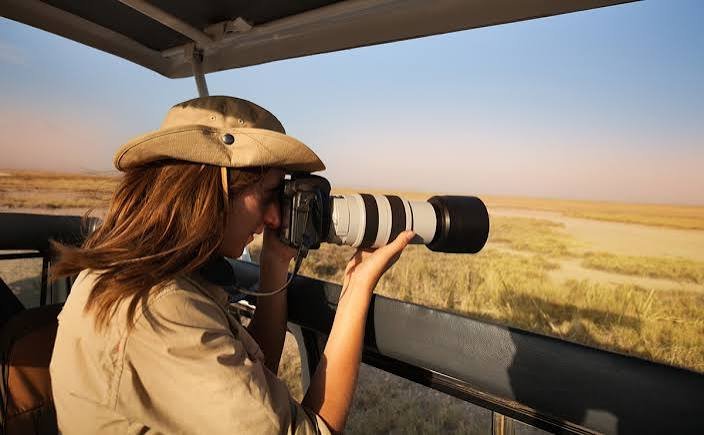
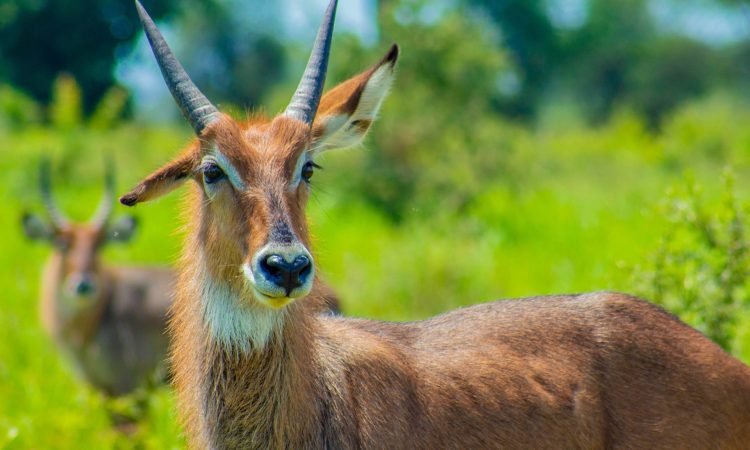
Photography Tips for a Uganda Safari. A Uganda safari gives you many opportunities to capture beautiful photographs. From elephants and lions on the savannah to mountain gorillas in Bwindi Impenetrable National Park, Uganda offers incredible moments for both professional photographers and travelers using a smartphone.
You do not need expensive equipment to take great safari photos. With the right preparation, patience, and a few simple photography tips, you can return home with memorable pictures of your Uganda adventure.
Choose the Right Camera or Phone
A good camera can give you more control, especially when photographing wildlife from a distance. A camera with a zoom or telephoto lens is useful for animals that cannot be approached closely.
If you are using a smartphone, make sure the camera lens is clean and use the highest-quality setting available. Modern smartphones can take excellent safari photographs, especially in good lighting.
Use the Right Camera Settings
Wildlife can move quickly, so a fast shutter speed can help you capture sharp photographs. If your camera allows manual settings, consider using a higher shutter speed when photographing moving animals.
Continuous or burst shooting can also help you capture the perfect moment, especially when an animal is walking, running, or interacting with another animal.
If you are using a phone, tap on the animal you want to photograph to help the camera focus on your subject.
Make the Most of Early Morning and Evening
Early morning and late afternoon usually provide beautiful natural light for photography. The softer light can create warmer colors and reduce harsh shadows.
These times can also be excellent for wildlife viewing, as many animals are active during the cooler parts of the day.
During your game drive, keep your camera ready because wildlife encounters can happen unexpectedly.
Be Patient
Great wildlife photography often requires patience. Instead of taking hundreds of random photographs, watch the animal and wait for an interesting moment.
An elephant raising its trunk, a lion looking directly toward your vehicle, or a giraffe walking across the savannah can create much stronger photographs than simply photographing an animal standing still.
Your safari guide can also help you understand animal behavior and find good opportunities for photography.
Take More Than Close-Up Photos
Do not focus only on getting close-up pictures of animals. Take some wider photographs that show the animal within its environment.
A giraffe surrounded by trees, elephants crossing the savannah, or a lion resting beneath a tree can tell a better story about your safari experience.
Remember to photograph the landscapes, local communities, roads, lodges, and other moments from your journey as well.
Keep Your Camera Ready During Game Drives
Wildlife sightings can happen quickly. Keep your camera within easy reach during game drives instead of storing it deep inside your bag.
Carry extra batteries or a power bank and make sure you have enough storage space for your photographs and videos.
If you are using a camera with interchangeable lenses, choose your lens before an activity when possible so you do not miss an important moment while changing equipment.
Photography During Gorilla Trekking
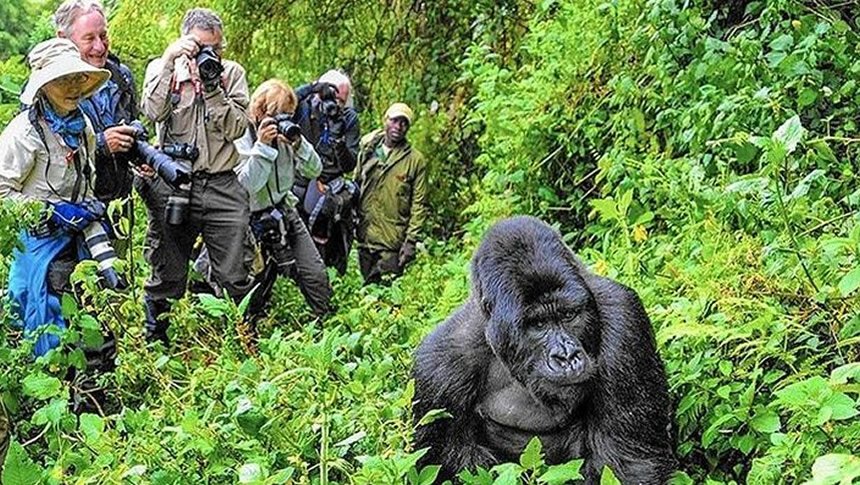
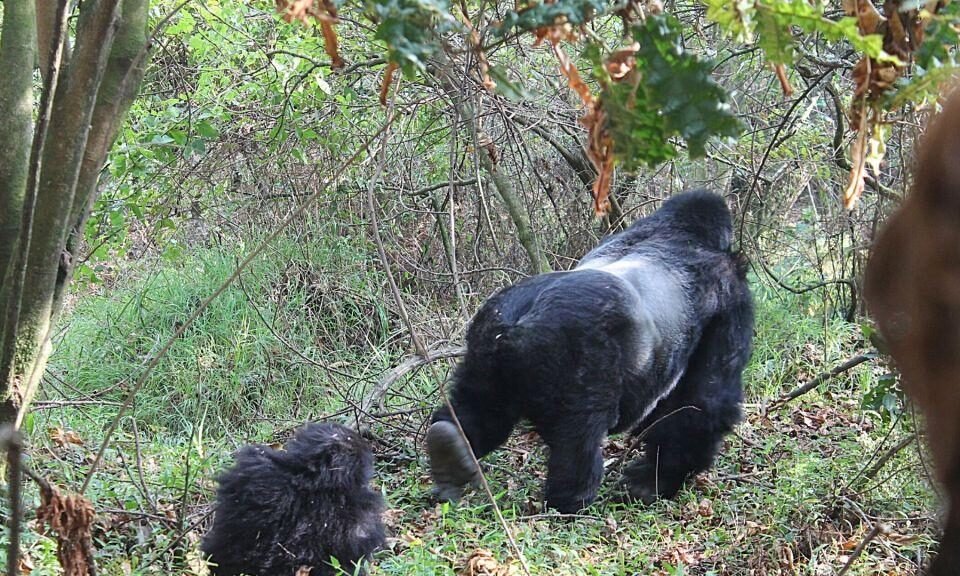
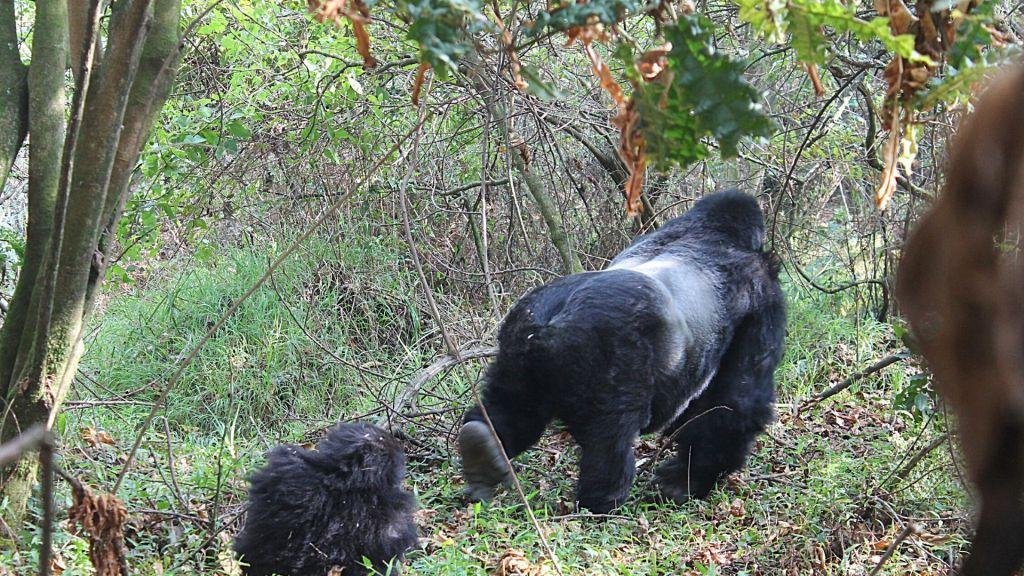
Gorilla trekking in Bwindi is a special photography experience, but it is important to follow the instructions of your guides and rangers.
Avoid using flash photography around the gorillas. Keep a respectful distance and follow all wildlife guidelines given during the trek.
A lightweight camera or smartphone can be useful because gorilla trekking can involve walking through steep and sometimes muddy forest terrain.
Focus on capturing natural moments rather than constantly taking photographs. Put your camera down occasionally and enjoy the experience.
Protect Your Equipment
Uganda’s safari environments can be dusty, wet, and unpredictable. Protect your camera and other equipment when traveling between destinations.
A simple camera bag, waterproof cover, extra memory cards, and cleaning cloth can be useful. If you are trekking in the rainforest, a waterproof bag or cover is especially helpful.
Keep your equipment secure when moving around in the safari vehicle and follow your guide’s instructions.
Respect Wildlife and Local Communities
Good safari photography starts with respect.
Never ask your guide to drive too close to an animal just to get a better photograph. Do not disturb wildlife for a picture, and never use food or other methods to attract animals.
When photographing local people or communities, ask for permission first. Respecting people, wildlife, and the environment helps make tourism more responsible and enjoyable for everyone.
Enjoy the Experience
It is easy to spend an entire safari looking through a camera. Remember to put the camera down sometimes and enjoy what is happening around you.
The sounds of the forest, the sight of elephants crossing the road, a boat cruise on the Nile, or your first view of a mountain gorilla are experiences you will remember even without a photograph.
Take pictures, but also take time to experience Uganda.
Final Thoughts
You do not need professional photography equipment to capture beautiful memories on a Uganda safari. Prepare your camera or phone, make use of natural light, be patient, and always respect wildlife and local communities.
From the savannahs of Queen Elizabeth National Park and Murchison Falls National Park to the forests of Bwindi, Uganda offers countless opportunities for memorable photographs.
Planning your Uganda safari?
Get in touch with Menlyn Tours & Travel and let us help you plan your wildlife, gorilla trekking, and cultural adventure in Uganda.