- DIRECT CONTACTS:
- +256 766 009 702
- +256 772 166 444
- info@menlyntours.com

Responsible Tourism in Uganda: Help Local Communities
Responsible tourism in Uganda is about enjoying the country’s attractions while respecting its people, culture and environment. Tourists can explore national parks, visit cultural sites and meet local communities while making choices that benefit the people who live in the places they visit.
Uganda offers many travel experiences, from wildlife safaris and gorilla trekking to cultural visits and nature walks. These activities can create opportunities for local guides, artisans, farmers, drivers and small business owners.
However, tourism benefits communities most when visitors make thoughtful choices. By spending locally, respecting cultural traditions and protecting nature, you can help make your trip more meaningful.
What Is Responsible Tourism?
Responsible tourism means travelling in a way that reduces harm and creates positive benefits for local people and the environment.
It involves respecting local customs, protecting wildlife, reducing waste and supporting businesses that treat people fairly. It also means learning about the places you visit instead of treating them only as holiday destinations.
In Uganda, responsible tourism can include choosing local guides, buying handmade products, following national park rules and visiting community projects with respect.
Every traveler can make a difference. Even small decisions can help support local livelihoods and protect Uganda’s cultural and natural heritage.
1. Support Local Businesses
One of the simplest ways to practise responsible tourism in Uganda is to spend money with local businesses.
Choose locally owned restaurants, shops, accommodation providers and tour operators where they suit your needs. You can also buy refreshments from local businesses during your journey and use local transport providers when appropriate.
Your spending can help support families and create demand for local services. It may also help small businesses continue operating and employing people from their communities.
Before making a purchase, ask questions if you are unsure about a product or service. Choosing a local business is most helpful when the service is safe, fairly priced and professionally managed.
2. Buy Handmade Products from Local Artisans
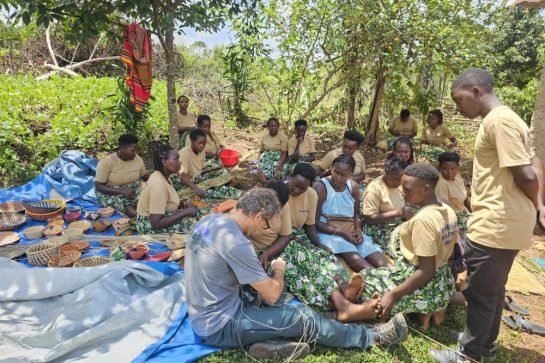
Uganda has skilled artisans who create baskets, jewellery, pottery, textiles, wood carvings and other handmade products. Buying directly from makers, where possible, helps you understand the work behind each item.
A handmade souvenir can also support traditional skills that have been passed down through generations.
When shopping, ask where a product was made and who made it. This helps you distinguish locally produced crafts from imported goods that may simply be marketed as traditional.
Bargaining may be common in some markets, but do it respectfully. Remember that handmade items require time, materials and skill.
3. Hire Local Guides
Local guides can help you understand the history, wildlife, traditions and daily life of the places you visit.
They often know details that you may not discover by exploring alone. A knowledgeable guide can explain local customs, point out interesting features and help you interact respectfully with the community.
Hiring a local guide can also create income opportunities for people who live near tourist attractions.
During a Uganda safari, ask whether your itinerary can include a guided community visit or cultural activity. Choose experiences that are organised with the community and provide clear benefits to local participants.
4. Respect Local Culture and Traditions
Every community has its own customs, values and ways of life. Responsible tourism means approaching these differences with curiosity and respect.
Learn a few basic greetings, dress appropriately for the place you are visiting and listen carefully when your guide explains local expectations. Some cultural or religious sites may have specific rules for visitors.
Always ask permission before taking photographs of people, homes or private activities. A person should be free to decline without feeling pressured.
When attending a cultural performance or visiting a traditional site, remember that you are a guest. Respectful behaviour helps create a positive experience for both visitors and hosts.
5. Choose Community-Based Tourism Experiences
Community-based tourism gives visitors opportunities to learn from local people through activities organised with community participation.
Depending on the destination, these experiences may include traditional cooking, craft demonstrations, guided village walks, storytelling, music or dance.
Such activities can provide income for local hosts while allowing travelers to learn about the community’s way of life.
Before booking, ask who organises the experience, who receives the payment and whether the community has agreed to host visitors. Choose activities that respect residents’ privacy and allow them to decide how their culture is shared.
You can include cultural experiences in your Uganda itinerary alongside wildlife viewing and nature activities.
6. Protect Wildlife and Natural Habitats
Uganda’s wildlife and natural landscapes are important to both tourism and conservation. Responsible travelers should follow the rules designed to protect animals, plants and their habitats.
During game drives, remain inside the vehicle where required and follow your guide’s instructions. Keep a respectful distance from wildlife and never attempt to touch, feed or chase animals.
During gorilla trekking and chimpanzee tracking, follow the guidance of park staff and keep to the applicable wildlife viewing rules. Avoid flash photography where prohibited, and never leave litter in the forest.
Choose wildlife experiences that follow recognised conservation rules. Respecting animals helps protect the natural attractions that support tourism and nearby livelihoods.
7. Reduce Plastic Waste and Save Resources
Travelers can help protect Uganda’s environment by reducing unnecessary waste during their trips.
Carry a reusable water bottle where safe refilling is available, use a reusable shopping bag and avoid disposable packaging when practical. Always dispose of rubbish in the correct place.
You can also conserve water and electricity at your accommodation. Turn off lights and air conditioning when they are not needed, and use towels more than once if you are comfortable doing so.
These actions may seem small, but they can help reduce the environmental impact of tourism when many visitors practise them.
8. Eat Local Food and Learn About Ugandan Cuisine
Trying local food is a simple way to connect with the culture of a destination. Uganda has a wide range of dishes prepared using ingredients such as bananas, beans, groundnuts, cassava, sweet potatoes and vegetables.
When appropriate, choose local restaurants or food experiences that follow good hygiene practices. You can ask your guide to recommend places where you can try traditional dishes.
Spending at local food businesses may support cooks, farmers, suppliers and other workers in the food chain.
Be open to learning about how meals are prepared and when particular foods are commonly eaten. Food can tell you a great deal about a community’s traditions and daily life.
9. Give Responsibly When Supporting Community Projects
Some travelers want to donate money, school supplies or other items when visiting communities. While these gestures may come from good intentions, it is important to consider what the community actually needs.
If you wish to contribute, look for established projects with clear goals and transparent ways of working. Ask your tour operator or local host for guidance before bringing donations.
Avoid distributing money or gifts to children during sightseeing. This can create expectations around tourists and may encourage children to approach visitors for handouts.
Where possible, support community-led initiatives that involve local people in decisions about their needs and priorities.
10. Choose Tour Operators That Value Responsible Tourism
The choices made before your trip can influence how tourism benefits local communities.
Ask tour operators how they work with local guides, accommodation providers, drivers, artisans and community projects. You can also ask how they approach wildlife protection, waste management and respectful cultural visits.
A responsible itinerary should consider more than the attractions you will see. It should also consider the people you meet and the impact of your visit.
When planning your Uganda safari packages, look for experiences that are well organised, respect local communities and follow conservation guidelines.
Why Responsible Tourism Matters in Uganda
Responsible tourism can help create income opportunities, support local businesses and encourage the continuation of traditional skills. It can also help protect natural areas that are important to wildlife and the people who depend on them.
However, these benefits are not automatic. They depend on how tourism is organised, how businesses operate and whether communities have a meaningful role in tourism activities.
Travelers can contribute by asking questions, making informed choices and treating local people with respect. These actions help encourage tourism that considers both visitors and the communities they visit.
Plan a More Responsible Trip to Uganda
A memorable trip is not only about the places you see. It is also about the people you meet, the lessons you learn and the choices you make along the way.
By supporting local businesses, choosing community-led experiences, respecting traditions and protecting wildlife, you can help make tourism more beneficial for Uganda’s communities.
Menlyn Tours & Travel can help you plan a trip that combines Uganda’s wildlife, landscapes and cultural experiences. Get in touch with us to discuss your itinerary and the experiences you would like to include.