- DIRECT CONTACTS:
- +256 766 009 702
- +256 772 166 444
- info@menlyntours.com

Traditional Crafts in Uganda: What Travelers Can Discover
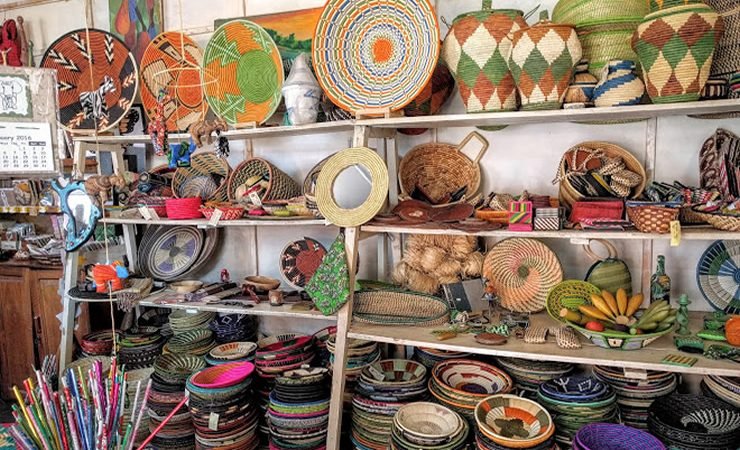
Traditional crafts in Uganda are an important part of the country’s cultural heritage. Across Uganda, skilled artisans use local materials and traditional techniques to create beautiful and useful products. These crafts reflect the creativity, knowledge and traditions of different communities.
For travelers, discovering traditional crafts in Uganda is a chance to learn about local culture beyond wildlife safaris and national parks. You can meet artisans, learn how handmade products are created and find unique souvenirs to take home.
Whether you are visiting Kampala or exploring different regions of the country, traditional crafts can add a meaningful cultural experience to your trip.
1. Basket Weaving in Uganda
Basket weaving is one of the traditional crafts in Uganda that visitors may discover during cultural tours and community visits.
Artisans use materials such as reeds, grasses and other plant fibres to create baskets in different shapes, sizes and patterns. Some baskets are used for storage and everyday activities, while others are made as decorative pieces or gifts.
Watching a basket maker work can help you appreciate the patience and skill involved. You can ask how the materials are prepared, how the patterns are created and how long it takes to complete a basket.
If you want to buy a handmade souvenir, a locally made basket is a practical choice. It is also a way to support the artisan who created it.
2. Barkcloth Making: A Unique Ugandan Tradition
Barkcloth is one of Uganda’s best-known traditional crafts. It is closely associated with the Baganda people of central Uganda and has an important place in the country’s cultural heritage.
The process involves carefully removing the inner bark of the Mutuba tree and processing it into a soft, cloth-like material. The traditional method requires knowledge and skill passed down through generations.
Barkcloth has been used for cultural ceremonies and other important occasions. Today, artisans also use it to make items such as wall decorations, accessories and souvenirs.
UNESCO recognises barkcloth making in Uganda as Intangible Cultural Heritage. Travelers interested in traditional crafts in Uganda can learn more about this practice by visiting cultural centres or arranging an experience with knowledgeable local guides.
3. Traditional Pottery
Pottery is another craft visitors may discover when exploring Uganda’s cultural heritage. Artisans shape clay into useful objects using techniques that vary between makers and communities.
Traditional pottery can include cooking pots, storage vessels and decorative items. Depending on the location, visitors may have an opportunity to observe the process of shaping, drying and firing the clay.
A pottery demonstration can help you understand how everyday objects are made using locally available materials. It can also reveal how traditional skills continue to serve practical needs in modern life.
When visiting a pottery workshop, ask permission before taking photographs. If the artisan offers a hands-on activity, you may even get a chance to try shaping the clay yourself.
4. Wood Carving and Handmade Wooden Products
Wood carving is another craft travelers may encounter in Ugandan markets, workshops and cultural centres. Artisans transform wood into decorative objects, figures, utensils and other handmade products.
The designs and techniques can differ from one maker to another. Some products reflect cultural themes, while others are created for everyday use or home decoration.
Before purchasing a carved item, ask the seller where it was made and what materials were used. Choose products that are legally and responsibly sourced, especially when buying items made from natural materials.
Buying directly from an artisan, where possible, can also give you a better understanding of the work behind each piece.
5. Beadwork and Handmade Jewellery
Beadwork allows artisans to create colourful jewellery and accessories. These may include necklaces, bracelets, earrings and decorative items.
Some designs draw inspiration from local traditions, while others combine traditional techniques with modern styles. Colours, materials and patterns can vary depending on the artisan and the community.
When shopping for handmade jewellery, ask about the materials and the inspiration behind the design. This can help you understand the product and appreciate the creativity involved.
Beadwork is also a convenient souvenir for travelers because many pieces are small and easy to pack.
6. Textiles, Fabrics and Handmade Bags
Ugandan artisans also create clothing, bags, accessories and decorative products using fabrics and other materials. Some items feature contemporary designs, while others take inspiration from traditional patterns and local styles.
You may find handmade products in craft markets, small shops and cultural centres. These can include fabric bags, purses, table decorations and clothing accessories.
If you are looking for a useful souvenir, consider choosing an item that you can use after your trip. Ask the seller about the maker and the production process so that you know more about what you are buying.
Where Can Travelers Discover Traditional Crafts in Uganda?
Travelers can discover traditional crafts in Uganda in craft markets, cultural centres, artisan workshops and community tourism projects. The best place to visit depends on the type of craft you want to learn about and the route of your trip.
Kampala is a convenient starting point for visitors who want to explore local crafts before travelling to other parts of the country. A Kampala city tour can include time to discover local markets, handmade products and other cultural attractions, depending on the itinerary.
Outside the capital, travelers may find craft-making demonstrations through community visits and cultural experiences. It is best to arrange these visits in advance when possible, especially if you want to meet a particular artisan or observe a specific craft.
For official information about Uganda’s cultural attractions, visit the Uganda Tourism Board website.
Why Should You Buy Handmade Crafts in Uganda?
Buying handmade crafts can help support local artisans and small businesses. It can also encourage traditional skills to continue being practised and shared with younger generations.
However, not every product sold as traditional is necessarily made locally. Ask questions about where an item was produced and whether the seller is the maker or a reseller.
Choose products that reflect genuine craftsmanship and are made using responsibly sourced materials. Avoid purchasing items made from protected wildlife products or materials whose origin is unclear.
A thoughtful purchase can become a meaningful reminder of your visit while helping support the people who create these products.
How to Shop for Ugandan Crafts Respectfully
Shopping for traditional crafts should be an enjoyable part of your cultural experience. Take time to look at the products, ask questions and listen to the artisan’s explanation of the work.
In some markets, bargaining is common. If you choose to negotiate, do so respectfully. Remember that handmade products take time, effort and skill to produce.
Always ask before taking photographs of artisans or their workspaces. If you visit a community workshop, follow your guide’s advice and respect any rules shared by the people hosting you.
These simple actions help make your visit more respectful and rewarding.
Add Traditional Crafts to Your Uganda Safari
A trip to Uganda can offer much more than wildlife viewing. You can combine game drives, nature walks and other outdoor activities with opportunities to learn about local traditions and meet the people who keep them alive.
Exploring traditional crafts in Uganda gives you a closer look at the country’s creativity, history and everyday life. From barkcloth and basket weaving to pottery and handmade jewellery, each craft offers something different to discover.
Menlyn Tours & Travel can help you plan a Uganda itinerary that includes wildlife, nature and cultural experiences. Get in touch with us to discuss your travel plans and the activities you would like to include.